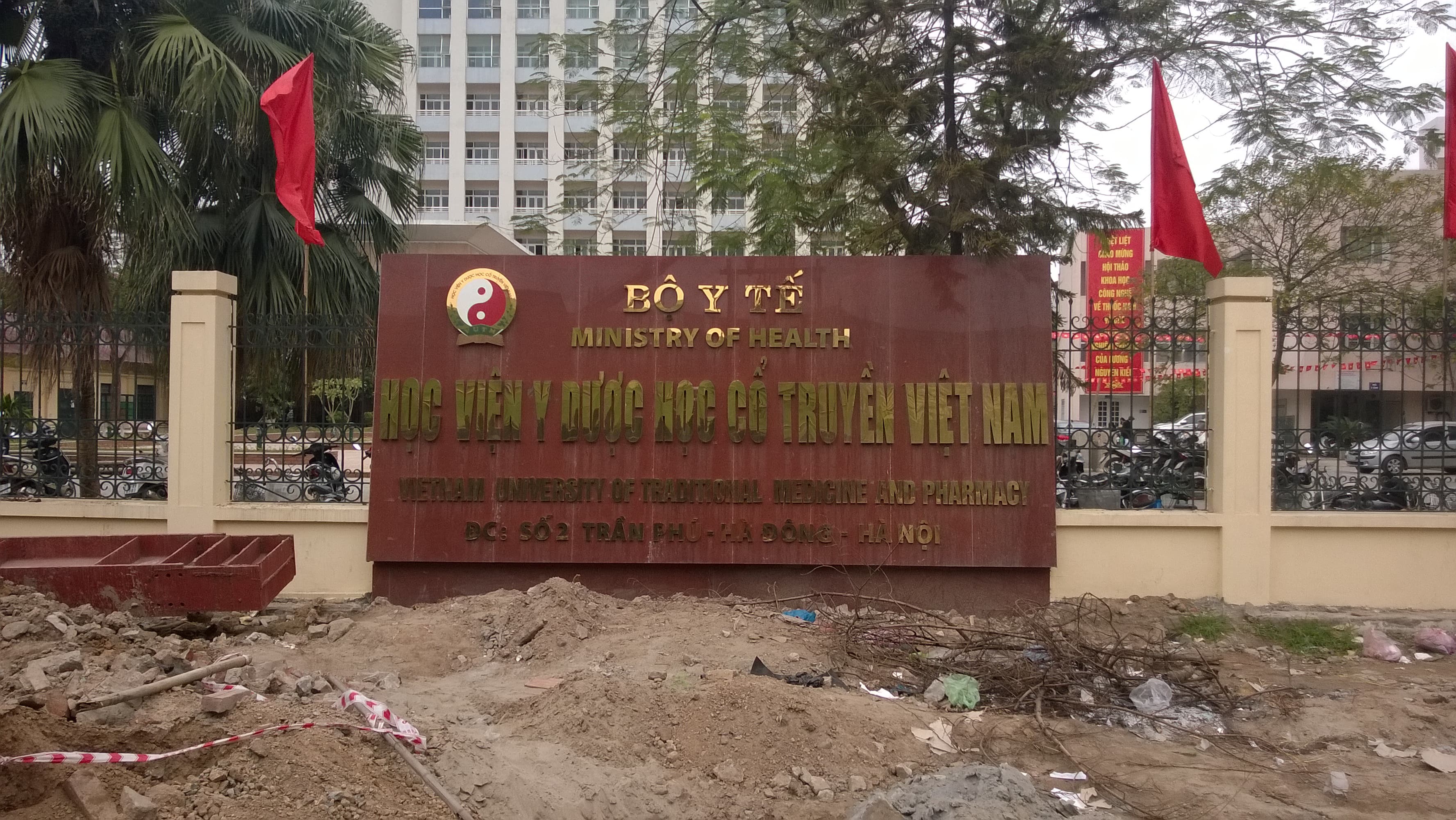
Vietnam's principal public institution for traditional medicine, established in 1964 in Hanoi. The university offers degree programs in traditional Vietnamese medicine alongside modern clinical medicine tracks. Students should confirm whether the offered program is MBBS-equivalent for NMC/FMGE purposes before enrolling.
$2,800
6 years
English + Local Support
September
Hanoi, Vietnam
Public
Vietnam's principal public institution for traditional medicine, established in 1964 in Hanoi. The university offers degree programs in traditional Vietnamese medicine alongside modern clinical medicine tracks. Students should confirm whether the offered program is MBBS-equivalent for NMC/FMGE purposes before enrolling.
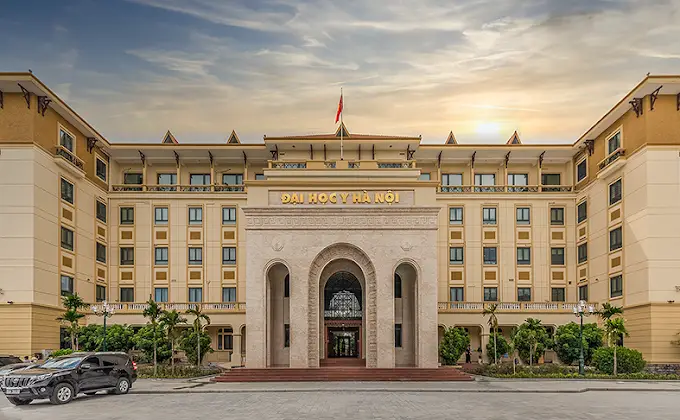
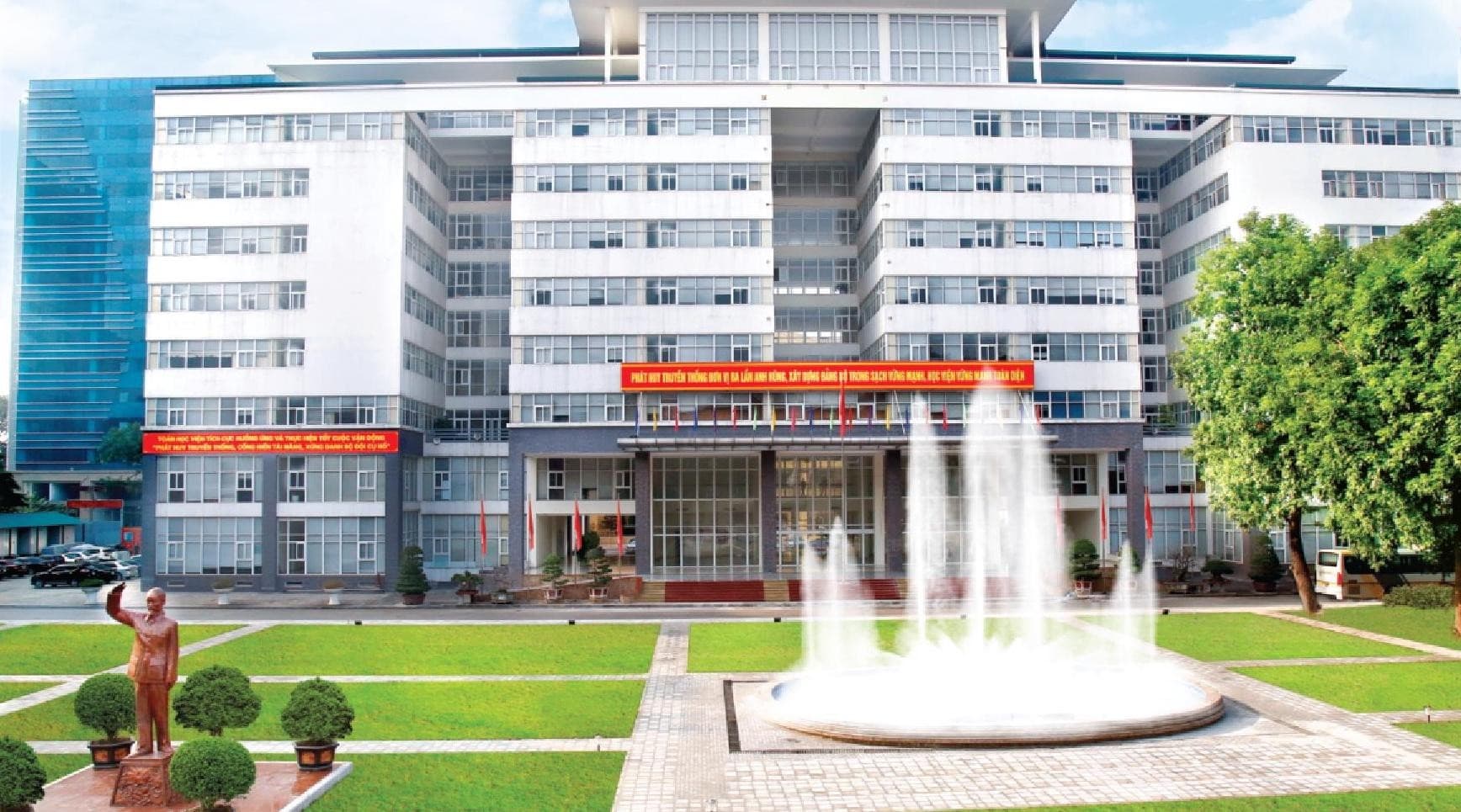
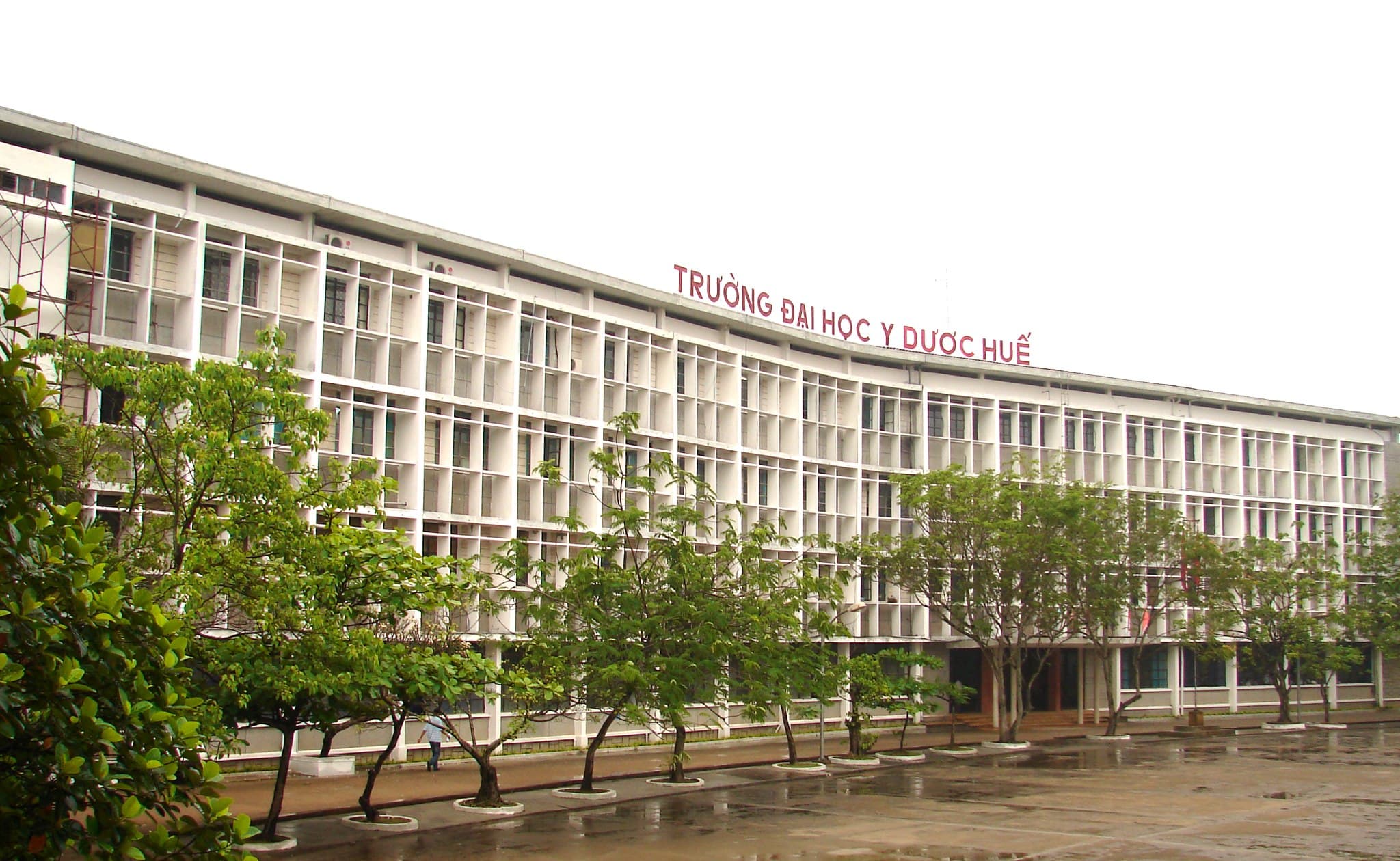
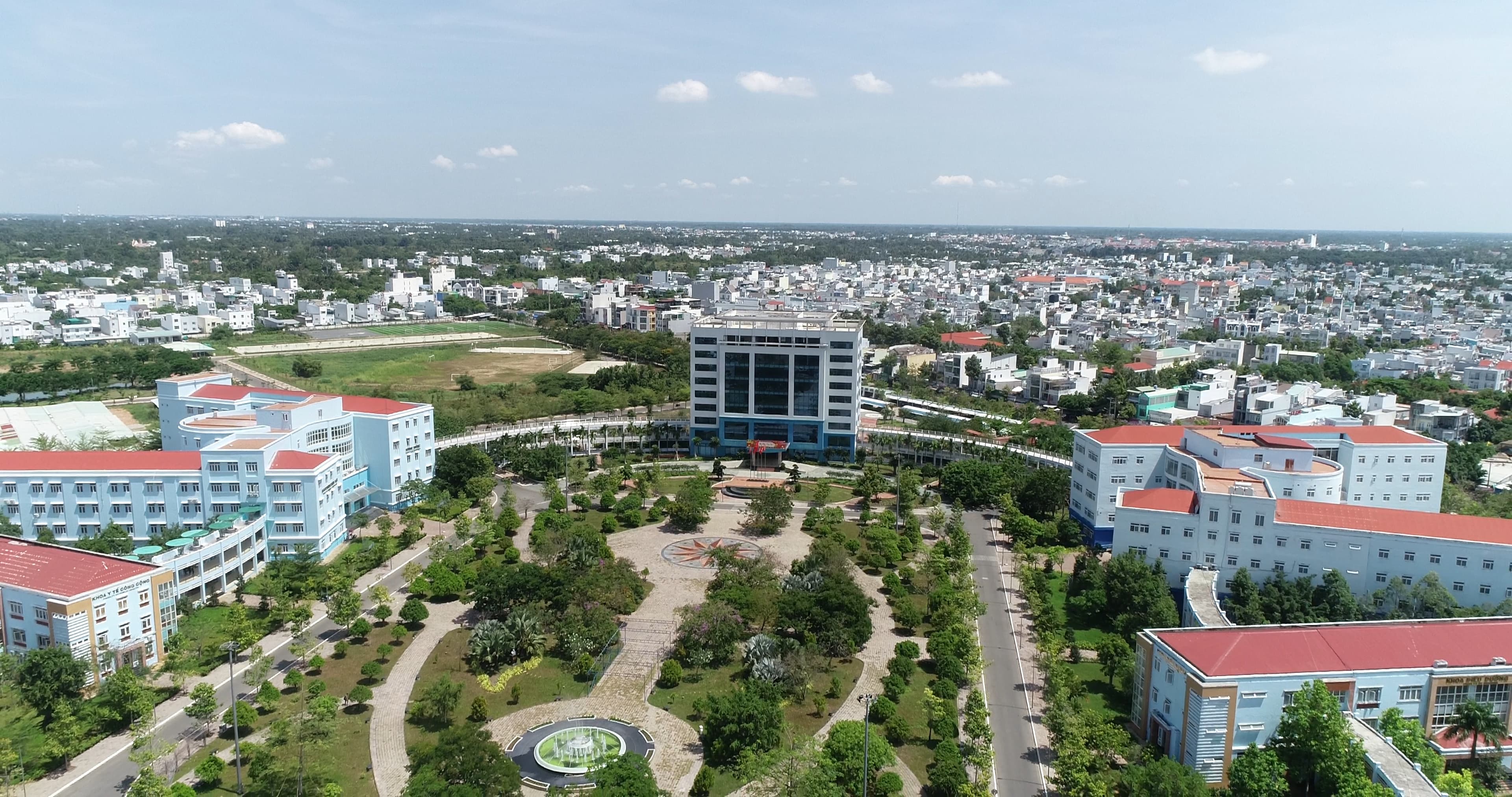
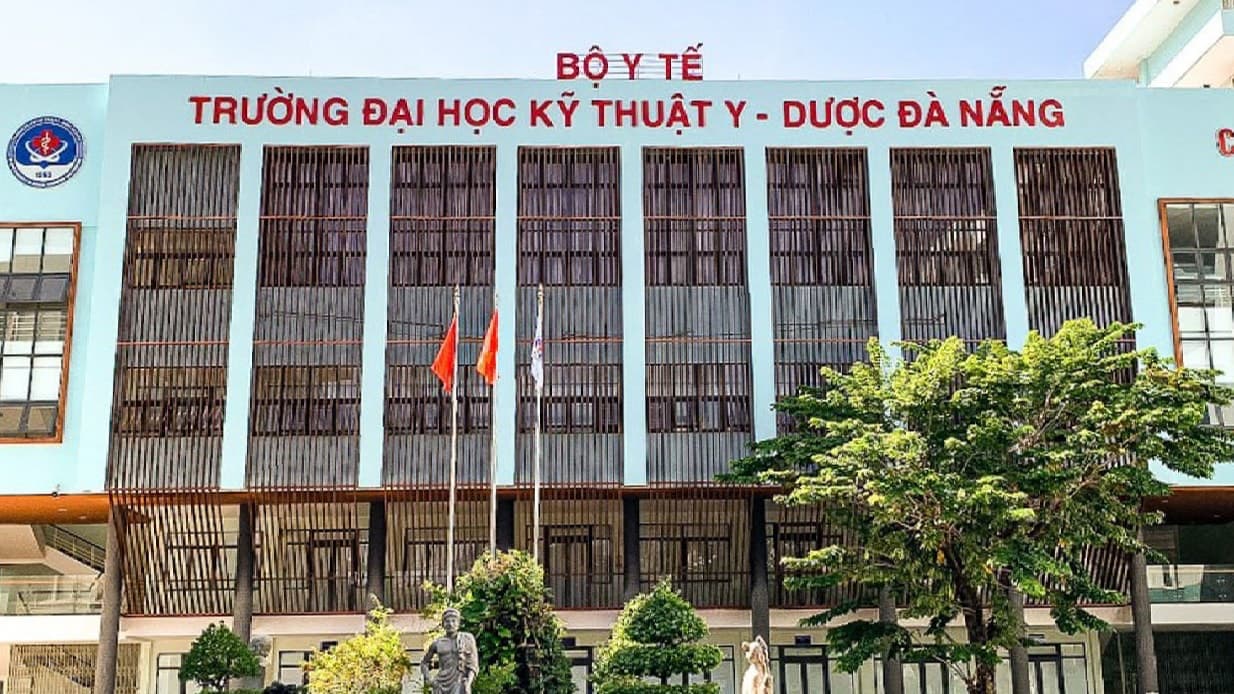
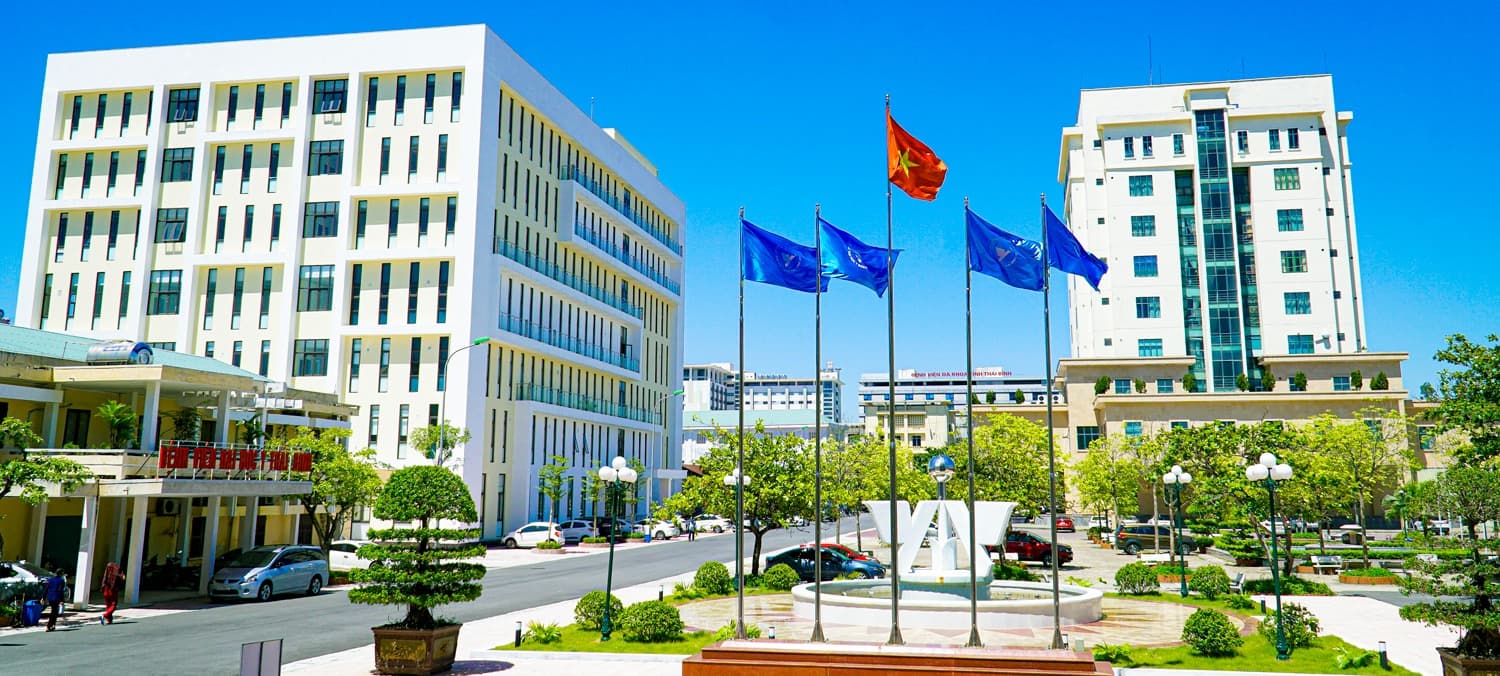
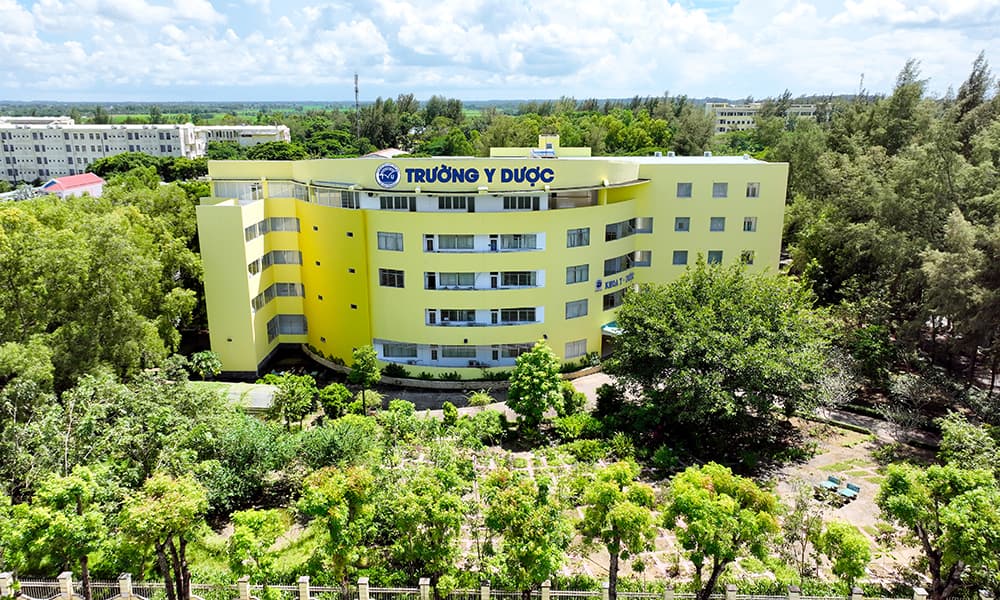
An academically focused Hanoi campus with a distinct identity centred on traditional medicine alongside modern clinical training. The environment is research-oriented and reflects Vietnam's strong integration of traditional and modern medical practice.
Doctor of Medicine (MBBS equivalent)
Doctor of Medicine (MBBS equivalent)
Doctor of Medicine (MBBS equivalent)
Teaching phases
Years 1–2
Foundational years blend traditional Vietnamese medicine with modern biomedical sciences; English-medium support availability should be confirmed.
Years 3–4
Rotations include both traditional medicine clinical environments and modern hospital settings in Hanoi.
Years 5–6
Senior clinical years integrate traditional and modern medicine practice in Hanoi's hospital ecosystem.
Year-wise cost breakdown
Tuition: $2,800/yr. Total 6-yr tuition: $16,800. Hostel (on-campus dorm): ~$1,500/yr est. ($500–$800 reported for standard rooms). Source: amwcareerpoint.com, standyou.com (2025). Note: program primarily conducted in Vietnamese — verify English-medium availability.
Clinical & support
Clinical exposure
Clinical training integrates traditional medicine practice with modern hospital exposure. Students should independently confirm whether the degree pathway fulfils the clinical training requirements for MBBS equivalency and NMC licensing.
Teaching hospitals
Licensing & exam support
Admissions to MBBS at Vietnam University of Traditional Medicine usually follow the public university process used for international medical applicants in Vietnam. Always confirm the current cycle, seat availability, and document format directly with the university before applying.
Identify which universities match your NEET score, budget, teaching language preference, and India-return licensing plan — then confirm your target before proceeding
Check NEET status, passport validity, and the exact admissions checklist used by your chosen university
Submit the application with academic documents and any university-specific forms
Wait for the official offer letter and visa-support paperwork from the university
Apply for the student visa using the latest embassy or university guidance for your intake
After arrival, complete local registration, hostel formalities, and university enrollment before classes begin
Use the university's own admissions or program page to confirm the current foreign-applicant route before you apply.
Open university websiteDoctor of Medicine (MBBS equivalent) with English + Local Support delivery and September intake guidance.
Admission cycles, seat availability, and invitation timelines can shift. Use this page for planning, then verify the active cycle before applying.
For Indian students, the key check is not just admission in Vietnam but whether the full course remains usable for the India-return pathway under current NMC rules.
Educational documents
September
Start document preparation and application planning at least 3–6 months before the September intake.
Seat availability, invitation timelines, fee notices, hostel options, and visa processing should be rechecked for the current cycle.
Treat scholarships and fee waivers in Vietnam as university-specific unless you have written confirmation of a named scheme. Ask the admissions office for the current discount rules, eligibility criteria, and payment schedule before treating a scholarship as part of your budget.
Ask whether fee waivers are merit-based, automatic, limited-seat, renewal-based, or only available in later years.
Request the written scholarship terms, the net payable tuition, and whether hostel or other charges are excluded.
For MBBS abroad, the key decision is not campus placement. It is whether the university, course structure, teaching medium, clinical exposure, and post-study pathway remain aligned with the licensing route you want to pursue after graduation.
Students must verify that the traditional medicine degree pathway qualifies for NMC/FMGE/NExT licensing before enrolling., This institution's program focus is distinct from standard MBBS — eligibility for India licensing should be explicitly confirmed.
An academically focused Hanoi campus with a distinct identity centred on traditional medicine alongside modern clinical training. The environment is research-oriented and reflects Vietnam's strong integration of traditional and modern medical practice.
Campus logistics and accommodation planning should be confirmed directly with the university during the admission cycle.
Students should verify day-to-day settling-in support, local language adaptation, and arrival guidance directly with the university.
Hanoi is generally safe for international students who manage transport, documentation, and routine planning carefully. The university's Hanoi location is accessible and well-connected. International student admission and support pathways should be confirmed directly with the university, particularly regarding the English-language availability of programs and visa processing support.
WDOMS listing
Vietnam University of Traditional Medicine appears in the World Directory of Medical Schools.
Ready for the next step?
Our counsellors help with the full admissions process, including application, documents, and visa support. Request a call and we'll walk you through the next steps clearly.

Vietnam is a fast-moving destination for Indian students who want a closer geography, partner-driven support, and growing English-medium medical options.
Region
Southeast Asia
Climate
Tropical and humid with regional variation
Living cost
Vietnam is often a lower-cost option than many other study-abroad destinations, but Hanoi and Ho Chi Minh City usually cost more than Can Tho or Da Nang.
Talk to a student
These students studied here and can answer your real questions about academics, hostel life, and daily experience.
No student contacts listed yet for this university.
Request a student conversation
Share your details and we'll match you with a registered student who can answer your questions directly.
No reviews yet.
Be the first to share your experience at Vietnam University of Traditional Medicine.
Hanoi adds another layer of advantage by placing students near national hospitals, ministries, research institutes, and a dense academic ecosystem. Hanoi currently has 7 listed universities in this catalog, so students comparing this city can focus on academic structure, institution type, and campus fit without relearning the same city context on every page.
Country
Vietnam
Universities here
7 listed

Vietnam is a fast-moving destination for Indian students who want a closer geography, partner-driven support, and growing English-medium medical options.
Region
Southeast Asia
Climate
Tropical and humid with regional variation
Living cost
Visa documents
This university has a mapped WDOMS record on the page, which gives you one more recognition checkpoint.
Vietnam is often a lower-cost option than many other study-abroad destinations, but Hanoi and Ho Chi Minh City usually cost more than Can Tho or Da Nang.