MBBS country comparison
This page compares fees, climate, eligibility, living cost, and current university options for Indian students considering MBBS in these two countries.
| Metric | India | Poland |
|---|---|---|
| Annual fee range | Check fee details | Check fee details |
| Teaching medium | Check program details | English |
| Main intake months | Check with university | October, September |
| Climate | Climate varies widely by region, from alpine Himalayan conditions in the north to tropical coastal and semi-arid zones further south, with a June-to-September monsoon across most of the country. | Poland has a temperate climate with warm summers, cold winters and noticeable seasonal variation. Warsaw has hot spells in summer and freezing conditions in winter, so students should budget for heating, winter clothing and changing daylight across the academic year. |
| Living cost estimate | Check city-wise living cost | Check city-wise living cost |
| Admission cycle | Check official details | Check official details |
India
India's higher-education system is overseen by the Ministry of Education and its statutory regulators - the University Grants Commission for universities and degrees, the All India Council for Technical Education for technical and management programmes, and the National Medical Commission for medical education. International applicants normally enter through an institution's own international-admissions office, through the government's Study in India portal, or through a centrally administered scheme such as DASA for engineering and architecture seats at NITs, IIITs and other centrally funded technical institutes. Entry rules differ by nationality, residency status, the prior qualification held and the discipline chosen.
Admission process
Poland
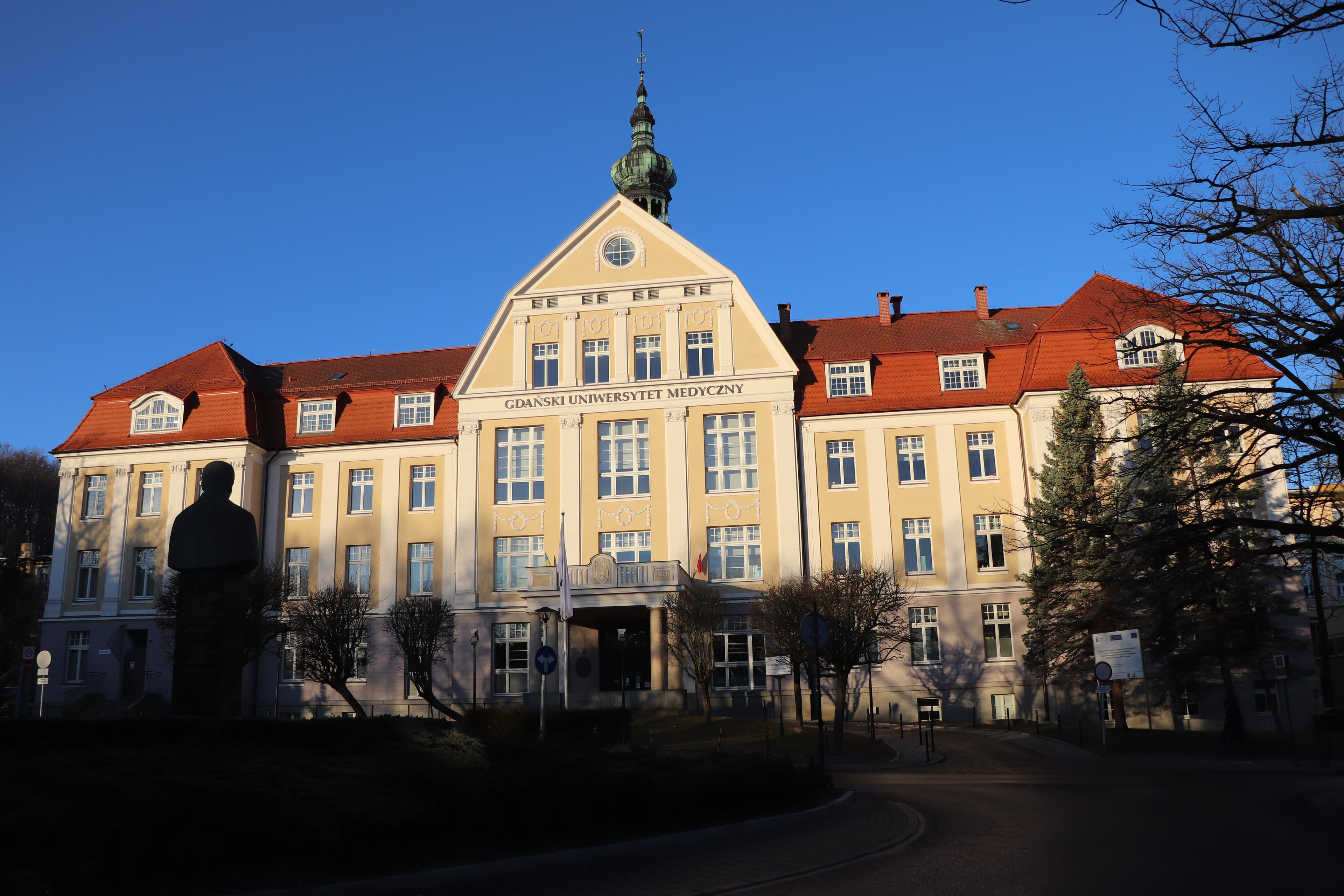
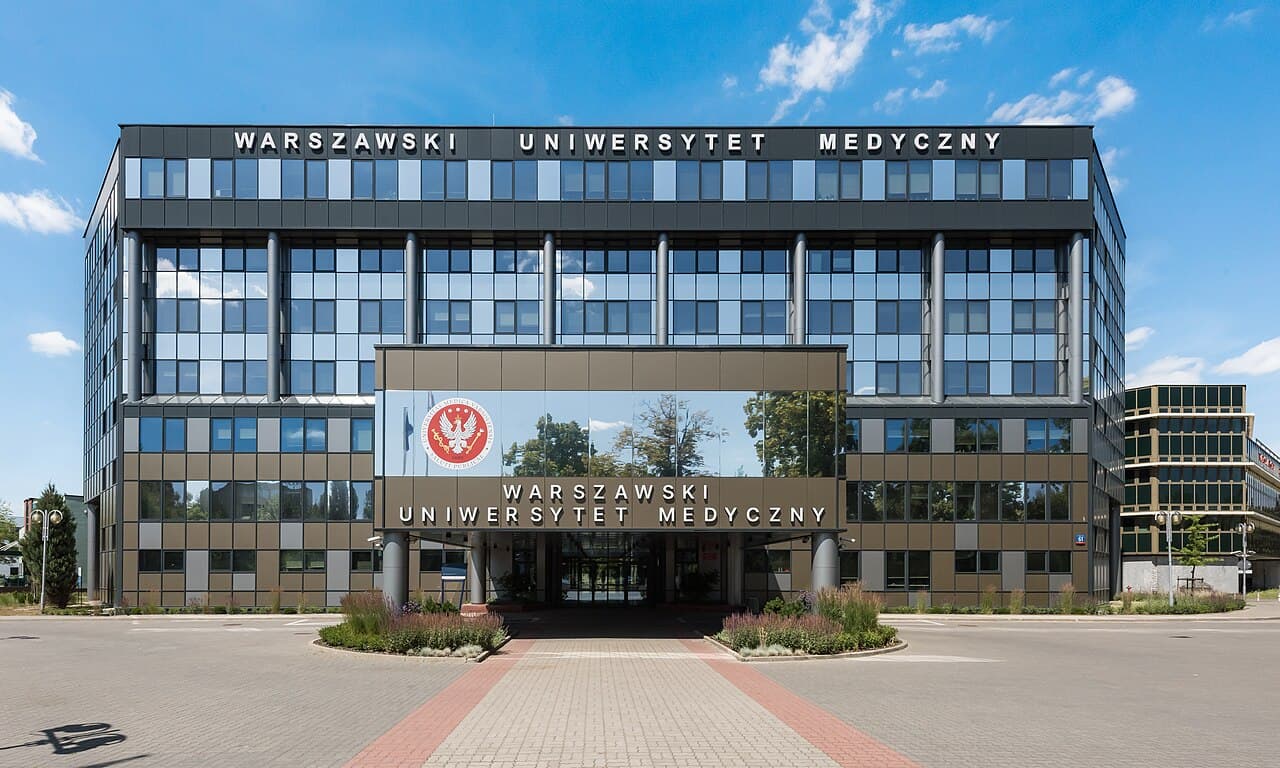
Poland is a European Union study destination with public and non-public higher-education institutions, first-cycle, second-cycle, long-cycle and doctoral routes. Universities set programme-specific admissions, language and fee rules; international applicants should confirm current requirements with the institution and, where relevant, Polish recognition and immigration authorities.
Admission process
India
International applicants look at India for English-taught degrees across computing, engineering, management, design, sciences, law and health disciplines, and for a single national application route: the Ministry of Education's Study in India portal issues an SII ID and lets an applicant send one profile to several participating institutes. Government-funded study places also exist through Indian Council for Cultural Relations scholarship schemes, which are applied for through Indian diplomatic missions rather than directly to a university. What an individual applicant can access depends on citizenship, residency status, how the prior qualification is assessed for equivalence, and whether the programme is attached to a national entrance test.
Need help choosing?
If you want help based on your budget, NEET profile, or preferred country, submit your details and our team will contact you.
Poland
Students can compare English-taught and Polish-taught degrees across humanities, social sciences, business, natural sciences, engineering, medicine and the arts. Poland uses the European higher-education framework, and full-time degree applicants from outside the EU may need both university admission and a visa or residence process, with eligibility depending on the credential, programme and nationality.