Scholarships · India to World
Most scholarship searches start with the wrong question. This hub explains what scholarships actually cover, which named awards are genuinely accessible to Indian students, and how to build a plan that holds whether or not the funding comes through.

 Germany
No tuition fees
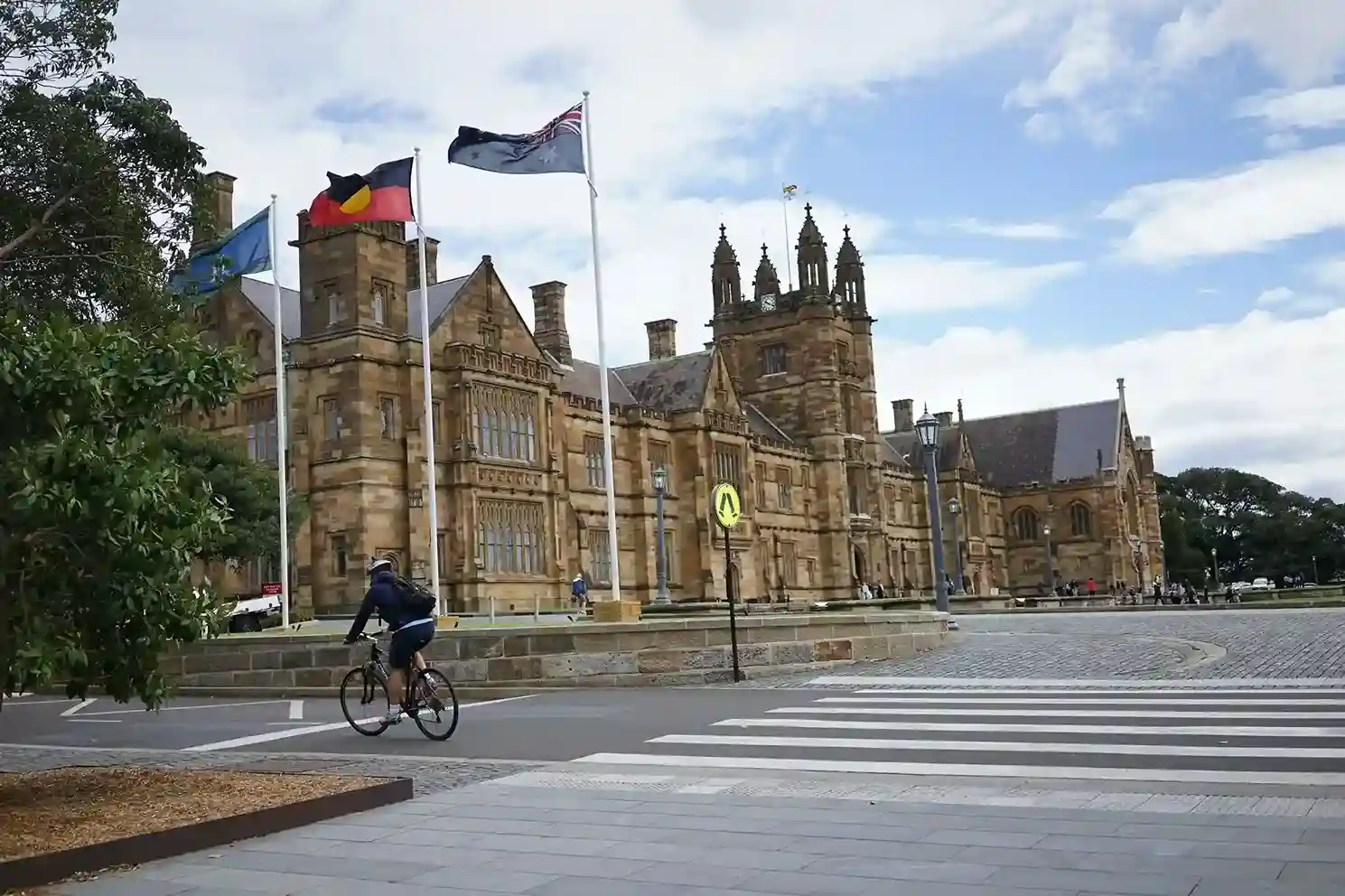
 Australia
Merit awards

 Russia
Govt. quota MBBS
 UK & Europe
Chevening · Erasmus
Understand First
Full funding
What it covers
Tuition + monthly living stipend + travel allowance. DAAD Research Grants, Erasmus Mundus joint Masters, Chevening (UK), Australia Awards. Genuinely available — but only for students with a strong GPA, defined research goal, or leadership track record who apply 12–18 months early.
Reality check
Most full scholarships go to students with a strong GPA, research background, or sector relevance. If you're applying cold with average marks, treat these as stretch targets, not a fallback.
Partial support
What it covers
Reduces tuition by 20–75%. Accommodation, visa, health insurance, flights, and living costs come from your pocket. University-issued merit scholarships and many country-based awards land here. The most realistic category for most Indian students.
Reality check
Always calculate net annual payable before treating a partial scholarship as a budget solution. A 50% waiver at ₹18 lakh/year still leaves ₹9 lakh plus living costs.
Tuition waiver
What it covers
Zero or near-zero tuition by policy — German public universities, some Nordic and French programs. Living costs of ₹7–15 lakh per year still apply. Often called a 'scholarship' in consultant marketing, but it's actually structural, not awarded.
Reality check
Germany no-tuition is real. But Blocked Account requirements, health insurance, and city rent mean most students budget ₹8–12 lakh per year anyway.
Country & Course Guides
Each guide covers one specific route — what's real, what cost remains, and how to build an application that competes.
Country scholarship guideDAAD grants, state-foundation funding, and the real monthly costs that remain after tuition is zero. Built for students seriously comparing Germany.
Medical scholarship guideOfficial Russian government quota, university-level waivers, and what the consultant 'scholarship' usually turns out to be on the ground.
Separates genuinely low-cost MBBS routes from misleading headlines, and explains the NMC conditions that make 'free MBBS' only half the story.
Destination planning guideAustralia Awards, university merit scholarships, and how to read Australian funding offers before treating them as a cost solution.
Named Awards
Well-established programs with real funding and a track record. Each has genuine eligibility conditions — we confirm these from official sources before presenting any scholarship as an option.
GermanyFull stipend + travel + health cover
 European Union
Full tuition + monthly allowance + travel
United KingdomFull tuition + living stipend + flights
AustraliaFull tuition + living + establishment allowance
 Japan
JapanFull tuition + monthly stipend + airfare
RussiaTuition support for quota seats
Scholarship cycles, eligibility conditions, and award values change each year. We track these from official programme sources.
Who Wins Scholarships
The right strategy depends on your course level, academic record, goals, and how early you start.
Strong GPA, a defined research interest, a thesis topic scoped. DAAD, Erasmus Mundus, and bilateral government schemes become genuinely accessible. Application needs to be started at least 15 months before intended intake.
2–5 years post-graduation work, a clear sector goal, a leadership or policy narrative. Chevening and program-specific professional awards open up meaningfully at this stage.
Targeting the lowest net payable rather than a specific scholarship brand. Germany, parts of France, and Eastern Europe offer real low-tuition routes without requiring a named scholarship at all.
A valid NEET score unlocks the India-return NMC pathway. Russian quota, partial university waivers, and managed-intake programs are the realistic scholarship routes for this group.
Not sure which profile fits you?
We review your academic profile, course goals, and budget together to point you at the scholarship routes that actually make sense for your situation.
What we confirm before shortlisting
Is this scholarship running in the current cycle?
Does it cover tuition only, or living costs too?
What is the net annual cost after the award?
Does the student's academic profile meet the selection criteria?
Is the university the right fit independently of the scholarship?
5-Step Planning Guide
Decide where and what you want to study before you chase funding
Scholarship availability is country- and course-specific. Students who start with a destination and a program have a much clearer view of which awards are actually relevant — and which ones consultants recycle for every student regardless of fit.
We confirm whether the scholarship is real, current, and open to Indian nationals
Some awards have closed cycles, income conditions, or nationality restrictions that rule out most Indian applicants. We confirm this from the official programme source — not from agent materials — before a scholarship is presented to a family as a viable option.
Work out your actual annual cost, not just the tuition number
Accommodation, health insurance, visa fees, city living, proof-of-funds, and travel all add to what you pay each year. A scholarship that reduces tuition by ₹5 lakh while your city costs ₹8 lakh in living expenses is a partial help — not a solution.
Make sure the university is the right choice even without the funding
If the only reason a university is on your shortlist is that a scholarship might make it affordable, you need a backup plan. The university's academic quality, placement record, city, and India-return implications should all hold up independently.
Give your scholarship application the same time you give your admission
Named awards ask for a statement of purpose, academic references, language test scores, and sometimes a portfolio or interview. Most top scholarships close 9–15 months before intake. Starting after you've confirmed your admission is usually too late.
Yes, but only for a competitive subset of programs and applicants. DAAD, Erasmus Mundus, Chevening, and Australia Awards offer genuinely full funding, but they are competitive, cycle-specific, and require a strong academic or professional profile. Most Indian students studying abroad use partial support, low-tuition country routes, or self-funded pathways. Full scholarships should be treated as a serious application goal rather than an expected default.
NEET is required for the India-return pathway under NMC rules, not as a scholarship entry criterion. Russian government quota and partial waivers do not depend on NEET directly, but any student planning to practice in India after completing an MBBS abroad needs a valid NEET score. Without it, the degree cannot be recognised for Indian practice regardless of which scholarship funded the course.
Most German public universities charge no tuition, or a semester administrative fee of €150–300. This is a structural policy, not a named scholarship. Living costs remain: accommodation, health insurance, food, and transport typically run €700–900 per month depending on city. Students need to demonstrate financial capacity via a Blocked Account. The no-tuition route is real, but the affordability story is more nuanced than 'free study in Germany'.
This is why university-first shortlisting matters. If the scholarship was the only reason a university was financially viable, you need a backup plan. Students should shortlist universities they can genuinely fund independently, then apply for scholarships to reduce that cost — not bank on them to make an unaffordable option possible.
Most competitive government and university scholarships open 9–18 months before the intake. DAAD deadlines fall 12–15 months before the program start. Chevening opens in August for the following year's September intake. University-level merit awards sometimes run parallel to the regular admission cycle. The biggest mistake is to start researching scholarships after applying for admission — the two processes should run together.
Ready to plan?
We help students identify the right country, right university, and the funding routes that realistically match their academic profile — without the generic scholarship list that doesn't account for eligibility.
& moreScholarships · India to World
Most scholarship searches start with the wrong question. This hub explains what scholarships actually cover, which named awards are genuinely accessible to Indian students, and how to build a plan that holds whether or not the funding comes through.
GermanyNo tuition fees
AustraliaMerit awards
RussiaGovt. quota MBBS
UK & EuropeChevening · Erasmus
Understand First
Full funding
What it covers
Tuition + monthly living stipend + travel allowance. DAAD Research Grants, Erasmus Mundus joint Masters, Chevening (UK), Australia Awards. Genuinely available — but only for students with a strong GPA, defined research goal, or leadership track record who apply 12–18 months early.
Reality check
Most full scholarships go to students with a strong GPA, research background, or sector relevance. If you're applying cold with average marks, treat these as stretch targets, not a fallback.
Partial support
What it covers
Reduces tuition by 20–75%. Accommodation, visa, health insurance, flights, and living costs come from your pocket. University-issued merit scholarships and many country-based awards land here. The most realistic category for most Indian students.
Reality check
Always calculate net annual payable before treating a partial scholarship as a budget solution. A 50% waiver at ₹18 lakh/year still leaves ₹9 lakh plus living costs.
Tuition waiver
What it covers
Zero or near-zero tuition by policy — German public universities, some Nordic and French programs. Living costs of ₹7–15 lakh per year still apply. Often called a 'scholarship' in consultant marketing, but it's actually structural, not awarded.
Reality check
Germany no-tuition is real. But Blocked Account requirements, health insurance, and city rent mean most students budget ₹8–12 lakh per year anyway.
Country & Course Guides
Each guide covers one specific route — what's real, what cost remains, and how to build an application that competes.
Country scholarship guideDAAD grants, state-foundation funding, and the real monthly costs that remain after tuition is zero. Built for students seriously comparing Germany.
Medical scholarship guideOfficial Russian government quota, university-level waivers, and what the consultant 'scholarship' usually turns out to be on the ground.
Separates genuinely low-cost MBBS routes from misleading headlines, and explains the NMC conditions that make 'free MBBS' only half the story.
Destination planning guideAustralia Awards, university merit scholarships, and how to read Australian funding offers before treating them as a cost solution.
Named Awards
Well-established programs with real funding and a track record. Each has genuine eligibility conditions — we confirm these from official sources before presenting any scholarship as an option.
GermanyFull stipend + travel + health cover
European UnionFull tuition + monthly allowance + travel
United KingdomFull tuition + living stipend + flights
AustraliaFull tuition + living + establishment allowance
JapanFull tuition + monthly stipend + airfare
RussiaTuition support for quota seats
Scholarship cycles, eligibility conditions, and award values change each year. We track these from official programme sources.
Who Wins Scholarships
The right strategy depends on your course level, academic record, goals, and how early you start.
Strong GPA, a defined research interest, a thesis topic scoped. DAAD, Erasmus Mundus, and bilateral government schemes become genuinely accessible. Application needs to be started at least 15 months before intended intake.
2–5 years post-graduation work, a clear sector goal, a leadership or policy narrative. Chevening and program-specific professional awards open up meaningfully at this stage.
Targeting the lowest net payable rather than a specific scholarship brand. Germany, parts of France, and Eastern Europe offer real low-tuition routes without requiring a named scholarship at all.
A valid NEET score unlocks the India-return NMC pathway. Russian quota, partial university waivers, and managed-intake programs are the realistic scholarship routes for this group.
Not sure which profile fits you?
We review your academic profile, course goals, and budget together to point you at the scholarship routes that actually make sense for your situation.
What we confirm before shortlisting
Is this scholarship running in the current cycle?
Does it cover tuition only, or living costs too?
What is the net annual cost after the award?
Does the student's academic profile meet the selection criteria?
Is the university the right fit independently of the scholarship?
5-Step Planning Guide
Decide where and what you want to study before you chase funding
Scholarship availability is country- and course-specific. Students who start with a destination and a program have a much clearer view of which awards are actually relevant — and which ones consultants recycle for every student regardless of fit.
We confirm whether the scholarship is real, current, and open to Indian nationals
Some awards have closed cycles, income conditions, or nationality restrictions that rule out most Indian applicants. We confirm this from the official programme source — not from agent materials — before a scholarship is presented to a family as a viable option.
Work out your actual annual cost, not just the tuition number
Accommodation, health insurance, visa fees, city living, proof-of-funds, and travel all add to what you pay each year. A scholarship that reduces tuition by ₹5 lakh while your city costs ₹8 lakh in living expenses is a partial help — not a solution.
Make sure the university is the right choice even without the funding
If the only reason a university is on your shortlist is that a scholarship might make it affordable, you need a backup plan. The university's academic quality, placement record, city, and India-return implications should all hold up independently.
Give your scholarship application the same time you give your admission
Named awards ask for a statement of purpose, academic references, language test scores, and sometimes a portfolio or interview. Most top scholarships close 9–15 months before intake. Starting after you've confirmed your admission is usually too late.
Yes, but only for a competitive subset of programs and applicants. DAAD, Erasmus Mundus, Chevening, and Australia Awards offer genuinely full funding, but they are competitive, cycle-specific, and require a strong academic or professional profile. Most Indian students studying abroad use partial support, low-tuition country routes, or self-funded pathways. Full scholarships should be treated as a serious application goal rather than an expected default.
NEET is required for the India-return pathway under NMC rules, not as a scholarship entry criterion. Russian government quota and partial waivers do not depend on NEET directly, but any student planning to practice in India after completing an MBBS abroad needs a valid NEET score. Without it, the degree cannot be recognised for Indian practice regardless of which scholarship funded the course.
Most German public universities charge no tuition, or a semester administrative fee of €150–300. This is a structural policy, not a named scholarship. Living costs remain: accommodation, health insurance, food, and transport typically run €700–900 per month depending on city. Students need to demonstrate financial capacity via a Blocked Account. The no-tuition route is real, but the affordability story is more nuanced than 'free study in Germany'.
This is why university-first shortlisting matters. If the scholarship was the only reason a university was financially viable, you need a backup plan. Students should shortlist universities they can genuinely fund independently, then apply for scholarships to reduce that cost — not bank on them to make an unaffordable option possible.
Most competitive government and university scholarships open 9–18 months before the intake. DAAD deadlines fall 12–15 months before the program start. Chevening opens in August for the following year's September intake. University-level merit awards sometimes run parallel to the regular admission cycle. The biggest mistake is to start researching scholarships after applying for admission — the two processes should run together.
Ready to plan?
We help students identify the right country, right university, and the funding routes that realistically match their academic profile — without the generic scholarship list that doesn't account for eligibility.
& more