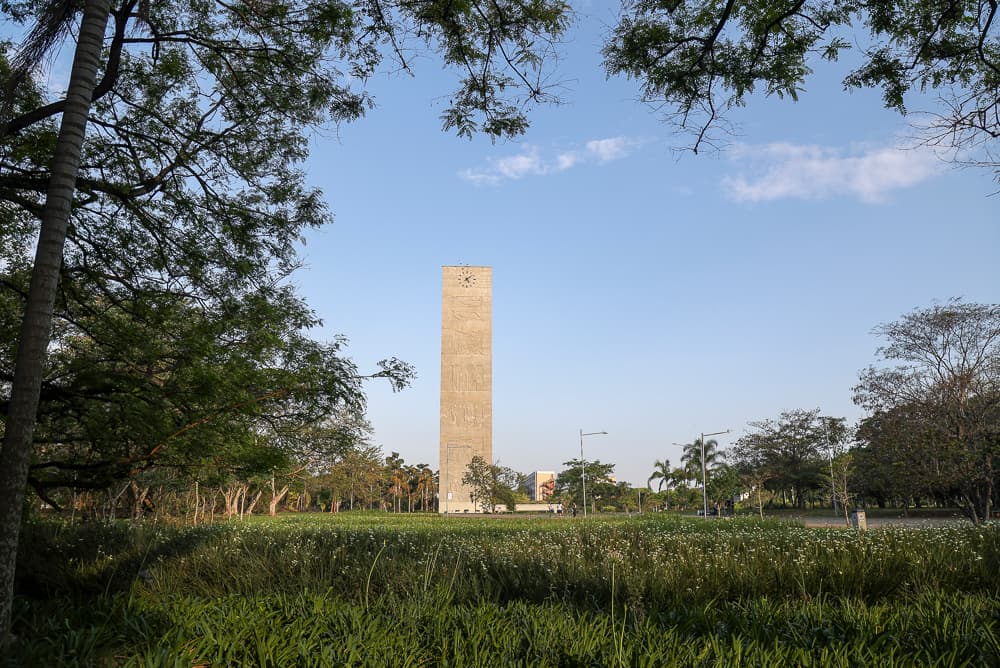
Explore universities and programs in Brazil, with practical details on admissions, fees, student life and the trade-offs between cities and institutions.
Use this guide to understand Brazil as a study destination, then compare the programs and universities that fit your goals, budget and preferred learning environment.
Why students choose this country
Students consider Brazil for its extensive higher-education system, research universities, Portuguese-language academic environment and regional opportunities. Public-university degree costs, selection routes and international eligibility vary by institution and programme, so applicants should verify each official call before applying.

Brazil
A practical starting point for comparing universities, courses and student life.
Brazil spans tropical, subtropical and temperate climate zones. São Paulo has warm summers, cooler or rainy periods and substantial variation across the year; students should budget for local transport, housing and climate-appropriate clothing.
Language, weather, daily routines and local rules affect your study experience.
Image placeholder
A day in Brazil
Compare the programmes and universities available in Brazil based on your goals, budget and eligibility.
Public-policy-international-relations
Available programmes
Compare all universities listed in Brazil. Open a profile to check fees, accommodation and programmes.
These are estimated country-level costs. Check the university and programme pages for exact fees, intakes and living costs.
Common intakes
Use this converter to understand the country-level costs for Brazil. Check the programme page for the final university fees.
Your city and university will affect your daily life, costs, food, safety and support.
Image placeholder
Life around Brazil
An existing international community
A strong student network can make the first weeks easier, from finding practical help to building a routine.
Food and daily routines
Food, groceries and everyday convenience vary by city, so compare the location alongside the university.
Safety and support systems
International offices, emergency contacts and peer networks are central to settling in well.
A real student perspective
Current students can explain the practical details that are difficult to judge from a university brochure.
Budget guide available
A detailed breakdown of what to budget for across all years of study.
Explore budget guide