Academic structure, teaching phases, and curriculum for Master's in Chemical Engineering at Jiangxi University of Science and Technology.
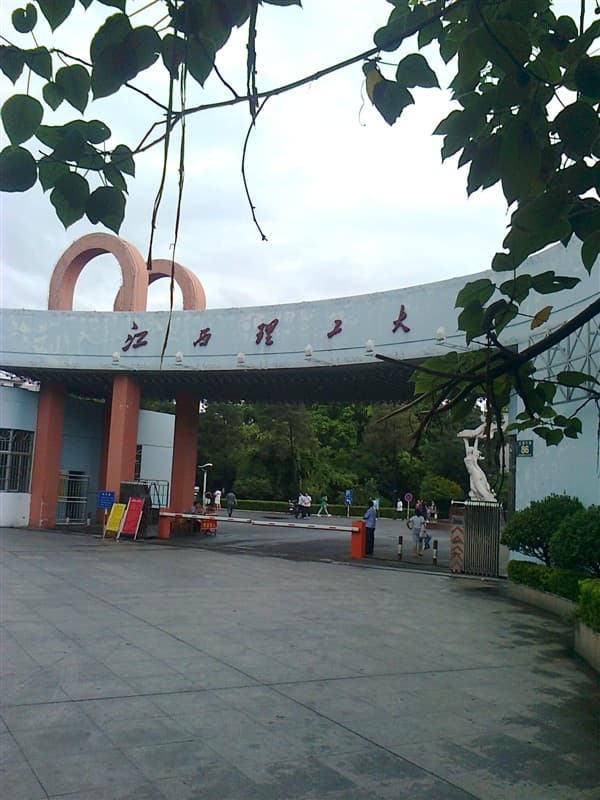
Chemical Engineering
Applying to Jiangxi University of Science and Technology?
Students Traffic verifies seat availability, checks current recognition status, and prepares your complete application for Jiangxi University of Science and Technology. The consultation is free.
Explicit English route in the standing international master’s table; its separately Chinese-taught International Chinese Education row is excluded.
Teaching phases
Nominal 3-year English degree route
Full-time master’s degree and graduation certificate follow the approved curriculum, examinations and thesis defence. International training includes Chinese/China Overview learning and permitted curriculum adjustments; no fixed graduation HSK level is established. Nominal 3 years in the exact English table, maximum 4 years in native international regulations. General 2025 graduate award rules specify thesis正文 of at least 30,000字. Academic master’s routes require at least one provincial-or-above journal article, excluding supplements. Professional routes require one journal article or provincial-or-above conference paper with published proceedings, or a qualifying granted invention patent, adopted technical plan, top-two municipal-or-above think-tank output, or national ranked disciplinary competition second prize/silver or above. University-first affiliation and student-first authorship apply; second authorship is allowed after a first-author supervisor. Faculties may strengthen requirements. Confirm foreign-student applicability, exact category and the English thesis-length convention; 字 does not prescribe a Chinese-only thesis.
Tuition fee and hostel estimate
Year-wise cost data is not currently published for this program.
Training & support
Practical training & industry exposure
The university’s current profile centres its research and teaching on rare earths, non-ferrous materials and critical minerals, with laboratories, engineering centres and industry collaboration. The native mining curriculum includes mineral extraction, processing, simulation and secondary-resource use. International graduate regulations describe a supervisor-approved individual study plan and the same core training framework as domestic students, with international adjustments. These institutional resources do not guarantee a paid placement, access to every laboratory, an overseas internship or employment; request the exact programme arrangements.
