Academic structure, teaching phases, and curriculum for Master's Finance at University of International Business and Economics.
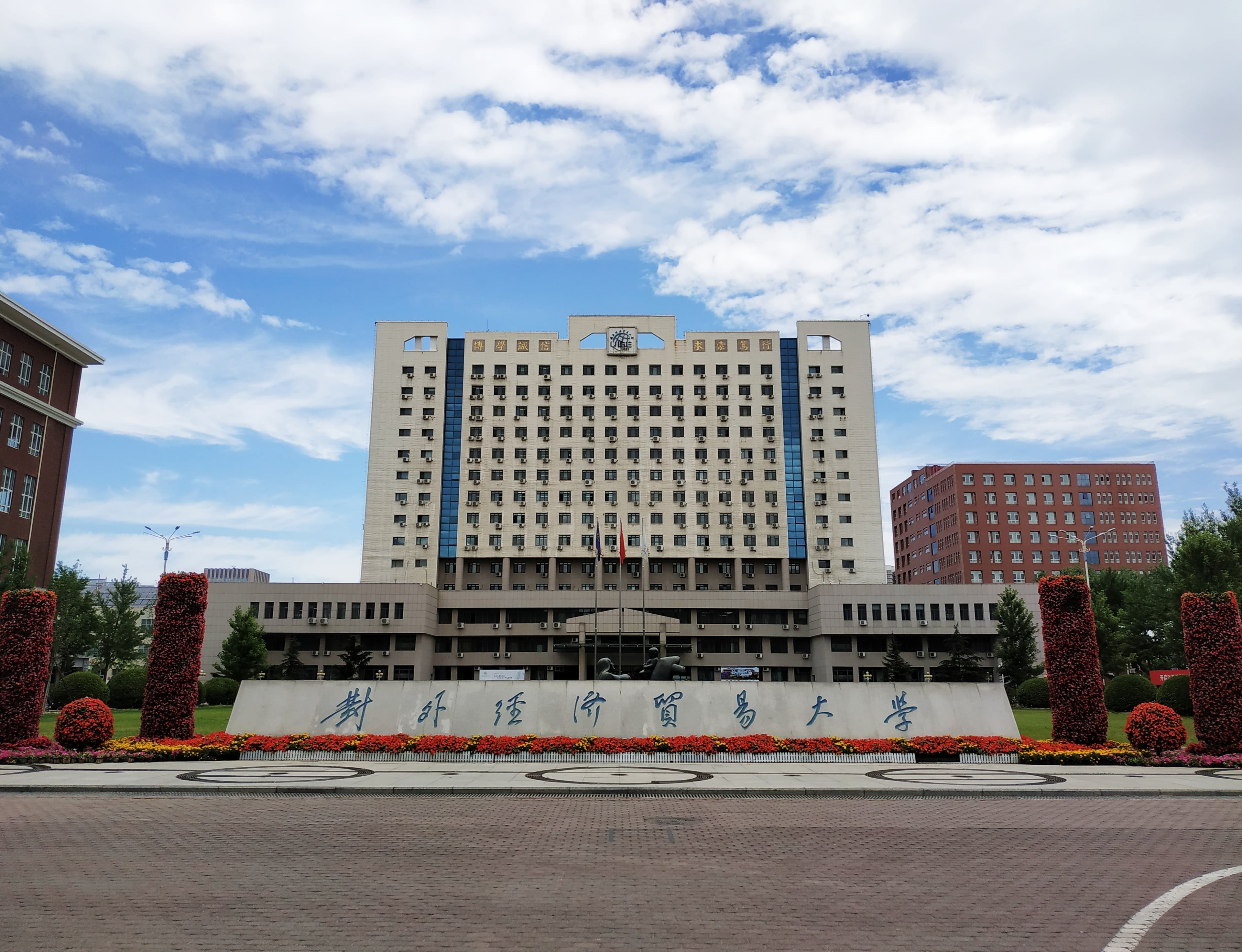
Finance
Applying to University of International Business and Economics?
Students Traffic verifies seat availability, checks current recognition status, and prepares your complete application for University of International Business and Economics. The consultation is free.
English, verified in the current general international English catalogue.
Fees
CN¥99,160 full course
Estimated hostel fee with food
Check with university
Teaching phases
2-year academic route
Master of Economics. Financial theory, econometrics, accounting, investment and quantitative finance. Confirm the actual course selection, academic requirements and teaching location with the admitted programme. The international student handbook requires English-taught master’s students to reach HSK level 3 (180 or above) for graduation; this is separate from admission English evidence. Confirm any exact programme-specific implementation.
Tuition fee and hostel estimate
Year-wise cost data is not currently published for this program.
Training & support
Practical training & industry exposure
The English undergraduate portfolio spans economics, trade, finance, business, marketing, politics and artificial intelligence. Linked curricula describe both economic analysis and applied business study. The AI route explicitly awards a Bachelor of Engineering and includes programming, machine learning, databases and language-processing topics. The jointly delivered economic-development/polymer programme adds materials experiments, processing and characterisation to development-policy and project study. Master’s profiles distinguish economics-based finance, logistics, international trade, WTO and quantitative routes from business, law, international relations, development and public-management study. Finance’s actuarial/risk track and the two Quantitative Economics tracks have different named curricula; they are not collapsed into a single indistinguishable course. The International Development curriculum includes aid, cooperation, policy, social research and a supervised thesis despite its exact Master of Law classification. The IEMBA, MIEC, MIF and IMPA Global Development and Governance routes are specifically designed taught academic programmes with their own credits, professional target groups and phases. Described field research, lectures, visits and practical study remain subject to actual arrangements. No placement, internship, employer access, professional licence or employment result is guaranteed.
