MBBS at Altai State Medical University — 11 questions answered
These are the most common questions Indian students and families ask before applying for MBBS at Altai State Medical University, Barnaul. Covering admissions, fees, recognition, eligibility, hostel, career outcomes, and the India-return pathway — everything you need before making your decision.
What is the FMGE pass rate at Altai State Medical University?
ASMU's 2024 FMGE pass rate was 22.31% — below Russia's national average of 29.54%. With 600+ Indian students enrolled, this figure represents a large enough cohort to be statistically meaningful. Families who prioritise FMGE outcomes should compare this against Orenburg (43.40%), Smolensk (42.91%), and Krasnoyarsk (~36%) before deciding.
What is the total MBBS fee at Altai State Medical University?
Annual tuition at ASMU is approximately $4,200 USD (₹3.6 lakh/year). Indian meal arrangements costs ₹6,000–8,000/month. campus logistics: ₹30,000–50,000/year. Total 6-year all-in cost including living expenses is approximately ₹28–34 lakh.
How is Barnaul for Indian students?
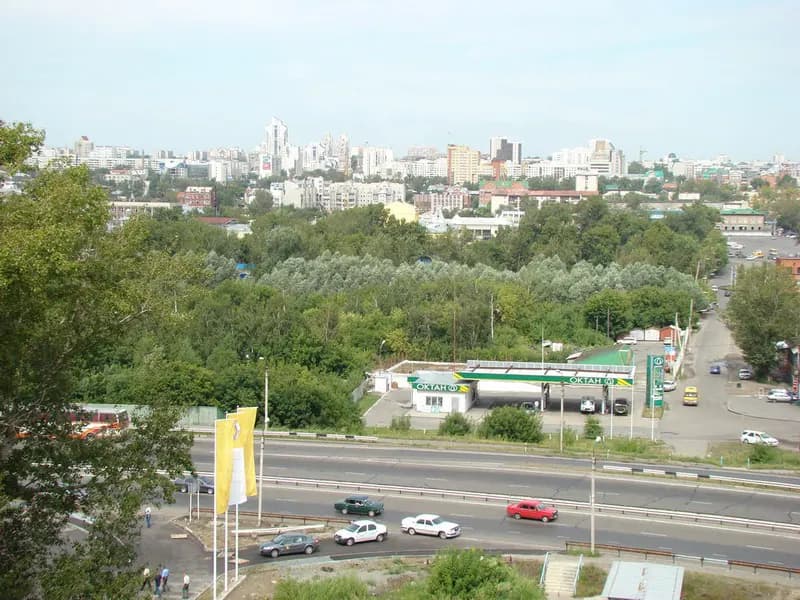
Barnaul has one of Siberia's largest Indian student communities at 600+. Indian meal arrangements is well-established, Indian groceries are available in city stores, and the Indian Student Association organises cultural events year-round. The city is safe, affordable, and has functional urban infrastructure. Winters are genuinely cold (-30°C) — proper winter preparation is required.
Is Altai State Medical University a public or private institution?
ASMU is a public (state) university operating under Russia's Ministry of Health, established in 1954. It is not a private for-profit institution, which is why its fee structure is set and published by a federal ministry rather than a private board.
Is Altai State Medical University genuinely recognised for Indian students to practise after graduation?
ASMU is listed in the World Directory of Medical Schools (WDOMS, FAIMER School ID F0001544) and its graduates have been ECFMG-certification eligible for US licensing purposes since 1957. WDOMS listing is the baseline requirement the NMC checks when an Indian graduate applies to sit the licensing exam (NExT/FMGE) — it does not guarantee a pass, and students should independently confirm current NMC requirements before enrolling, since regulations can change.
How does direct admission work at Altai State Medical University for Indian students after Class 12?
Admission is direct after Class 12 with a qualifying NEET score — no separate entrance exam or bridge year is required for the MBBS-equivalent programme, which follows the standard Russian federal medical curriculum. Students should confirm the current year's NEET cut-off and document checklist directly with the university's foreign admissions office, as exact documentation requirements can be revised each intake cycle.
What language is instruction in at Altai State Medical University, and is Russian language training provided?
The MBBS-equivalent programme is taught in English for the pre-clinical years, but compulsory Russian language instruction runs alongside it because clinical rotations from Year 3 onward involve patient interaction and hospital staff who communicate in Russian. Students who arrive with no Russian typically need the university's structured language course to be functional in clinical settings by Year 3.
When does the academic year start at Altai State Medical University and what is the application window?
Like most Russian medical universities, ASMU runs a single annual intake beginning around September, with the foreign-student application and document-verification window typically opening in mid-year. Exact 2026 deadlines should be confirmed directly with the university's international admissions office, since the published window can shift by a few weeks year to year.
Does Altai State Medical University require a certificate of eligibility before applying, similar to Germany's APS?
No — Russian medical universities including ASMU do not require a pre-approval certificate equivalent to Germany's APS. The core pre-application requirements are a qualifying NEET score and standard document attestation (marksheets, passport) for the student visa, which the university's foreign admissions office verifies directly.
How does Altai State Medical University compare to other Siberian medical universities for Indian students?
ASMU has one of Siberia's largest Indian communities (600+ students), which gives it stronger peer support and meal arrangements infrastructure than smaller-cohort Siberian universities like Chita or Amur, but its 2024 FMGE pass rate (22.31%) was below the national average and below regional peers such as Krasnoyarsk. Students choosing between them should weigh community size and support against FMGE outcome data for their target admission year.
Is there a work-while-studying or stipend option at Altai State Medical University?
No formal stipend or paid-work scheme for international students is published by the university, and Russian student visa terms restrict paid employment during the programme for most international students. Budget for tuition, campus logistics, and meal arrangements costs to be fully self-funded.
Applying to Altai State Medical University?
Students Traffic verifies seat availability, checks current recognition status, and prepares your complete application for Altai State Medical University. The consultation is free.