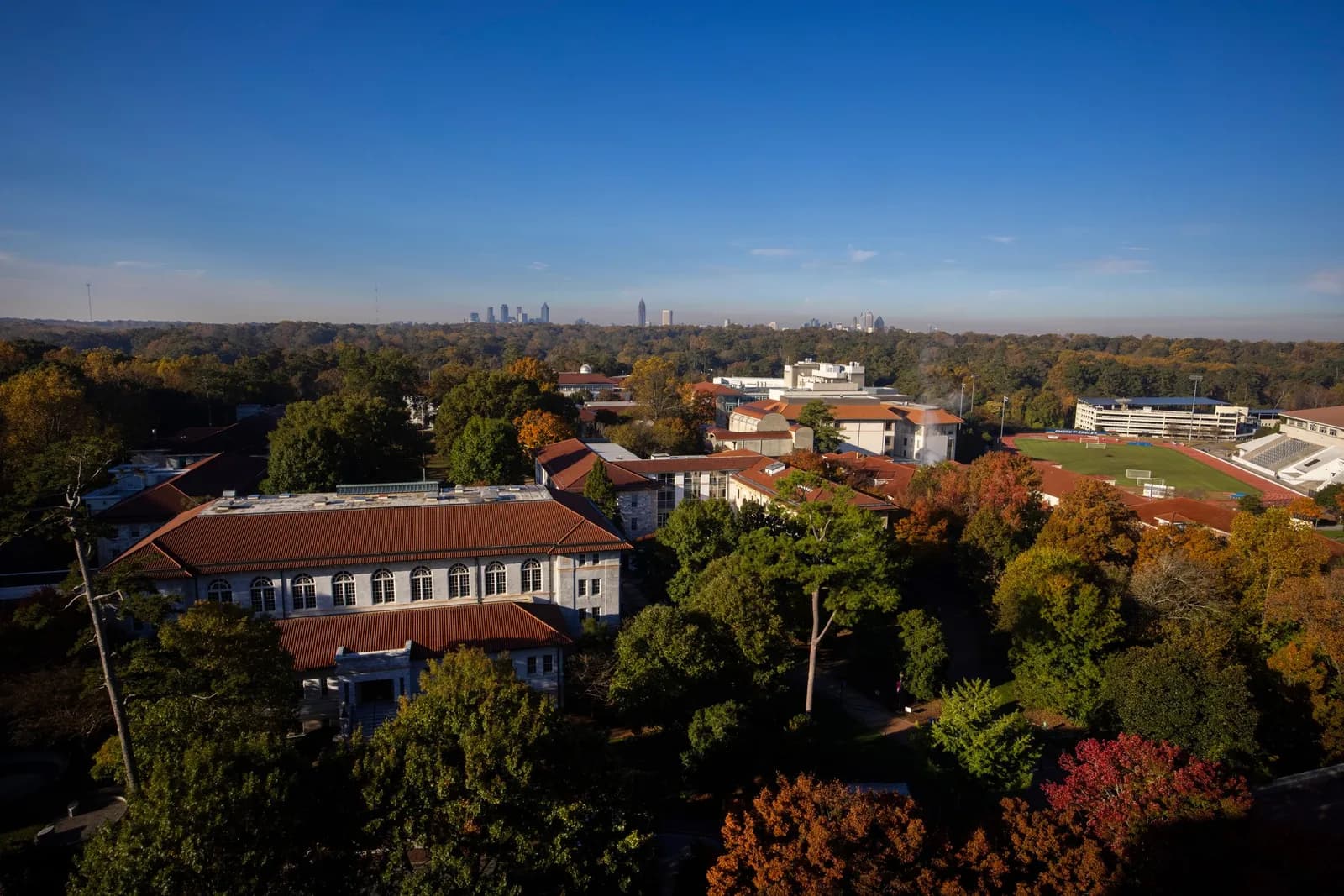
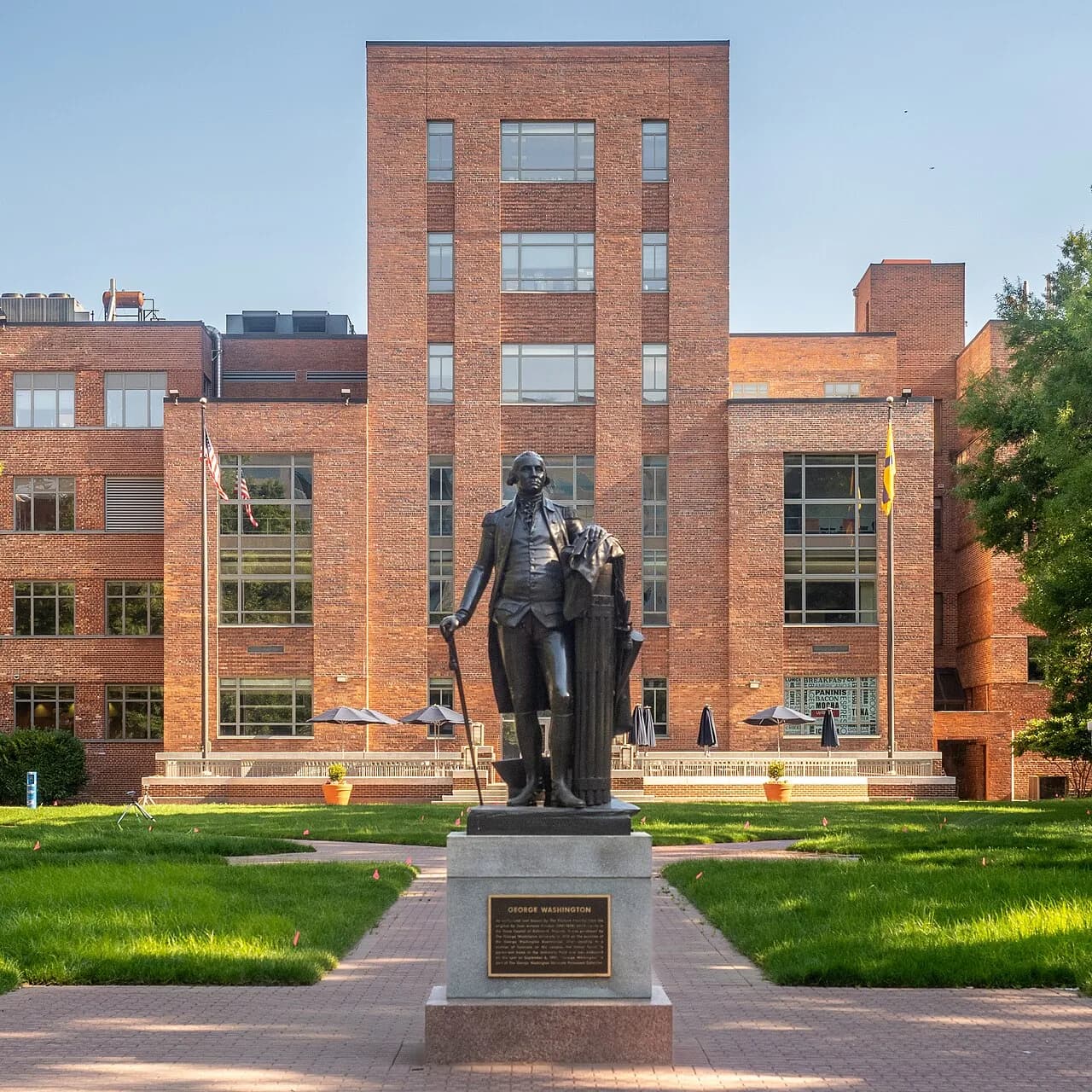
George Washington University is a private research university founded in 1821 with its main Foggy Bottom campus in Washington, D.C. Its current catalogue spans undergraduate, graduate and professional study, including computer science, business, public policy and law, with additional Virginia and online options.
Washington, D.C., United States
Private
1821
Bachelor's, Master's, Professional degree
English
January, May, August
George Washington University is a private research university founded in 1821 with its main Foggy Bottom campus in Washington, D.C. Its current catalogue spans undergraduate, graduate and professional study, including computer science, business, public policy and law, with additional Virginia and online options.
GW's main campus is in Foggy Bottom, central Washington, D.C., close to federal agencies, museums and public transport. The university also operates the Mount Vernon Campus and Virginia Science and Technology Campus. Student life is urban and campus-based, with study, advising and residential services concentrated around the Washington locations.
Bachelor of Science with a Major in Computer Science (STEM)
DetailsJuris Doctor
DetailsMaster of Laws (LL.M.)
DetailsMaster of Science in Computer Science
DetailsMaster of Business Administration (MBA)
DetailsMaster of Public Policy
DetailsGW's main campus is in Foggy Bottom, central Washington, D.C., close to federal agencies, museums and public transport. The university also operates the Mount Vernon Campus and Virginia Science and Technology Campus. Student life is urban and campus-based, with study, advising and residential services concentrated around the Washington locations.
GW publishes housing and dining charges through Campus Living and Student Accounts. For 2026–27, the university announced a base first-year residence-hall and dining estimate of $18,160 for the academic year, comprising a base residence-hall rate of $11,440 and dining of $6,720. Availability, room type and meal-plan prices vary, so international students should review the current housing contract before planning private accommodation.
Campus dining and residential services provide the practical route for everyday meals; students should review current dining plans and allergen or dietary information before arrival. Washington, D.C. has broad international food options, but the cost of eating off campus varies by neighbourhood. GW's published housing-and-dining estimate is a planning figure, not a guarantee of total living costs.
GW's urban setting means students should use university safety guidance, emergency contacts and normal city precautions. The university's campus safety and emergency resources should be checked before arrival, and students should confirm the current procedures for after-hours support, transport and reporting concerns rather than relying on a generic safety label.
International applicants use the same first-year or transfer application route as domestic applicants, with additional credential, English-proficiency, passport and financial-document steps. GW's international admissions process requires the Funding Your GW Education form, and admitted students need further financial documentation for the initial I-20. Graduate applicants should follow the separate school-level admissions route.
Admissions support
Get focused help with your application, documents and visa process. We will turn the information on this page into a practical next-step plan.
Talk to a student
These students studied here and can answer your real questions about academics, hostel life, and daily experience.
No student contacts listed yet for this university.
Request a student conversation
Share your details and we'll match you with a registered student who can answer your questions directly.
No reviews yet.
Be the first to share your experience at George Washington University.