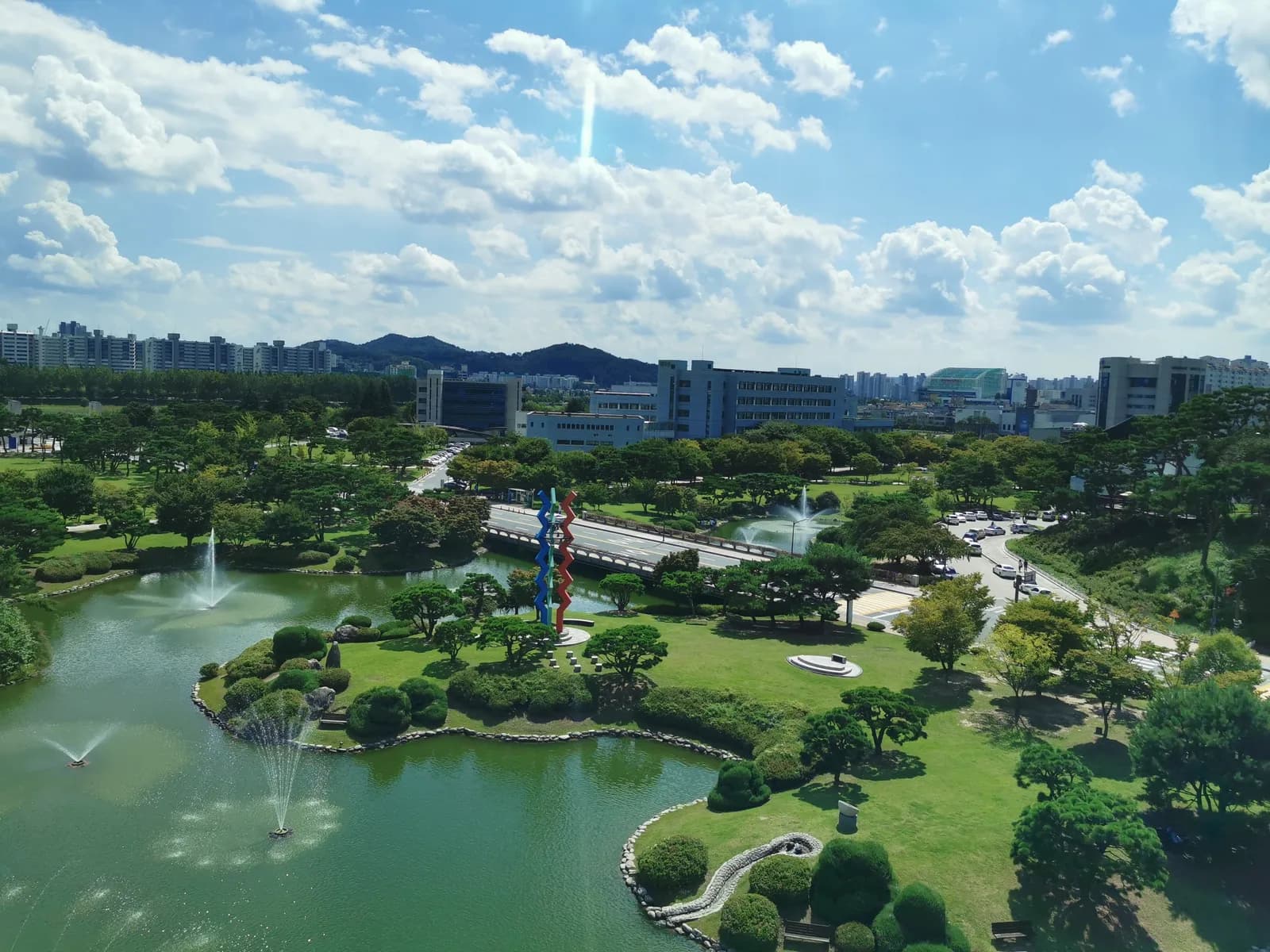
KAIST (Korea Advanced Institute of Science and Technology)Daejeon, South KoreaB.E./B.Tech CSE · PublicRepublic of Korea national science and technology university
B.E./B.Tech CSE at KAIST (Korea Advanced Institute of Science and Technology) — 12 questions answered
These are the most common questions Indian students and families ask before applying for B.E./B.Tech CSE at KAIST (Korea Advanced Institute of Science and Technology), Daejeon. Covering admissions, fees, recognition, eligibility, hostel, career outcomes, and the India-return pathway — everything you need before making your decision.
Is KAIST public or private?
KAIST is a public science and technology university in Daejeon, South Korea, established in 1971. Its official academic pages list colleges and departments across natural sciences, life science, engineering, liberal arts and business.
Can international students apply to KAIST?
Yes, KAIST publishes separate international undergraduate and international graduate routes. Eligibility is route-specific: undergraduate applicants must satisfy the published foreign-citizenship or schooling conditions, while international graduate applicants must meet the current citizenship and degree requirements.
Does KAIST admit undergraduates directly into a major?
No. KAIST states that international undergraduates enter with an undeclared major for the first year and choose a department after the freshman year. KAIST also states that it has no international transfer programme, so transfer applicants apply as freshmen.
What are the current undergraduate eligibility restrictions?
For the international route, KAIST says applicants holding Korean citizenship, including dual citizenship, are not eligible as foreign students. Korean-origin applicants with foreign citizenship must satisfy the published renunciation or full overseas schooling rules, and international-school study in Korea is not treated as foreign schooling.
Are KAIST programmes taught in English?
Do not assume that every programme or course is English-medium. KAIST's international graduate instructions and communications are in English, but department and course language varies; international undergraduates should confirm the intended curriculum and local-language expectations with the department.
When are KAIST international applications?
KAIST publishes separate cycles. The 2027 international undergraduate page lists spring early and fall early or regular tracks, while the international graduate notice lists cycle-specific programmes and deadlines. Applicants must use the current official timeline rather than a generic month estimate.
How do international applicants apply?
Applicants should use the KAIST international undergraduate or graduate admissions portal, read the current guide, prepare the required academic and identity documents, submit any recommendation or language evidence and complete payment before the stated Korea Standard Time deadline. Department-specific materials may also be required.
What degree is needed for KAIST graduate admission?
KAIST's international graduate admissions guidance states that master's or master's-PhD applicants need a bachelor's degree or equivalent by the start of the course. Doctoral applicants must follow the current degree, academic, research, language, recommendation and department requirements.
How much does KAIST cost?
KAIST tuition, fees, housing and scholarship support depend on study level, student category, programme and academic year. Applicants should confirm the current official fee and financial-support notice and budget separately for Daejeon living, insurance, immigration and residence costs.
Does KAIST offer scholarships?
KAIST's international admissions office publishes scholarship and financial-support information, and some graduate routes automatically consider applicants who select the relevant scholarship resource. Awards, eligibility, duration and continuation conditions vary, so funding should be confirmed in the current cycle notice.
What visa do international degree students need?
International degree students normally need the appropriate South Korean D-2 student status, but the exact subcategory and documents depend on the programme and personal circumstances. After admission, applicants should follow the current Korean immigration or embassy guidance and KAIST's certificate and registration instructions.
Does a KAIST degree guarantee professional recognition abroad?
No. Engineering, computing, business and other qualifications may be assessed differently by employers, regulators or professional bodies in the country where a graduate plans to work. Applicants should check local equivalence, licensing and language requirements before relying on a qualification for regulated practice.
Applying to KAIST (Korea Advanced Institute of Science and Technology)?
Students Traffic verifies seat availability, checks current recognition status, and prepares your complete application for KAIST (Korea Advanced Institute of Science and Technology). The consultation is free.