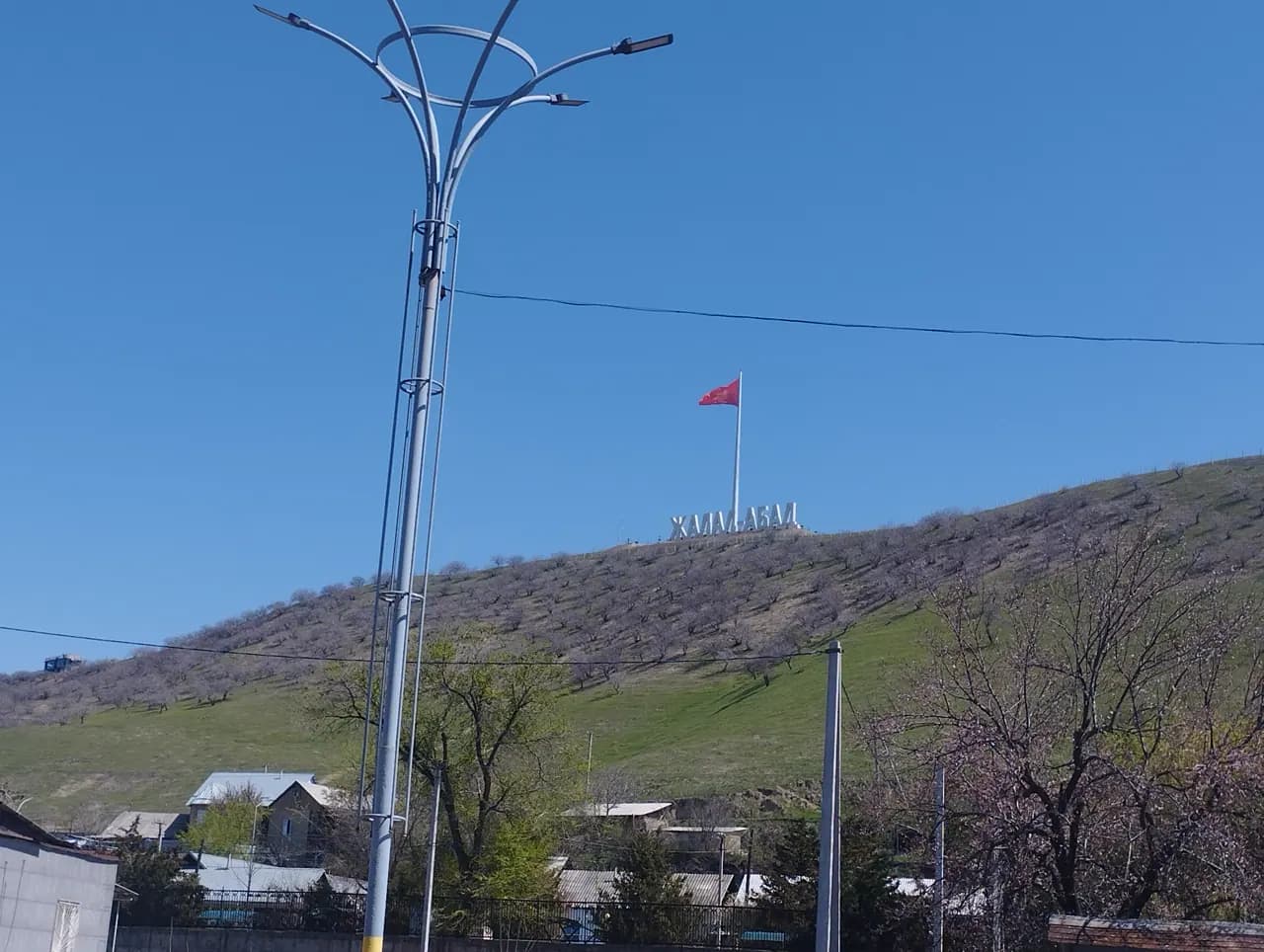
Kyrgyz-Russian Slavic University (KRSU), founded in 1993 through an intergovernmental agreement between the Kyrgyz Republic and the Russian Federation, is a jointly operated public university whose Medical Faculty is WDOMS-listed and whose graduates are reported to receive recognition from the higher-education…
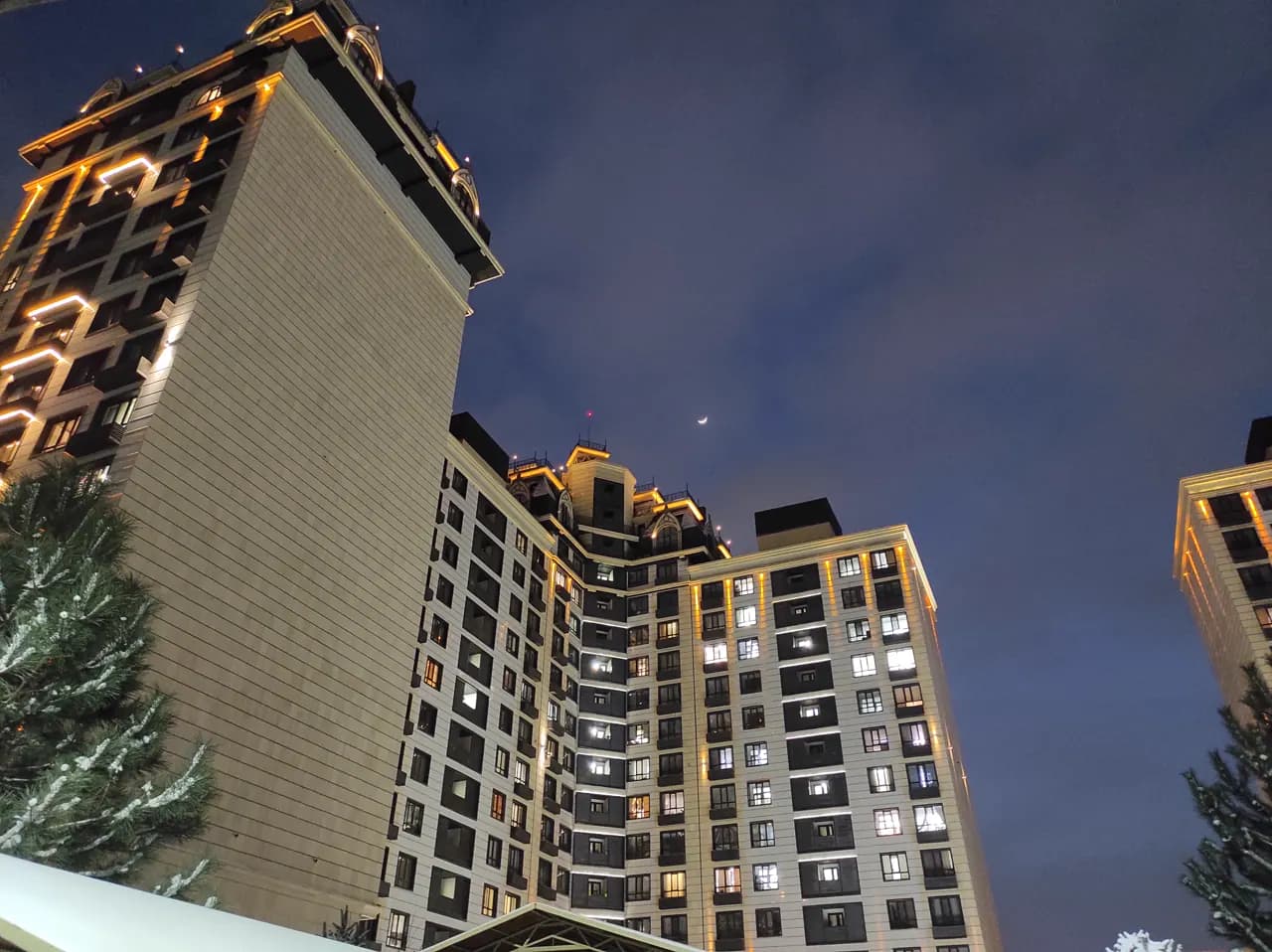
$4,000
6 years
English
Not listed
Bishkek, Kyrgyzstan
Public/State
Kyrgyz-Russian Slavic University (KRSU), founded in 1993 through an intergovernmental agreement between the Kyrgyz Republic and the Russian Federation, is a jointly operated public university whose Medical Faculty is WDOMS-listed and whose graduates are reported to receive recognition from the higher-education ministries of both countries — a dual-government backing that is structurally distinct from every other university in this batch.
KRSU is smaller than KSMA but carries the distinct positioning of being run under a bilateral Kyrgyz-Russian intergovernmental framework, which shapes its academic culture toward Russian-style clinical rigor combined with Kyrgyz state oversight. The university maintains strict academic standards and structured coursework consistent with its dual-government accreditation model.
KRSU is smaller than KSMA but carries the distinct positioning of being run under a bilateral Kyrgyz-Russian intergovernmental framework, which shapes its academic culture toward Russian-style clinical rigor combined with Kyrgyz state oversight. The university maintains strict academic standards and structured coursework consistent with its dual-government accreditation model.
KRSU offers subsidized state dormitories with reported strong demand (described by admissions sources as competitive to secure), so applicants should apply and confirm room allocation early rather than assuming automatic placement. Reported overall cost of living in Bishkek (accommodation, food, transport, utilities) runs roughly USD 250-400/month, and annual tuition is reported in the range of USD 3,300-4,500 depending on the source.
Bishkek's Indian expatriate and student presence supports Indian mess/cafeteria options and grocery access near KRSU, though this reflects the city's broader Indian community infrastructure rather than a KRSU-specific dedicated program — confirm current on-campus food arrangements with the Medical Faculty directly.
KRSU's dual Kyrgyz-Russian governmental backing is reflected in its security framing, though there is no independently published campus-specific crime or safety audit; general Bishkek safety considerations apply.
Because KRSU graduates are reported to receive certification recognized by both the Kyrgyz Republic's and Russian Federation's higher-education ministries, students interested in eventual Russian postgraduate study or residency pathways have a structurally distinct advantage compared to universities without this dual-government link — though the specific process and current validity of any residency pathway should be verified directly with KRSU, since ministry-level recognition frameworks can change.
Admissions support
Get focused help with your application, documents and visa process. We will turn the information on this page into a practical next-step plan.
Talk to a student
These students studied here and can answer your real questions about academics, hostel life, and daily experience.
No student contacts listed yet for this university.
Request a student conversation
Share your details and we'll match you with a registered student who can answer your questions directly.
No reviews yet.
Be the first to share your experience at Kyrgyz-Russian Slavic University (KRSU) Medical Faculty.
If you are planning MBBS admission in Russia, the real decision is not whether admission is possible. It is whether you are choosing the right university, preparing the right documents, and entering on a pathway that still makes sense for India-return goals later.
If you are comparing Russia seriously, the duration question is really about structure, internship, and planning. The useful answer is not a brochure number. It is understanding how the six-year pathway works and what that means for your long-term medical journey.
If your first question is cost, Russia belongs on the shortlist. But the smartest budget decision is not the cheapest seat on paper. It is the cheapest Russia option that still makes sense for the student's full six-year journey.
The best Russia shortlist is not a generic top-10 table. It is a fit-based decision across brand, public-university value, city comfort, cost, and long-term pathway sense. This page is built to help families shortlist wisely, not just scroll names.
Families searching Russia fees in rupees are trying to answer a practical question: can we really afford this path across six years? This page is built to answer that question better than the generic fee pages in the current SERP.
An MBBS from Russia can be valid in India, but only when the student's full pathway is planned correctly. The real risk is not 'Russia' itself. The risk is choosing the wrong university or ignoring the rules that matter when you return.