Trent University is a public Canadian university founded in 1964, with a riverside Peterborough campus and a Durham GTA campus in Oshawa. Its current catalogue spans undergraduate, postgraduate certificate, master's, doctoral, professional and collaborative programmes across arts, sciences, business, education,…
Location
Peterborough, Canada
Programme focus
B.A. Anthropology
Official annual fee
CA$35,000
Next intake
September, January, May

CA$35,000
4 years
English
September, January, May
Peterborough, Canada
Public
Trent University is a public Canadian university founded in 1964, with a riverside Peterborough campus and a Durham GTA campus in Oshawa. Its current catalogue spans undergraduate, postgraduate certificate, master's, doctoral, professional and collaborative programmes across arts, sciences, business, education, nursing, computing and environmental studies.
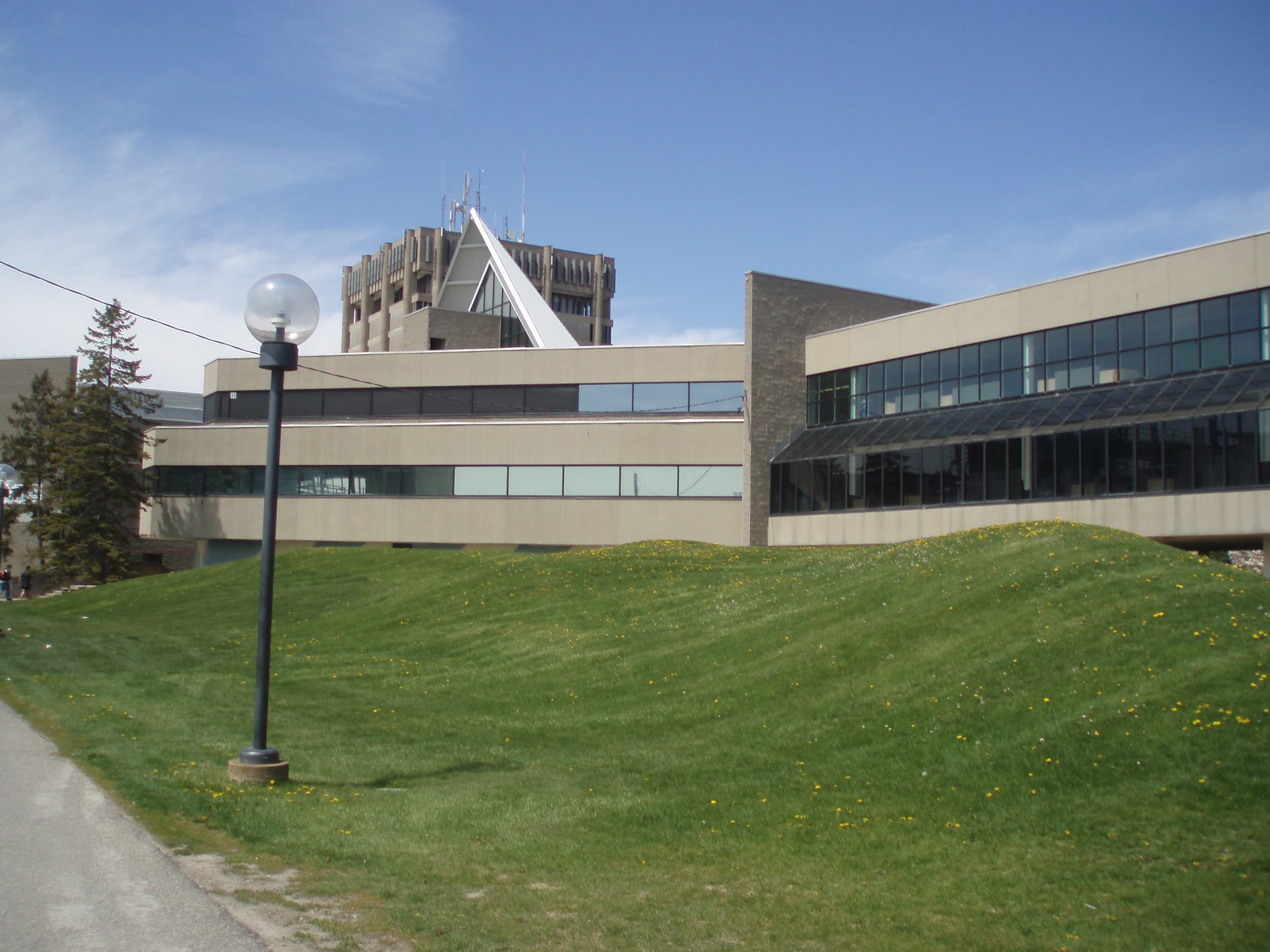
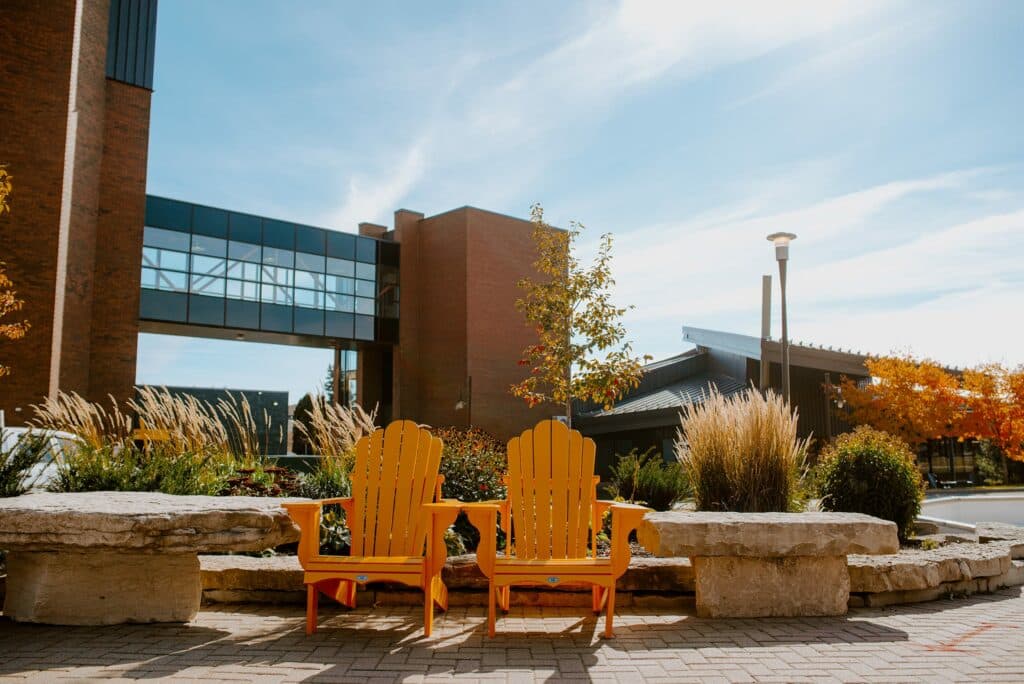
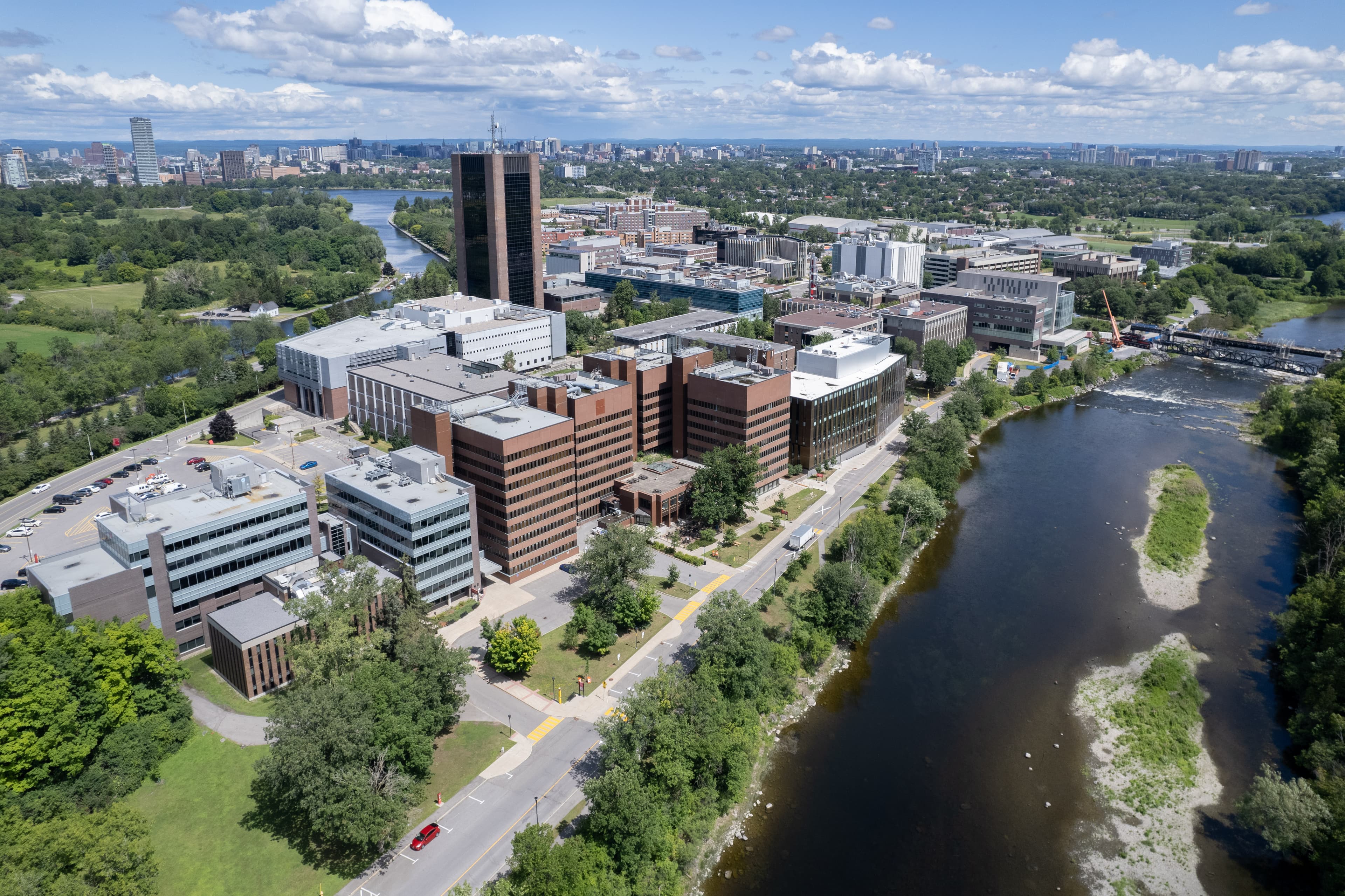
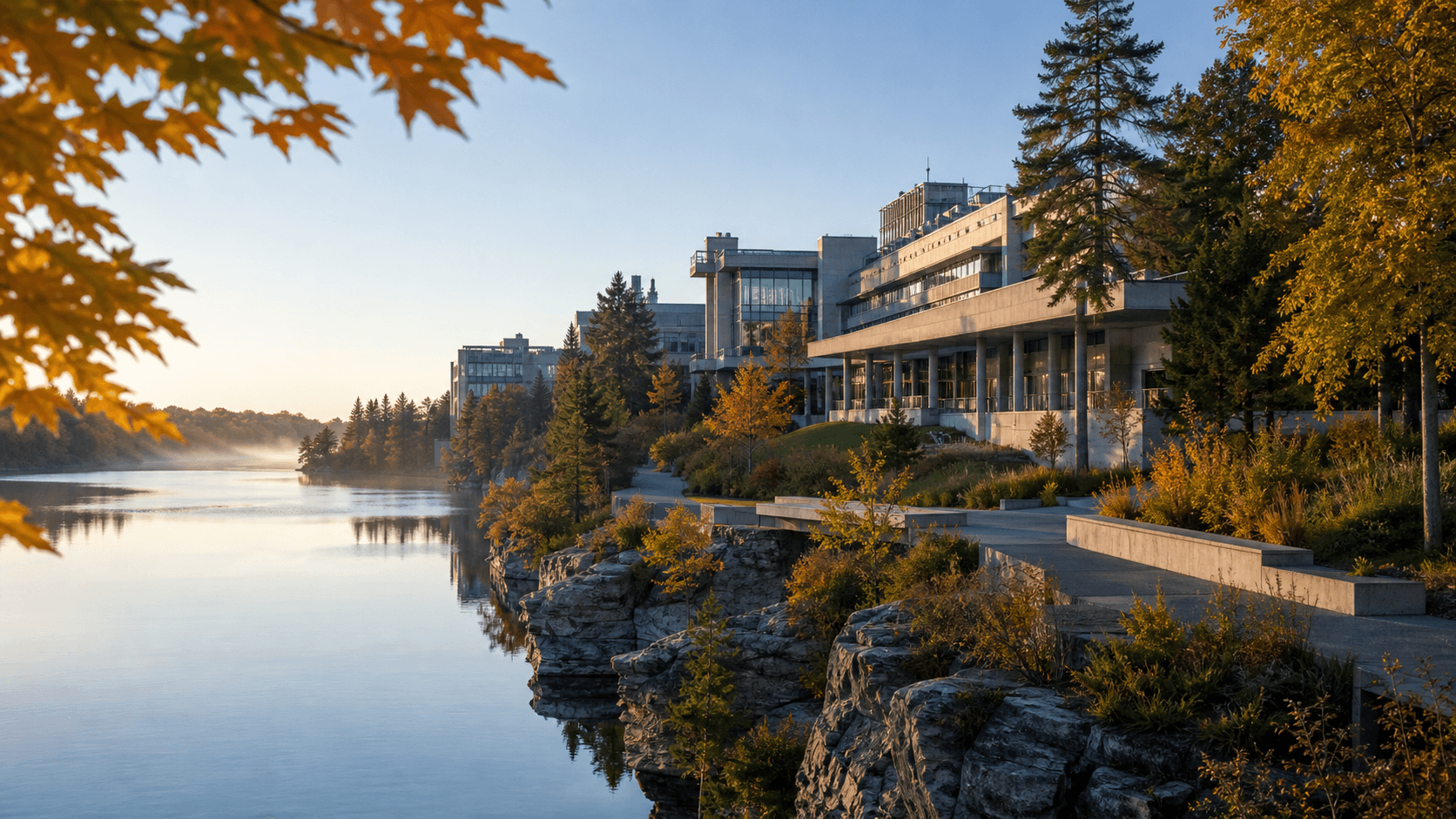
Trent's main Symons Campus is a 1,400-acre Peterborough site along the Otonabee River, organized through a collegiate system with residential and academic communities. Trent Durham GTA is at 55 Thornton Road South in Oshawa and serves the Greater Toronto Area. Trent's official 2026 facts state more than 13,000 undergraduate and graduate students across the two campuses, with 10,967 in Peterborough and 2,800 in Durham. International students should confirm the campus and delivery mode of each programme because the catalogue includes Peterborough, Durham GTA and online offerings.
Open a programme profile for eligibility, tuition, curriculum and application planning.
Anthropology (B.A. or B.Sc.)
DetailsEnglish Literature (B.A. or B.A. Honours)
DetailsHistory (B.A. or B.A. Honours)
DetailsSociology (B.A. or B.A. Honours)
DetailsChemical Engineering: Trent/Swansea Dual Degree
DetailsBiology (B.Sc.)
DetailsChemistry (B.Sc.)
DetailsBachelor of Science in Nursing (BScN)
DetailsPhysics (B.Sc.)
DetailsSoftware Engineering Co-op
DetailsEconomics (B.A. or B.Sc.)
DetailsGeography (B.A. or B.Sc.)
DetailsPolitical Studies (B.A.)
DetailsPsychology (B.A. or B.Sc.)
DetailsAnthropology M.A. or M.Sc.
DetailsEducational Studies M.Ed.
DetailsComputer Science M.Sc.
DetailsHistory M.A.
DetailsPsychology M.Sc.
DetailsSustainability Studies M.A.
DetailsPractical information about day-to-day life while pursuing this program at Trent University in Peterborough, the country. This covers the campus environment, accommodation, daily living and available safety and student-support services.
Trent's main Symons Campus is a 1,400-acre Peterborough site along the Otonabee River, organized through a collegiate system with residential and academic communities. Trent Durham GTA is at 55 Thornton Road South in Oshawa and serves the Greater Toronto Area. Trent's official 2026 facts state more than 13,000 undergraduate and graduate students across the two campuses, with 10,967 in Peterborough and 2,800 in Durham. International students should confirm the campus and delivery mode of each programme because the catalogue includes Peterborough, Durham GTA and online offerings.
Trent offers residence and housing information for both Peterborough and Durham GTA, with residence applications and room types managed through the university's housing service. The official international budget page uses an eight-month housing-and-meals estimate of CAD 11,000–16,500 for undergraduate students, while postgraduate and off-campus costs vary by room, lease, utilities, food and campus. International applicants should apply for residence early, confirm any current guarantee deadline and keep an off-campus plan because residence availability and preferred room types are not universal.
The official sources reviewed describe campus dining and residence meal-plan arrangements but do not promise a specific Indian-food or religious-diet plan for every location. Peterborough and Oshawa have different local food markets and community resources, so students should check current dining menus, allergy procedures, kitchen access and nearby grocery options before accepting housing. Food, utilities, transport, insurance and personal costs should be budgeted separately from tuition and ancillary fees.
Trent provides campus security, health and wellness, student support and international-student services across its campuses. The university's official material does not justify a blanket safety guarantee; students should use campus emergency contacts, orientation guidance, residence procedures and local emergency services. Applicants should also compare the practical travel route between campus, housing and any clinical, co-op or fieldwork site before committing to a programme. Trent International supports international students with arrival, immigration-related information, health-insurance, document and transition guidance, while the university also provides academic skills, advising, health and wellness, residence, campus security and careers services. The School of Graduate Studies publishes programme-specific admissions, registration and funding information. International applicants must still verify current study-permit, work-authorisation and post-graduation rules through the Government of Canada rather than treating university marketing as immigration advice.
Admissions support
Get focused help with your application, documents and visa process. We will turn the information on this page into a practical next-step plan.
Trent University is a public Canadian university founded in 1964, with a riverside Peterborough campus and a Durham GTA campus in Oshawa. Its current catalogue spans undergraduate, postgraduate certificate, master's, doctoral, professional and collaborative programmes across arts, sciences, business, education,…
Location
Peterborough, Canada
Programme focus
B.A. Anthropology
Official annual fee
CA$35,000
Next intake
September, January, May

CA$35,000
4 years
English
September, January, May
Peterborough, Canada
Public
Trent University is a public Canadian university founded in 1964, with a riverside Peterborough campus and a Durham GTA campus in Oshawa. Its current catalogue spans undergraduate, postgraduate certificate, master's, doctoral, professional and collaborative programmes across arts, sciences, business, education, nursing, computing and environmental studies.
Trent's main Symons Campus is a 1,400-acre Peterborough site along the Otonabee River, organized through a collegiate system with residential and academic communities. Trent Durham GTA is at 55 Thornton Road South in Oshawa and serves the Greater Toronto Area. Trent's official 2026 facts state more than 13,000 undergraduate and graduate students across the two campuses, with 10,967 in Peterborough and 2,800 in Durham. International students should confirm the campus and delivery mode of each programme because the catalogue includes Peterborough, Durham GTA and online offerings.
Open a programme profile for eligibility, tuition, curriculum and application planning.
Anthropology (B.A. or B.Sc.)
DetailsEnglish Literature (B.A. or B.A. Honours)
DetailsHistory (B.A. or B.A. Honours)
DetailsSociology (B.A. or B.A. Honours)
DetailsChemical Engineering: Trent/Swansea Dual Degree
DetailsBiology (B.Sc.)
DetailsChemistry (B.Sc.)
DetailsBachelor of Science in Nursing (BScN)
DetailsPhysics (B.Sc.)
DetailsSoftware Engineering Co-op
DetailsEconomics (B.A. or B.Sc.)
DetailsGeography (B.A. or B.Sc.)
DetailsPolitical Studies (B.A.)
DetailsPsychology (B.A. or B.Sc.)
DetailsAnthropology M.A. or M.Sc.
DetailsEducational Studies M.Ed.
DetailsComputer Science M.Sc.
DetailsHistory M.A.
DetailsPsychology M.Sc.
DetailsSustainability Studies M.A.
DetailsPractical information about day-to-day life while pursuing this program at Trent University in Peterborough, the country. This covers the campus environment, accommodation, daily living and available safety and student-support services.
Trent's main Symons Campus is a 1,400-acre Peterborough site along the Otonabee River, organized through a collegiate system with residential and academic communities. Trent Durham GTA is at 55 Thornton Road South in Oshawa and serves the Greater Toronto Area. Trent's official 2026 facts state more than 13,000 undergraduate and graduate students across the two campuses, with 10,967 in Peterborough and 2,800 in Durham. International students should confirm the campus and delivery mode of each programme because the catalogue includes Peterborough, Durham GTA and online offerings.
Trent offers residence and housing information for both Peterborough and Durham GTA, with residence applications and room types managed through the university's housing service. The official international budget page uses an eight-month housing-and-meals estimate of CAD 11,000–16,500 for undergraduate students, while postgraduate and off-campus costs vary by room, lease, utilities, food and campus. International applicants should apply for residence early, confirm any current guarantee deadline and keep an off-campus plan because residence availability and preferred room types are not universal.
The official sources reviewed describe campus dining and residence meal-plan arrangements but do not promise a specific Indian-food or religious-diet plan for every location. Peterborough and Oshawa have different local food markets and community resources, so students should check current dining menus, allergy procedures, kitchen access and nearby grocery options before accepting housing. Food, utilities, transport, insurance and personal costs should be budgeted separately from tuition and ancillary fees.
Trent provides campus security, health and wellness, student support and international-student services across its campuses. The university's official material does not justify a blanket safety guarantee; students should use campus emergency contacts, orientation guidance, residence procedures and local emergency services. Applicants should also compare the practical travel route between campus, housing and any clinical, co-op or fieldwork site before committing to a programme. Trent International supports international students with arrival, immigration-related information, health-insurance, document and transition guidance, while the university also provides academic skills, advising, health and wellness, residence, campus security and careers services. The School of Graduate Studies publishes programme-specific admissions, registration and funding information. International applicants must still verify current study-permit, work-authorisation and post-graduation rules through the Government of Canada rather than treating university marketing as immigration advice.
Admissions support
Get focused help with your application, documents and visa process. We will turn the information on this page into a practical next-step plan.
Talk to a student
These students studied here and can answer your real questions about academics, hostel life, and daily experience.
No student contacts listed yet for this university.
Request a student conversation
Share your details and we'll match you with a registered student who can answer your questions directly.
No reviews yet.
Be the first to share your experience at Trent University.
Compare with similar
Other universities in Canada
Trent University's Bachelor of Science in Nursing is a CASN-accredited, 4-year program in Peterborough, Ontario that leads directly to CNO Registered Nurse registration, a 3-year Post-Graduation Work Permit, and a documented pathway to Canadian permanent residency through Express Entry healthcare draws. For Indian students serious about a nursing career in Canada, studying the BScN in Canada — rather than studying in India and migrating later as an internationally educated nurse — removes years of uncertainty and dramatically improves the odds of becoming a practising, permanent-resident RN.
Studying nursing in Canada is a major financial investment. Trent University's BScN runs approximately CAD 28,000–34,000 per year in tuition, with a total 4-year all-in cost — tuition, living, insurance, GIC, and study permit — of approximately CAD 210,000–235,000 (roughly ₹1.3–1.6 crore). This page breaks down every cost in detail so Indian families can plan accurately, understand what the GIC is and how it works, and weigh the investment against the outcome: an Ontario RN earning CAD 103,000 per year with a direct PR pathway.
The Student Direct Stream (SDS) — the fast-track study permit route most Indian students used — was permanently discontinued on November 8, 2024. All Indian study permit applications now go through the standard stream. Processing takes 8–14 weeks, requires more complete documentation upfront, and now requires a Provincial Attestation Letter (PAL). This guide covers the complete 2026 process: every step from the Letter of Acceptance to your physical study permit at the Canadian border.
Nursing is one of the strongest occupations in Canada's immigration system in 2026. Express Entry healthcare draws are running at CRS scores of 462–476 — well below the general pool cutoff — and a 4-year BScN earns a 3-year open Post-Graduation Work Permit. This guide explains the complete pathway from BScN graduation to CNO registration, NCLEX-RN, the PGWP, permanent residency through Express Entry or PNP, and the salary reality for Indian nurses building a career in Canada.
Talk to a student
These students studied here and can answer your real questions about academics, hostel life, and daily experience.
No student contacts listed yet for this university.
Request a student conversation
Share your details and we'll match you with a registered student who can answer your questions directly.
No reviews yet.
Be the first to share your experience at Trent University.

Compare with similar
Other universities in Canada
Trent University's Bachelor of Science in Nursing is a CASN-accredited, 4-year program in Peterborough, Ontario that leads directly to CNO Registered Nurse registration, a 3-year Post-Graduation Work Permit, and a documented pathway to Canadian permanent residency through Express Entry healthcare draws. For Indian students serious about a nursing career in Canada, studying the BScN in Canada — rather than studying in India and migrating later as an internationally educated nurse — removes years of uncertainty and dramatically improves the odds of becoming a practising, permanent-resident RN.
Studying nursing in Canada is a major financial investment. Trent University's BScN runs approximately CAD 28,000–34,000 per year in tuition, with a total 4-year all-in cost — tuition, living, insurance, GIC, and study permit — of approximately CAD 210,000–235,000 (roughly ₹1.3–1.6 crore). This page breaks down every cost in detail so Indian families can plan accurately, understand what the GIC is and how it works, and weigh the investment against the outcome: an Ontario RN earning CAD 103,000 per year with a direct PR pathway.
The Student Direct Stream (SDS) — the fast-track study permit route most Indian students used — was permanently discontinued on November 8, 2024. All Indian study permit applications now go through the standard stream. Processing takes 8–14 weeks, requires more complete documentation upfront, and now requires a Provincial Attestation Letter (PAL). This guide covers the complete 2026 process: every step from the Letter of Acceptance to your physical study permit at the Canadian border.
Nursing is one of the strongest occupations in Canada's immigration system in 2026. Express Entry healthcare draws are running at CRS scores of 462–476 — well below the general pool cutoff — and a 4-year BScN earns a 3-year open Post-Graduation Work Permit. This guide explains the complete pathway from BScN graduation to CNO registration, NCLEX-RN, the PGWP, permanent residency through Express Entry or PNP, and the salary reality for Indian nurses building a career in Canada.