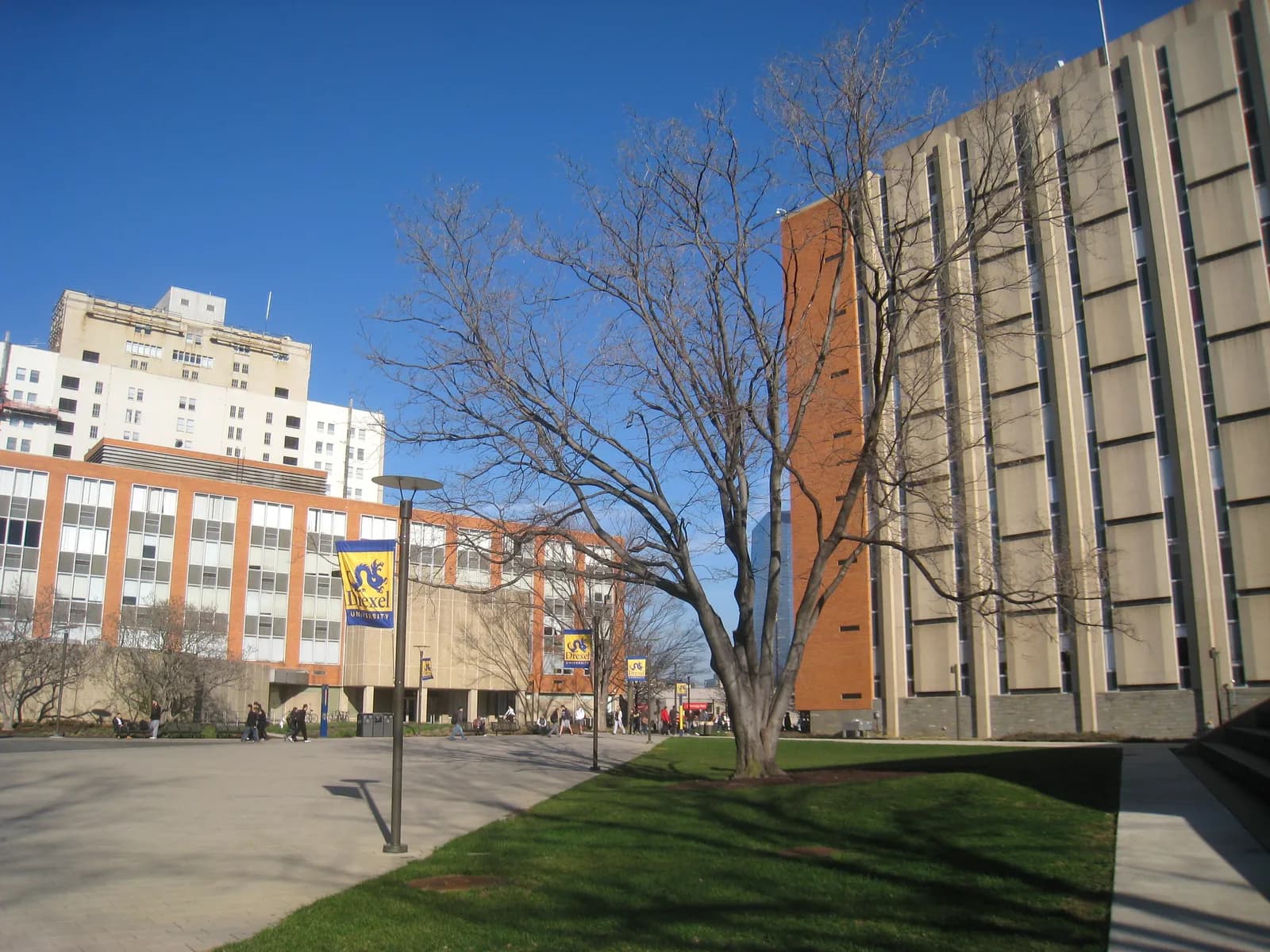
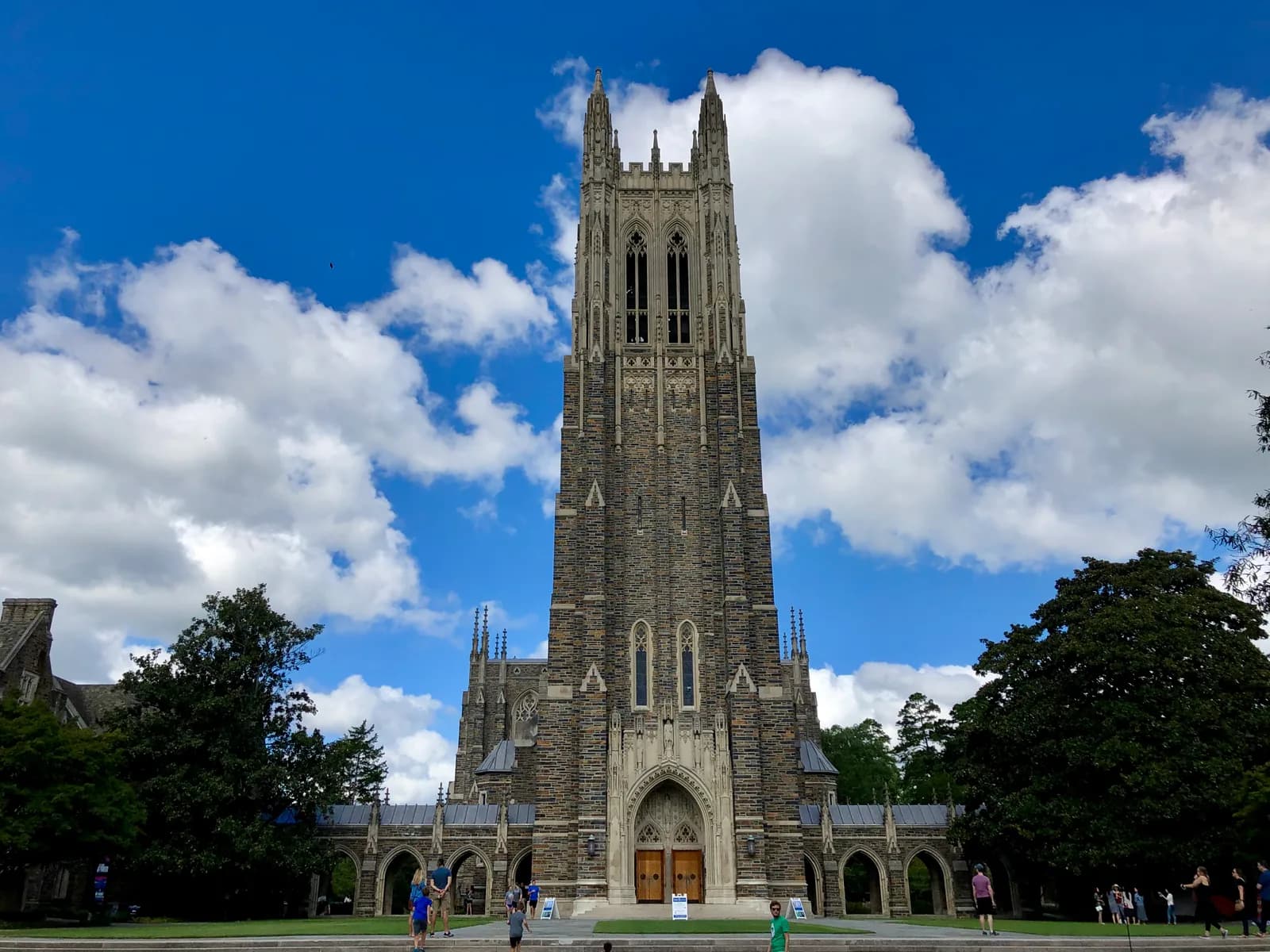
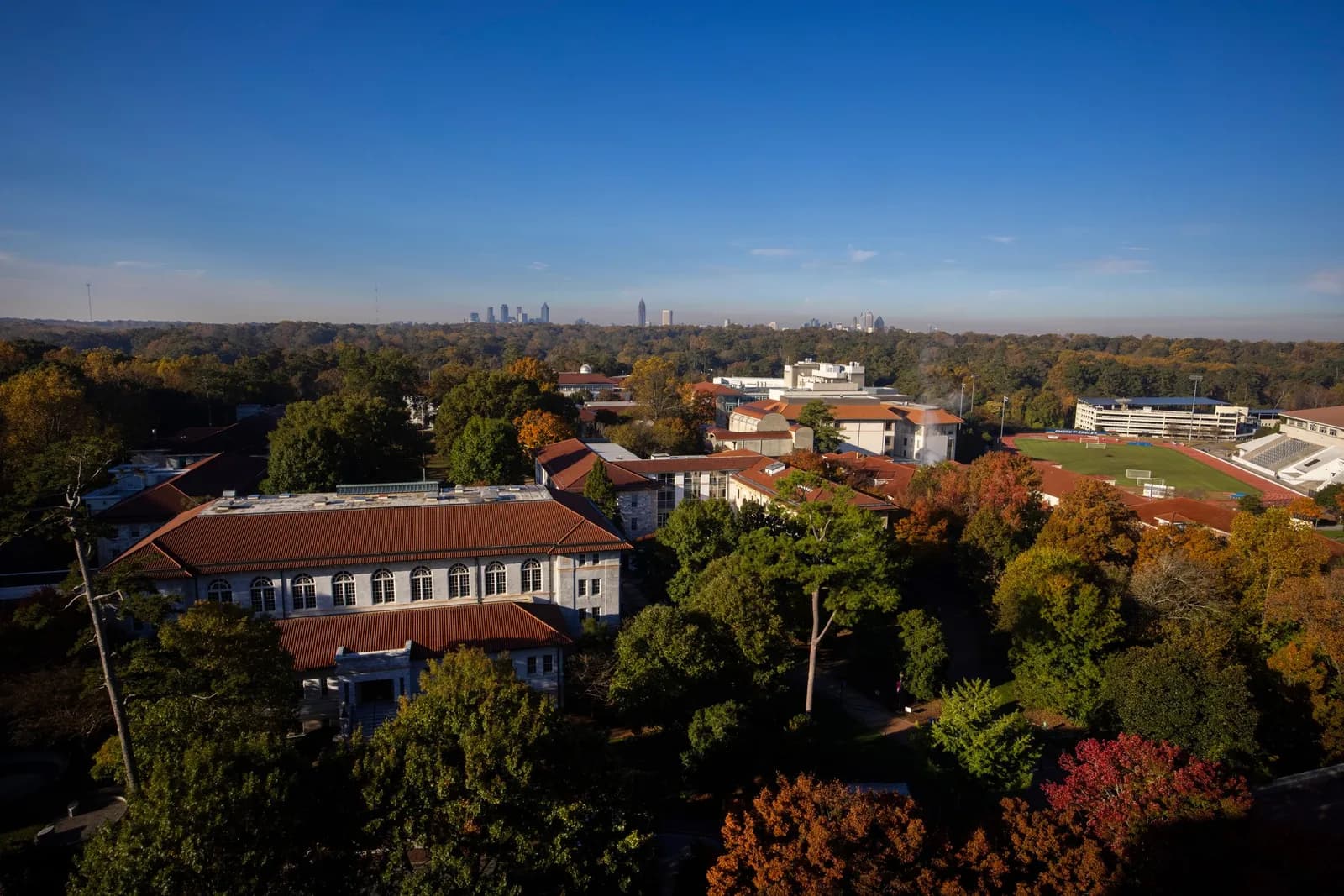
The University of Connecticut is a public research university founded in 1881 in Storrs, Connecticut, with additional campuses including Hartford, Stamford, Avery Point and Waterbury.


Storrs, Connecticut, United States
Public
1881
Bachelor's, Master's, Professional degree
The University of Connecticut is a public research university founded in 1881 in Storrs, Connecticut, with additional campuses including Hartford, Stamford, Avery Point and Waterbury. UConn offers more than 125 undergraduate majors and graduate and professional study across engineering, business, law, public health, policy, sciences and the humanities.
UConn's main campus is in Storrs, with additional study locations in Hartford, Stamford, Avery Point and Waterbury. The university lists 14 schools and colleges, more than 125 undergraduate majors, libraries, laboratories, research opportunities, residence halls and student services. Programme location and commuting arrangements vary by school.
UConn's main campus is in Storrs, with additional study locations in Hartford, Stamford, Avery Point and Waterbury. The university lists 14 schools and colleges, more than 125 undergraduate majors, libraries, laboratories, research opportunities, residence halls and student services. Programme location and commuting arrangements vary by school.
UConn publishes on-campus housing and dining rates through its residential and bursar systems. For 2026-27, the university's Storrs undergraduate estimate lists on-campus housing at USD 8,288 and a meal plan at USD 6,896 for the standard out-of-state budget; these are estimates and can vary by room, plan and campus. Graduate, law and online students should compare university and private housing separately. Confirm availability, contract dates, deposits and meal-plan terms before accepting an offer.
Admissions support
Get focused help with your application, documents and visa process. We will turn the information on this page into a practical next-step plan.
English
January, August
UConn's Storrs cost-of-attendance tables include a meal-plan line, while campus dining, grocery access and dietary accommodation are handled through university dining services and student support. Students with allergies, religious diets or other requirements should review current dining locations, ingredient information and accommodation procedures before arrival. A private or off-campus lease may require a separate food budget.
UConn operates campus public-safety, emergency, health and student-support services across its campuses. Students should save current emergency contacts, read campus alerts and confirm the safety procedures for their programme location. Housing, transport and late-night arrangements differ between Storrs and urban campuses; no university can guarantee individual safety.
International students in F-1 status must provide funding documents, attend mandatory orientation and physically check in with International Student and Scholar Services at the start of study. UConn's Graduate School and undergraduate admissions offices publish separate application routes, while programme departments control additional requirements. Students should use ISSS for current immigration and arrival instructions.
Talk to a student
These students studied here and can answer your real questions about academics, hostel life, and daily experience.
No student contacts listed yet for this university.
Request a student conversation
Share your details and we'll match you with a registered student who can answer your questions directly.
No reviews yet.
Be the first to share your experience at University of Connecticut.
Other universities in United States