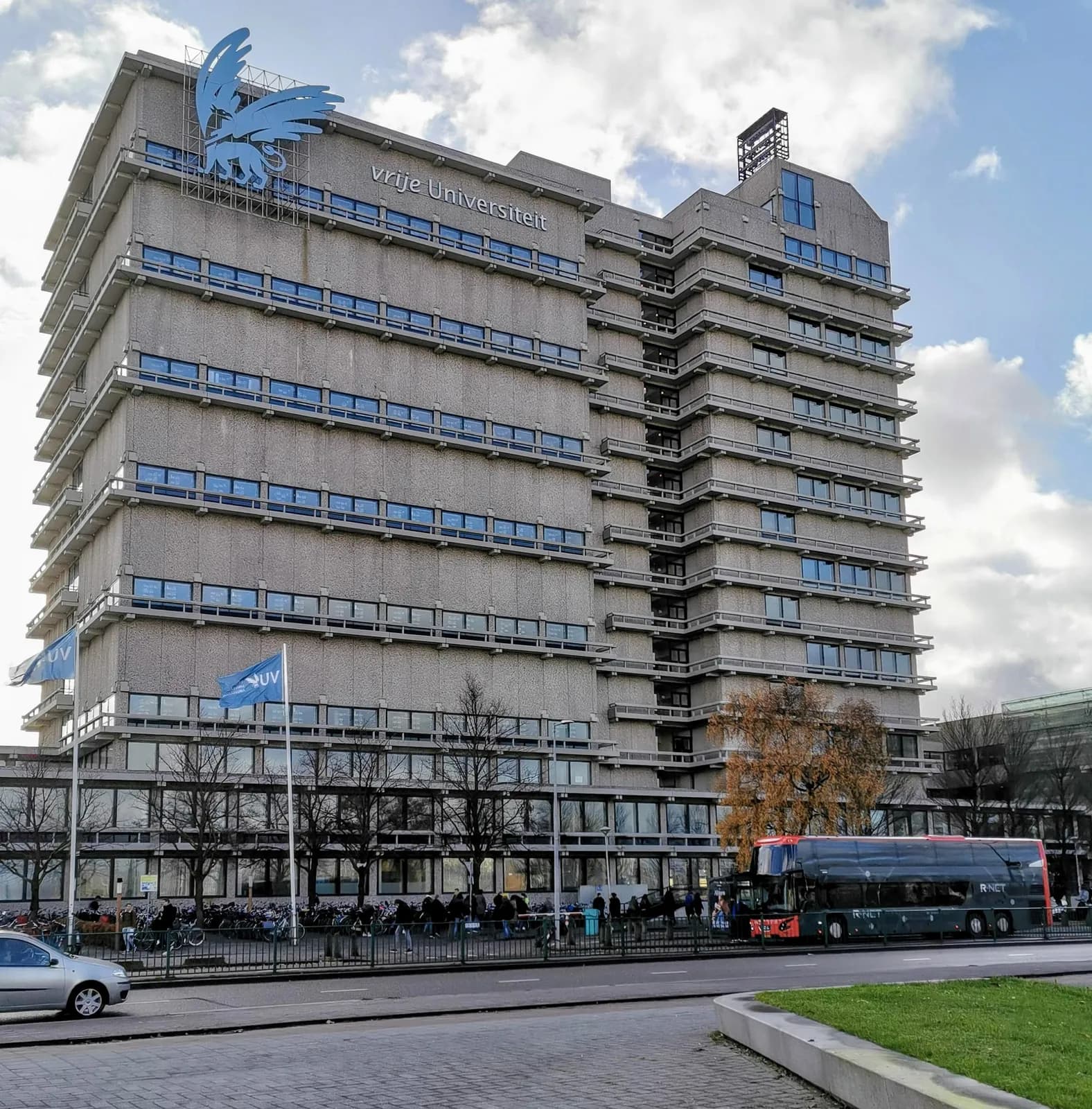
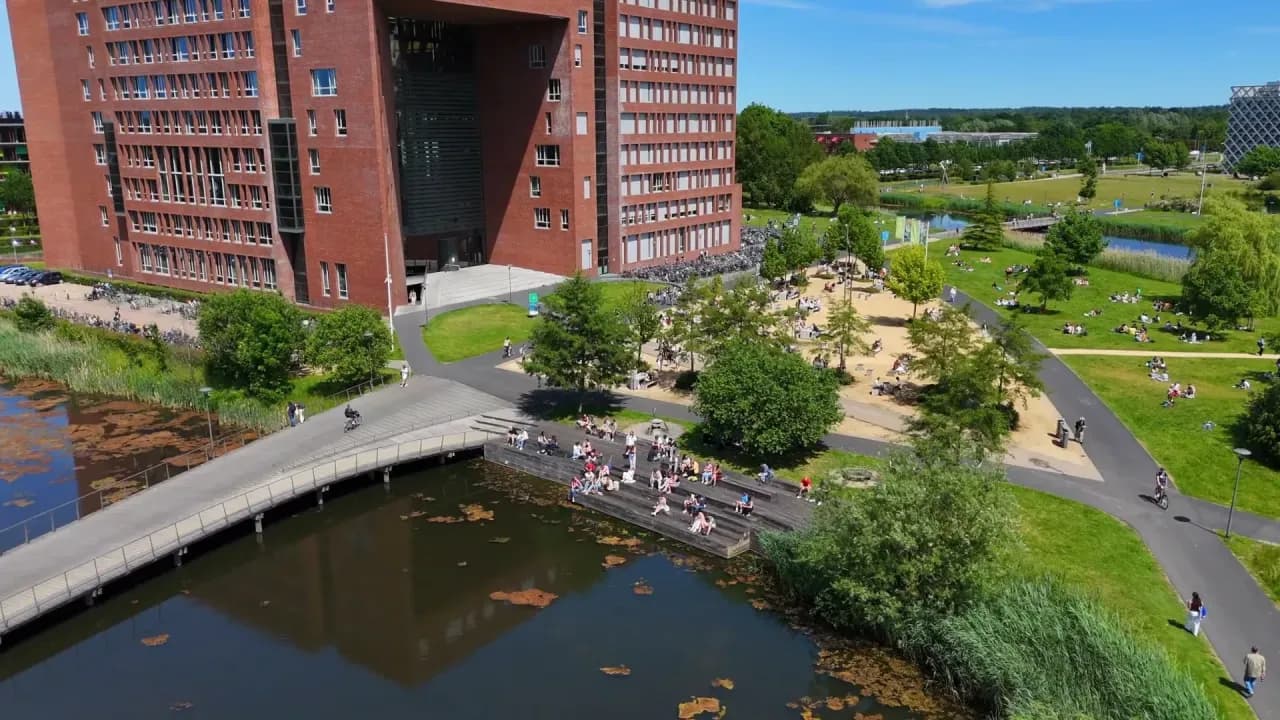
The University of Groningen is a public research university founded in 1614 in Groningen, Netherlands. Its 2025 figures report 45 bachelor's and 120 master's programmes, mostly English-taught, with 32,500 students and 8,500 international students.
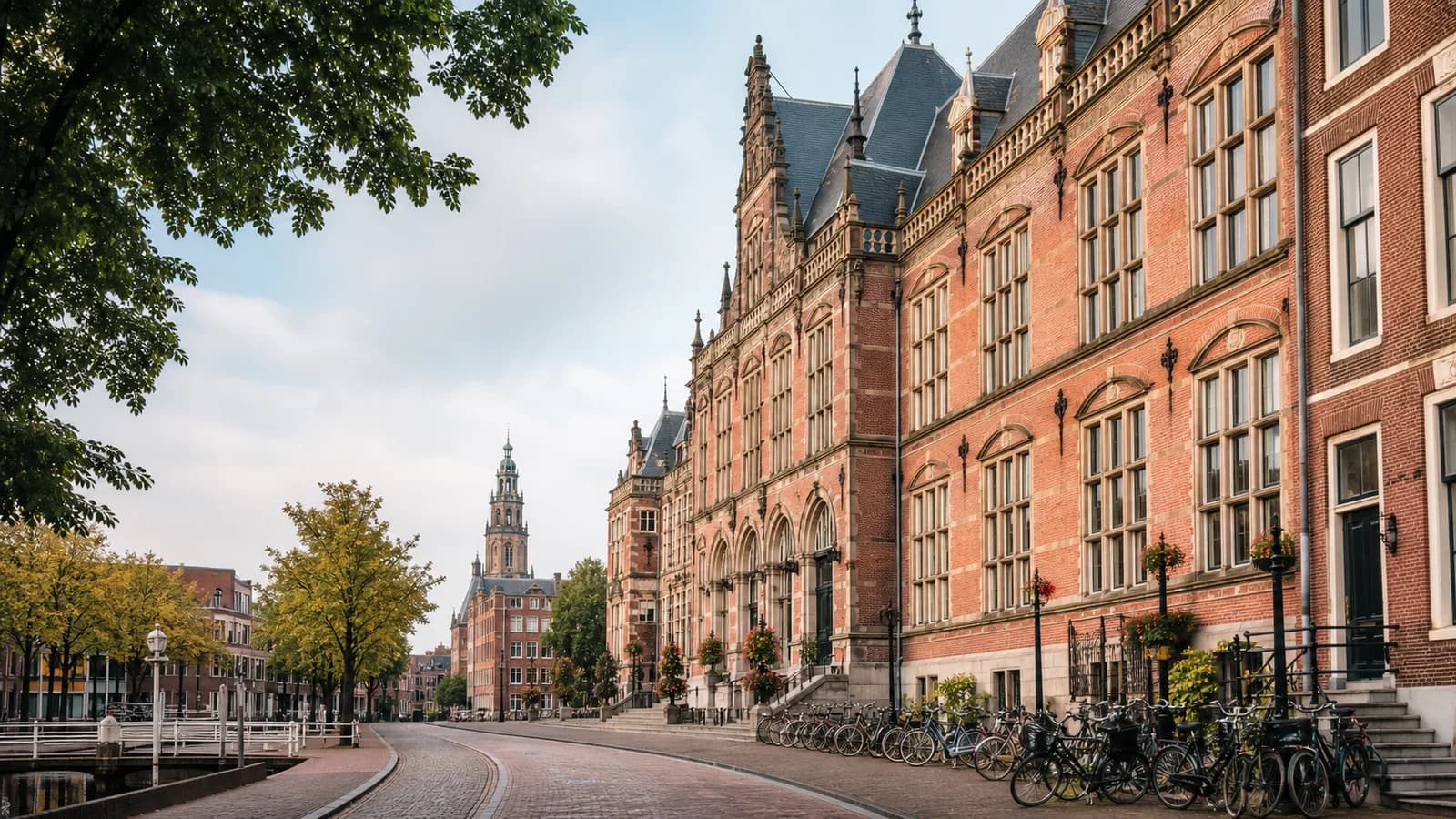

Groningen, Netherlands
Public
1614
Bachelor's, Master's
English
September
The University of Groningen is a public research university founded in 1614 in Groningen, Netherlands. Its 2025 figures report 45 bachelor's and 120 master's programmes, mostly English-taught, with 32,500 students and 8,500 international students. Students can compare science, computing, law, psychology, international relations and liberal-arts routes.
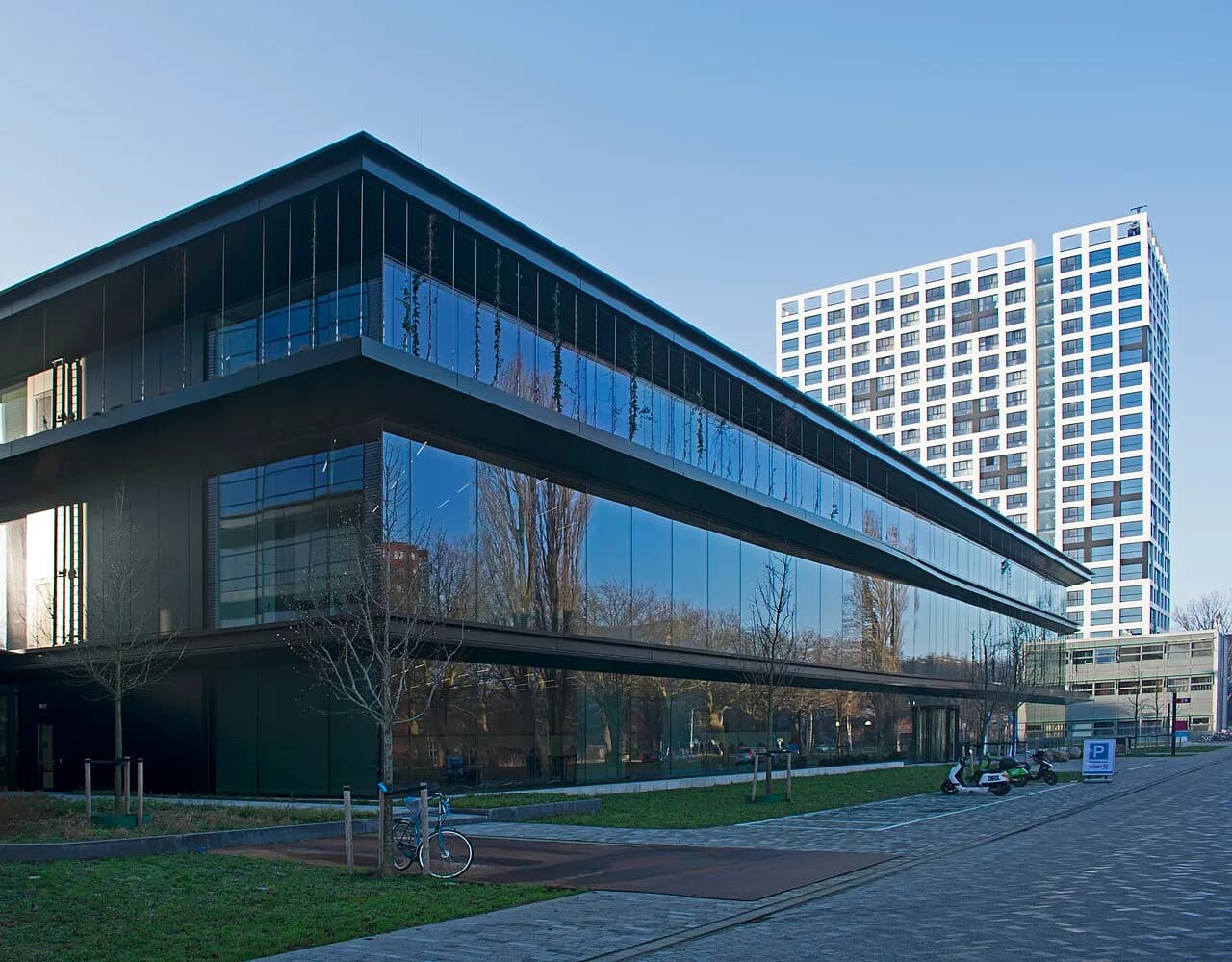
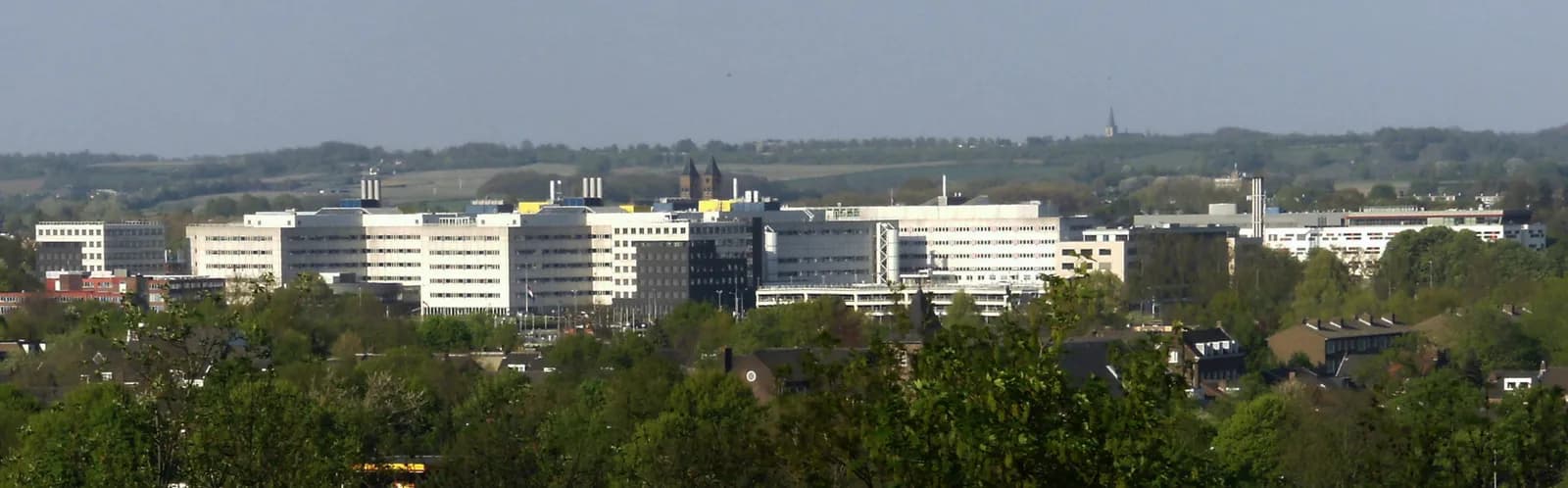
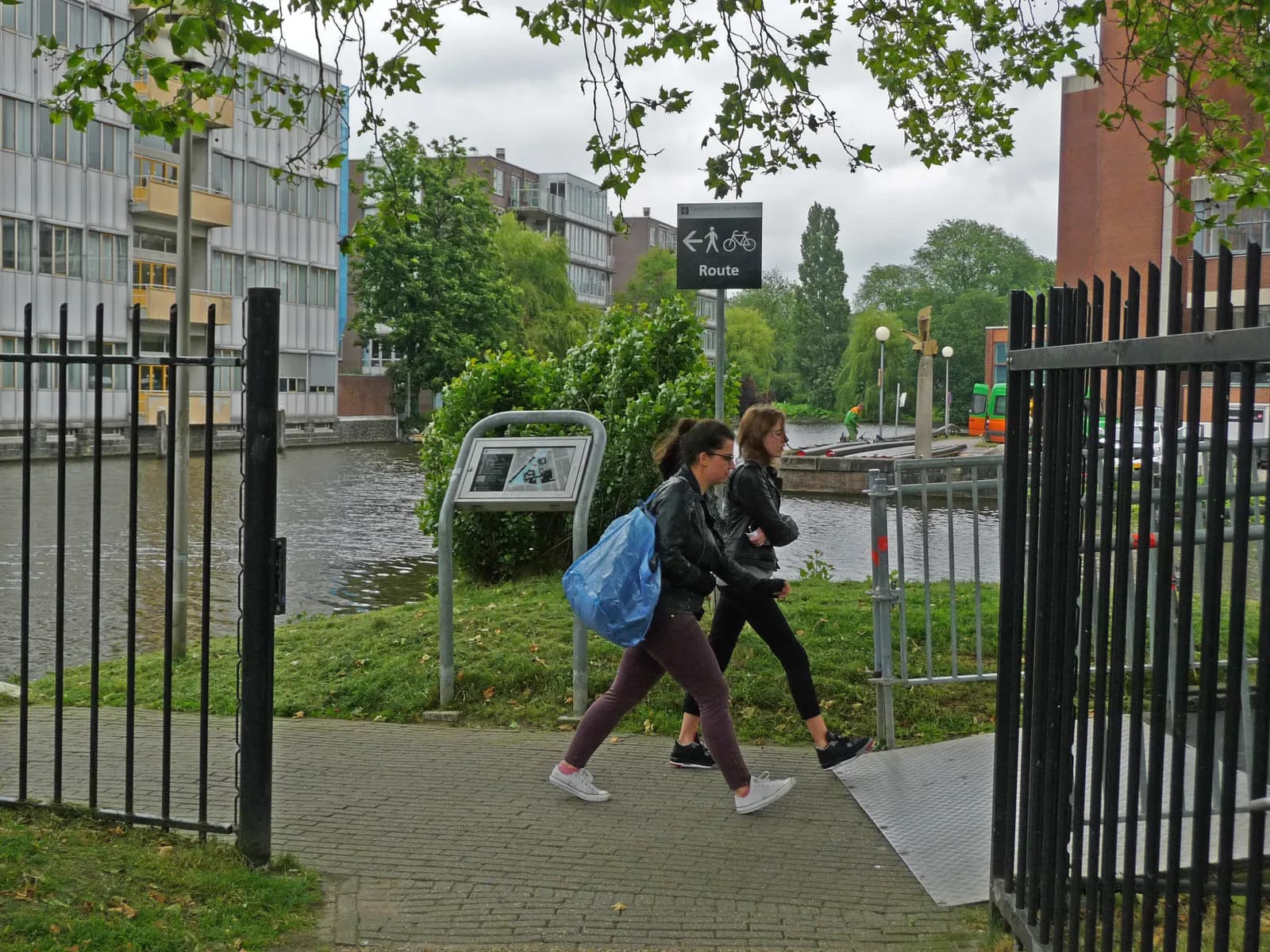
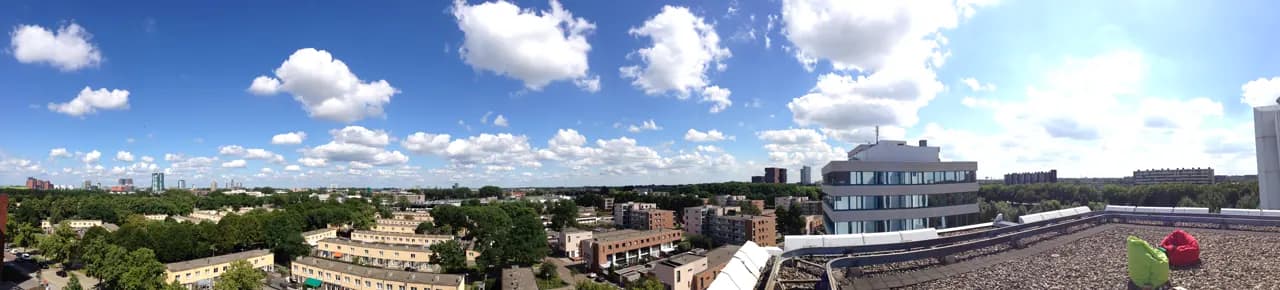
UG is organised across 11 faculties, with the city centre and Zernike Campus forming its main academic locations; Campus Fryslân adds a Leeuwarden location. The university reports 32,500 students, 26% international, and more than 120 nationalities. Facilities include University Library locations, faculty laboratories, the University Sports Centre and dedicated international-student services.
Open a programme for eligibility, tuition, curriculum and application planning.
BSc Biology
BSc Chemistry
BSc Mathematics
BSc Physics
BSc Psychology
LLB International and European Law
MSc Artificial Intelligence
MSc Biology
MSc Chemistry
MSc Computing Science
MSc Physics
MSc International Relations
MSc Psychology
UG is organised across 11 faculties, with the city centre and Zernike Campus forming its main academic locations; Campus Fryslân adds a Leeuwarden location. The university reports 32,500 students, 26% international, and more than 120 nationalities. Facilities include University Library locations, faculty laboratories, the University Sports Centre and dedicated international-student services.
UG's international application guide states that housing is not automatically provided and recommends arranging a room before arrival. Groningen has university-linked and private rental options, but availability is limited, so students should plan accommodation as soon as they accept an offer. Tuition is separate: for 2026-27, the university lists €2,694 statutory full-time tuition and higher university-fee categories for many non-EEA students.
Groningen has supermarkets, cafés and restaurants across the centre and near student areas, so students can self-cater and find varied dietary options. The university's practical arrival guidance should be checked for current campus food outlets, opening hours and allergy information rather than treating city availability as a guarantee.
Students should use the university's official support channels for urgent welfare, study or accessibility concerns and follow Dutch emergency guidance. The practical challenge most clearly highlighted in UG's international guide is housing scarcity; arrange accommodation early and verify any contract before paying.
UG directs international applicants through Studielink and its Progress Portal, with faculty admissions teams evaluating qualifications. The university provides international application guidance, student advisers, study associations and support services; applicants should use the exact checklist for their programme and nationality.
Admissions support
Get focused help with your application, documents and visa process. We will turn the information on this page into a practical next-step plan.
Talk to a student
These students studied here and can answer your real questions about academics, hostel life, and daily experience.
No student contacts listed yet for this university.
Request a student conversation
Share your details and we'll match you with a registered student who can answer your questions directly.
No reviews yet.
Be the first to share your experience at University of Groningen.
Other universities in Netherlands