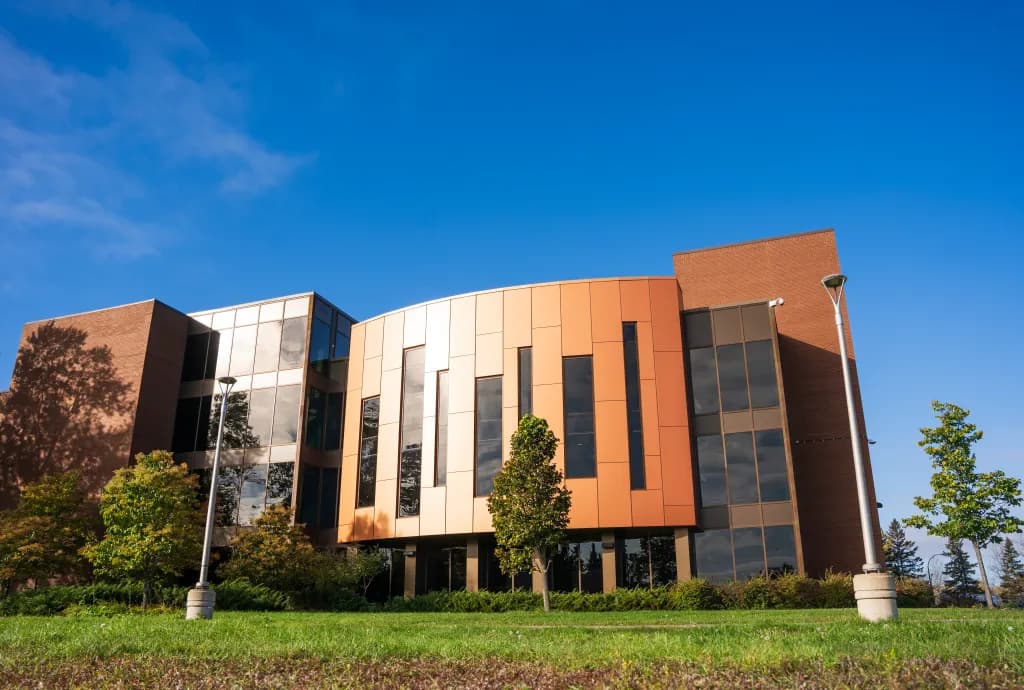
The University of Ottawa is a public bilingual research university founded in 1848 in Canada’s capital. Its 2026–27 catalogue spans undergraduate, graduate and doctoral study across Engineering, Science, Arts, Health Sciences, Law, Social Sciences, Education and Telfer School of Management, with English-,…


Fee plan on request
4 years
English / French
September
Ottawa, Canada
Public
The University of Ottawa is a public bilingual research university founded in 1848 in Canada’s capital. Its 2026–27 catalogue spans undergraduate, graduate and doctoral study across Engineering, Science, Arts, Health Sciences, Law, Social Sciences, Education and Telfer School of Management, with English-, French- and bilingual programme routes.
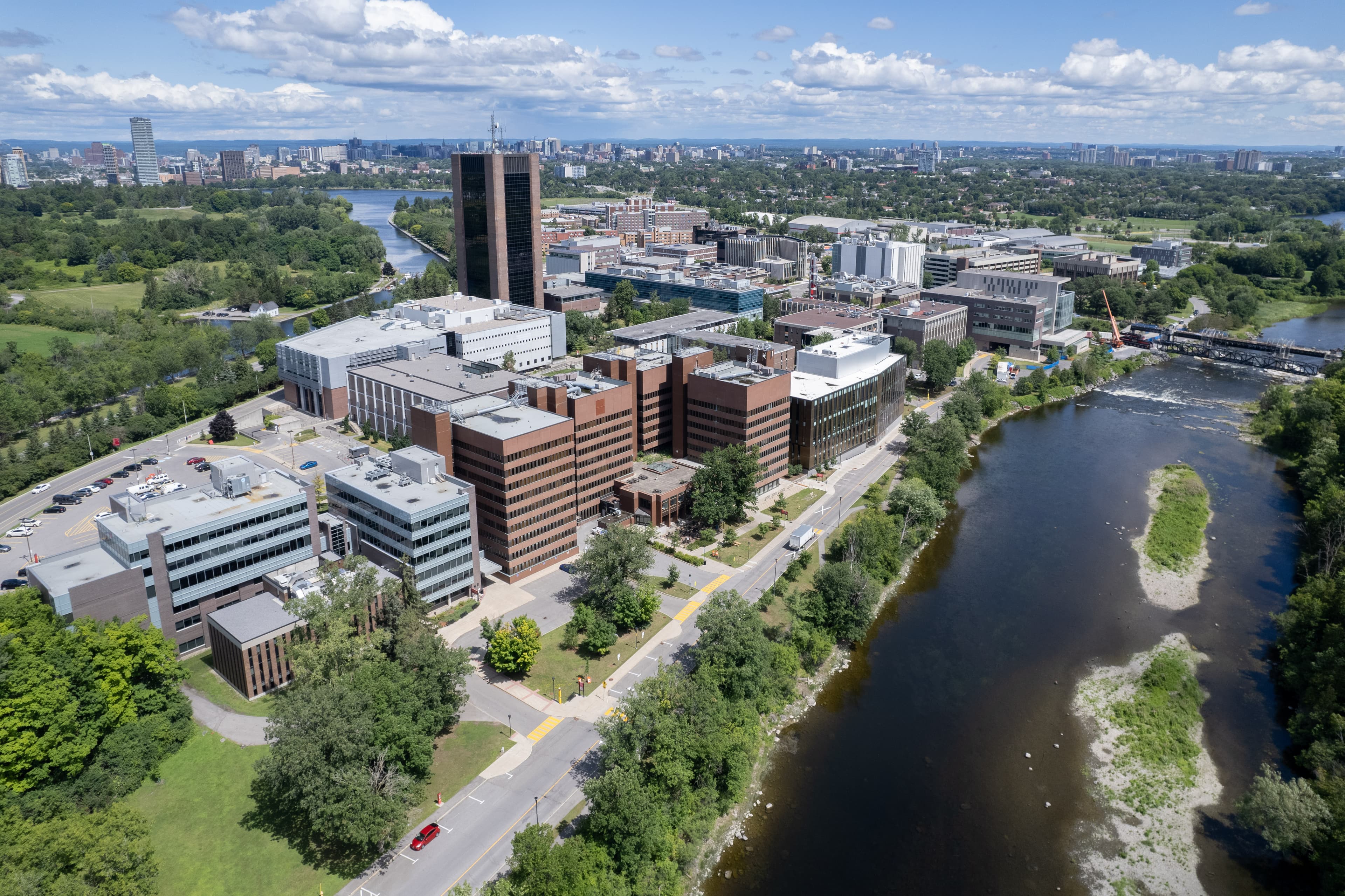
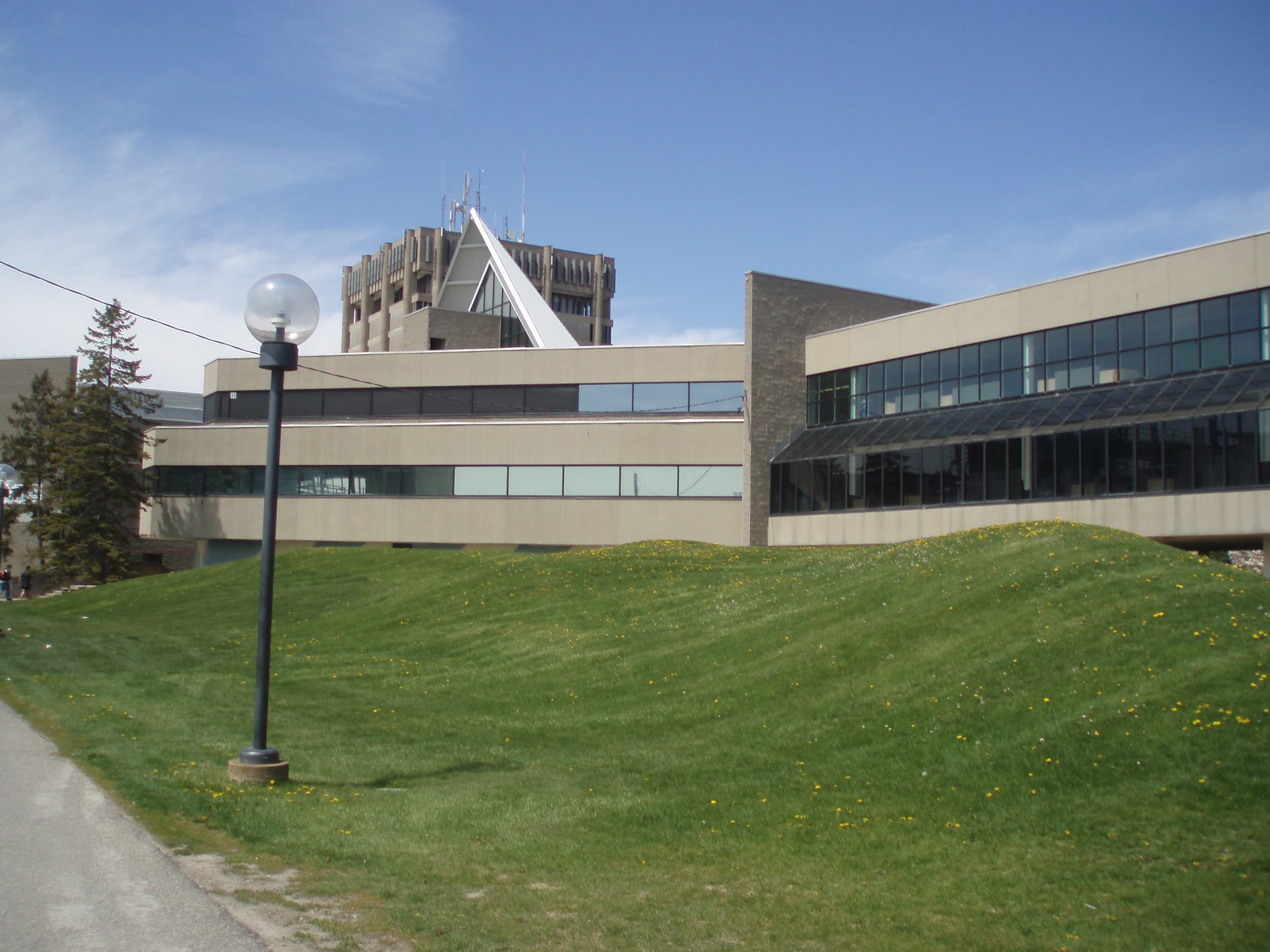
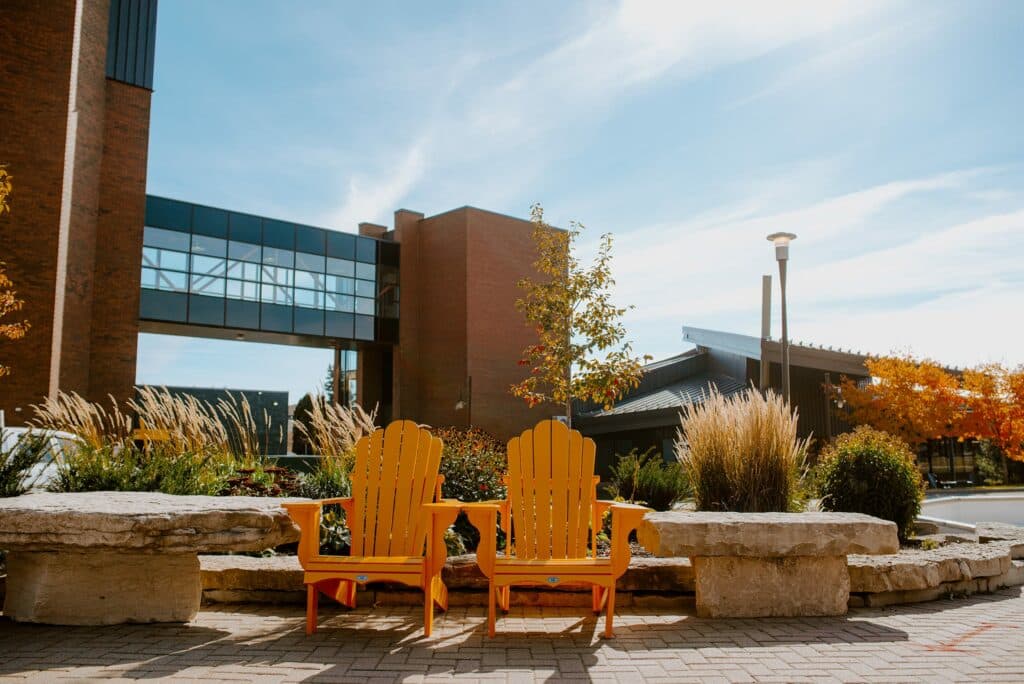
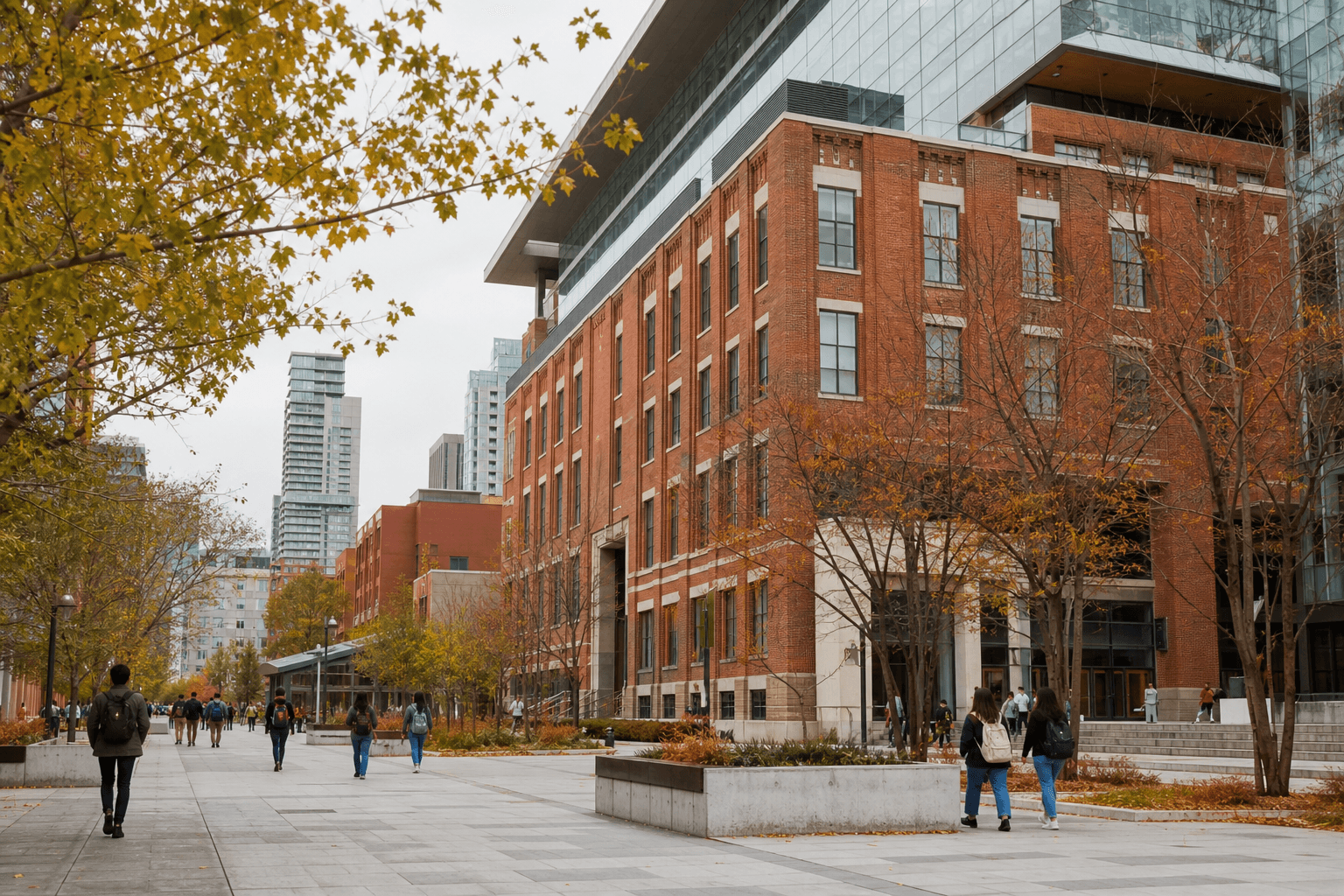
uOttawa’s main campus is in downtown Ottawa, close to Parliament Hill, the Rideau Canal and the city’s public-transit network. The official catalogue is organised across ten faculties, including Engineering, Science, Health Sciences, Arts, Education, both Law sections, Social Sciences and Telfer School of Management. Students can combine disciplines, choose co-op or French immersion in eligible undergraduate programmes, and use libraries, laboratories, teaching clinics, student clubs and campus services in an urban capital-city setting.
Open a programme profile for eligibility, tuition, curriculum and application planning.
Practical information about day-to-day life while pursuing this program at University of Ottawa in Ottawa, the country. This covers the campus environment, accommodation, daily living and available safety and student-support services.
uOttawa’s main campus is in downtown Ottawa, close to Parliament Hill, the Rideau Canal and the city’s public-transit network. The official catalogue is organised across ten faculties, including Engineering, Science, Health Sciences, Arts, Education, both Law sections, Social Sciences and Telfer School of Management. Students can combine disciplines, choose co-op or French immersion in eligible undergraduate programmes, and use libraries, laboratories, teaching clinics, student clubs and campus services in an urban capital-city setting.
uOttawa provides residence options and housing guidance, but there is no single university-wide living-cost figure for every room type or lease. Applicants should compare residence and private rental costs for the academic year, then add food, utilities, internet, transport, books, winter clothing and insurance. Residence availability, room categories and rates change by intake; use the university’s current housing and fees pages before accepting an offer.
Admissions support
Get focused help with your application, documents and visa process. We will turn the information on this page into a practical next-step plan.
The University of Ottawa is a public bilingual research university founded in 1848 in Canada’s capital. Its 2026–27 catalogue spans undergraduate, graduate and doctoral study across Engineering, Science, Arts, Health Sciences, Law, Social Sciences, Education and Telfer School of Management, with English-,…
Fee plan on request
4 years
English / French
September
Ottawa, Canada
Public
The University of Ottawa is a public bilingual research university founded in 1848 in Canada’s capital. Its 2026–27 catalogue spans undergraduate, graduate and doctoral study across Engineering, Science, Arts, Health Sciences, Law, Social Sciences, Education and Telfer School of Management, with English-, French- and bilingual programme routes.
uOttawa’s main campus is in downtown Ottawa, close to Parliament Hill, the Rideau Canal and the city’s public-transit network. The official catalogue is organised across ten faculties, including Engineering, Science, Health Sciences, Arts, Education, both Law sections, Social Sciences and Telfer School of Management. Students can combine disciplines, choose co-op or French immersion in eligible undergraduate programmes, and use libraries, laboratories, teaching clinics, student clubs and campus services in an urban capital-city setting.
Open a programme profile for eligibility, tuition, curriculum and application planning.
Practical information about day-to-day life while pursuing this program at University of Ottawa in Ottawa, the country. This covers the campus environment, accommodation, daily living and available safety and student-support services.
uOttawa’s main campus is in downtown Ottawa, close to Parliament Hill, the Rideau Canal and the city’s public-transit network. The official catalogue is organised across ten faculties, including Engineering, Science, Health Sciences, Arts, Education, both Law sections, Social Sciences and Telfer School of Management. Students can combine disciplines, choose co-op or French immersion in eligible undergraduate programmes, and use libraries, laboratories, teaching clinics, student clubs and campus services in an urban capital-city setting.
uOttawa provides residence options and housing guidance, but there is no single university-wide living-cost figure for every room type or lease. Applicants should compare residence and private rental costs for the academic year, then add food, utilities, internet, transport, books, winter clothing and insurance. Residence availability, room categories and rates change by intake; use the university’s current housing and fees pages before accepting an offer.
Admissions support
Get focused help with your application, documents and visa process. We will turn the information on this page into a practical next-step plan.
Ottawa has supermarkets, cafés and restaurants serving varied dietary, religious and cultural needs, with additional choice in nearby Vanier, Sandy Hill, Chinatown and Gatineau. On-campus food options and residence meal arrangements vary by location and plan. Students with allergies, religious requirements or medical dietary needs should confirm accommodation processes with Housing and Food Services before arrival rather than assuming that a particular plan is included.
uOttawa provides campus safety, emergency and student-support services in the centre of Ottawa. Students should use the university’s current emergency contacts, residence procedures and international-student guidance, while also following ordinary urban safety practices for housing, transit and winter travel. No university or city can guarantee individual safety; current advice and emergency procedures should be checked before and after arrival. International applicants use uOttawa’s admissions and study guidance, while enrolled students can access faculty advising, the International Office, academic support, health and wellness services, libraries, accessibility services, career services and co-op where eligible. The university’s bilingual setting means students should confirm the language of instruction, assessment and support for each programme. After an offer, international students must plan for the study permit, provincial attestation process where applicable, insurance, housing and registration deadlines.
Ottawa has supermarkets, cafés and restaurants serving varied dietary, religious and cultural needs, with additional choice in nearby Vanier, Sandy Hill, Chinatown and Gatineau. On-campus food options and residence meal arrangements vary by location and plan. Students with allergies, religious requirements or medical dietary needs should confirm accommodation processes with Housing and Food Services before arrival rather than assuming that a particular plan is included.
uOttawa provides campus safety, emergency and student-support services in the centre of Ottawa. Students should use the university’s current emergency contacts, residence procedures and international-student guidance, while also following ordinary urban safety practices for housing, transit and winter travel. No university or city can guarantee individual safety; current advice and emergency procedures should be checked before and after arrival. International applicants use uOttawa’s admissions and study guidance, while enrolled students can access faculty advising, the International Office, academic support, health and wellness services, libraries, accessibility services, career services and co-op where eligible. The university’s bilingual setting means students should confirm the language of instruction, assessment and support for each programme. After an offer, international students must plan for the study permit, provincial attestation process where applicable, insurance, housing and registration deadlines.
No reviews yet.
Be the first to share your experience at University of Ottawa.
No reviews yet.
Be the first to share your experience at University of Ottawa.
Talk to a student
These students studied here and can answer your real questions about academics, hostel life, and daily experience.
No student contacts listed yet for this university.
Request a student conversation
Share your details and we'll match you with a registered student who can answer your questions directly.
Talk to a student
These students studied here and can answer your real questions about academics, hostel life, and daily experience.
No student contacts listed yet for this university.
Request a student conversation
Share your details and we'll match you with a registered student who can answer your questions directly.