University of RochesterRochester, New York, United StatesB.E./B.Tech Biomedical · Private$71,750/yrABET Engineering Accreditation Commission — Biomedical Engineering BS
B.E./B.Tech Biomedical at University of Rochester — 12 questions answered
These are the most common questions Indian students and families ask before applying for B.E./B.Tech Biomedical at University of Rochester, Rochester, New York. Covering admissions, fees, recognition, eligibility, hostel, career outcomes, and the India-return pathway — everything you need before making your decision.
Is the University of Rochester public or private?
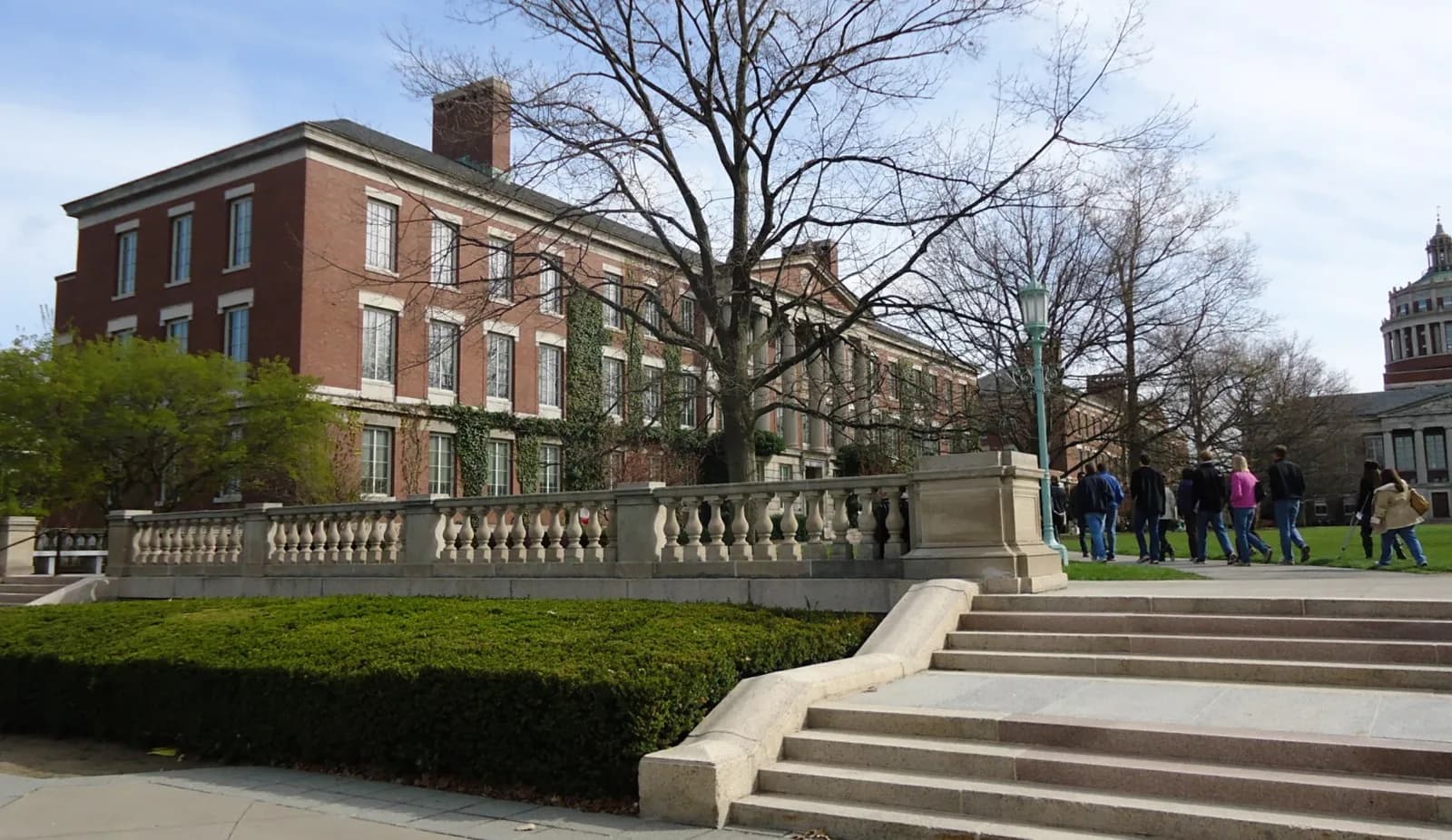
It is a private research university in Rochester, New York, founded in 1850. Its main River Campus includes Arts, Sciences & Engineering, while Simon Business School and the University of Rochester Medical Center add specialist graduate and professional settings.
What language are Rochester programmes taught in?
The published programmes in this catalogue are taught in English. International applicants must provide official English-proficiency evidence or qualify for a current waiver; the undergraduate admissions page lists DET, IELTS and TOEFL options and current recommended scores.
Can international students apply directly after secondary school?
Yes, international first-year applicants can apply through the Common Application or Coalition/Scoir with school records, recommendations, financial-aid documents where relevant and English-proficiency evidence. Individual majors may have prerequisites or later declaration steps, so admission should not be read as automatic major completion.
How much does undergraduate study cost?
For 2026–27, Rochester lists $71,750 tuition and $1,622 mandatory fees. Its residential cost-of-attendance estimate totals $96,022 after housing, daily living, transport and personal expenses; international students should confirm any higher travel allowance and current billed charges.
How do I apply to an undergraduate programme?
International first-year applicants use the Common Application or Coalition/Scoir. The university requires secondary-school records, recommendations and official English-proficiency results or a waiver request; transfer applicants have additional college-transcript requirements.
What English-test scores does Rochester recommend?
The current undergraduate international-admissions page recommends DET 130, IELTS 7.5 or TOEFL iBT 100 on the former scale, with the new TOEFL scale also noted. Applicants outside those ranges may still apply, and the university may place some students in its English for Academic Purposes Program.
Does Biomedical Engineering have practical training?
Yes. The BS in Biomedical Engineering includes a required year-long senior design programme in which students develop prototypes for real organisations, with proposal, prototype, client-review, testing and Design Day stages. The department also describes internships, research and Hajim co-op opportunities.
When do the main graduate programmes start?
The Simon MS in Finance page lists an August programme start, while the exact start date and intake calendar vary across the MS, MBA and computer science programmes. Applicants should use the current official programme page and application portal for the intake they are targeting.
Are scholarships available?
Rochester states that all undergraduate applicants are considered for merit scholarships and that it meets demonstrated need for admitted students under its published policy. Simon reports merit-based scholarship support for many MBA and MS students, but awards depend on the programme and applicant profile.
What recognition does Biomedical Engineering have?
Rochester states that its Biomedical Engineering BS is accredited by the Engineering Accreditation Commission of ABET and registered with the New York State Education Department as a professional engineering programme. Students should check the current regulator and home-country requirements before relying on any professional pathway.
What accommodation budget should students plan for?
Rochester's 2026–27 undergraduate estimate uses $12,822 for residential housing and $8,506 for daily living; off-campus planning figures are $5,716 and $6,670. Simon publishes separate graduate estimates, so students should not transfer undergraduate housing figures to a graduate budget.
Why compare Rochester with another US university?
Rochester may suit students who value flexible undergraduate planning, research access and close links between computing, engineering, medicine and business. A comparison should still test total cost, major prerequisites, location, programme length, funding and the exact English-proficiency and visa requirements.
Applying to University of Rochester?
Students Traffic verifies seat availability, checks current recognition status, and prepares your complete application for University of Rochester. The consultation is free.