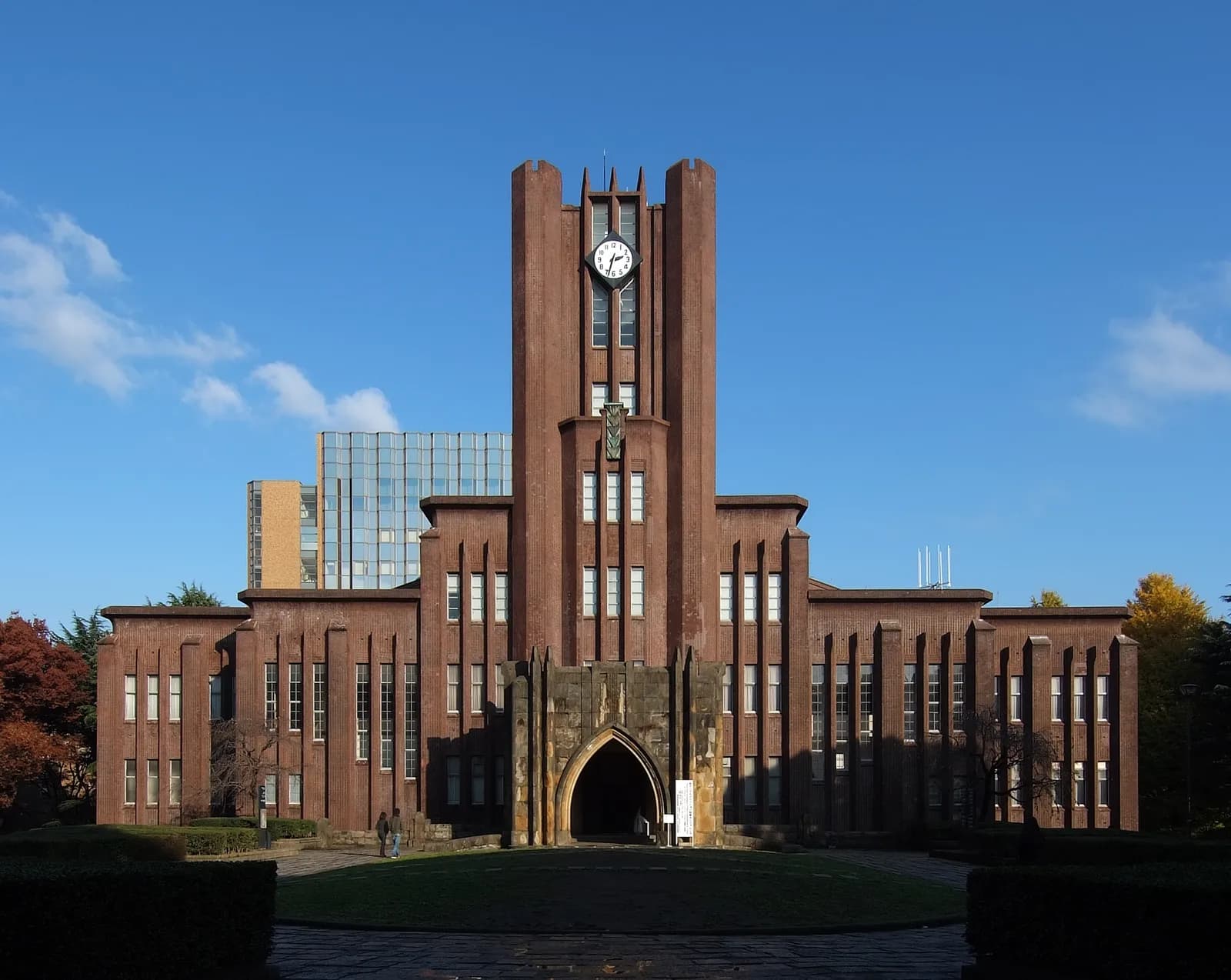
The University of TokyoTokyo, JapanM.E./M.Tech Mechanical · PublicJP¥5,35,800/yrNational university of Japan under the Ministry of Education, Culture, Sports, Science and Technology (MEXT)
M.E./M.Tech Mechanical at The University of Tokyo — 12 questions answered
These are the most common questions Indian students and families ask before applying for M.E./M.Tech Mechanical at The University of Tokyo, Tokyo. Covering admissions, fees, recognition, eligibility, hostel, career outcomes, and the India-return pathway — everything you need before making your decision.
Is The University of Tokyo public or private?
It is a national university in Japan, founded in 1877. Its public-university status does not remove the need to pay the published admission, examination and tuition fees.
Are UTokyo programmes taught in English?
Some are, but language depends on the programme. PEAK is an English-medium undergraduate route, GSC is an English-medium transfer route, and UTokyo lists selected graduate degrees in English; many regular programmes are Japanese-medium or have Japanese requirements.
Can an international student apply straight after secondary school?
Potentially, but the route matters. PEAK is a distinct first-year English-medium route, while regular undergraduate admission has its own examination and eligibility rules; GSC requires at least two years of undergraduate study outside Japan before transfer.
What are the current UTokyo tuition fees?
For the published 2026 schedule, undergraduate admission is ¥282,000 and annual undergraduate tuition is ¥642,960. Graduate admission is generally ¥282,000, with annual tuition of ¥535,800 for master's and ¥520,800 for doctoral programmes, while Law is listed at ¥804,000 annually; verify the faculty's current notice.
How do international applicants apply?
Applicants use the official undergraduate or graduate-school route for the chosen programme. UTokyo directs undergraduate applicants to its admissions pages and graduate applicants to the relevant graduate school, where documents, examinations, language evidence and supervisor procedures can differ.
Which English undergraduate options are available?
UTokyo's official English undergraduate page identifies PEAK's International Program on Japan in East Asia and International Program on Environmental Sciences, plus the Global Science Course. PEAK is open to students educated in languages other than Japanese; GSC is a third-year transfer route.
Does UTokyo require Japanese language ability?
Not for every programme. PEAK requires no Japanese knowledge for admission and is generally taught in English, while GSC is English-medium; regular programmes and some graduate departments state Japanese requirements, so applicants must read the exact faculty guide.
What graduate options are available in English?
UTokyo publishes a current list of graduate degrees offered in English, including global health, engineering and public-policy routes among others. The list identifies degree level and intake, but applicants still need the department's own eligibility, examination and supervisor instructions.
Are scholarships or fee exemptions available?
UTokyo publishes tuition and admission-fee exemption information, and national MEXT and other scholarship routes exist. Exemptions are screened, budgets are limited and approval is not guaranteed; GSC separately states its transfer students receive a monthly scholarship and supported accommodation.
How much should students budget for living costs?
Japan's official study portal separates housing, commuting, daily living, utilities, insurance, textbooks and other costs, and reports that Tokyo housing is higher than the national average. Build a Tokyo-specific budget and confirm residence pricing before enrolment.
Can medical or pharmacy graduates practise in another country automatically?
No. UTokyo's academic award does not itself guarantee professional registration abroad. Medical and pharmacy applicants must check the destination regulator's current recognition, licensing, language and examination rules before applying.
What is the main difference between PEAK, GSC and regular admission?
PEAK is a first-year English-medium undergraduate route with two programmes and a stated 2026 endpoint for new admission. GSC is an English-medium third-year transfer route requiring at least two years of overseas undergraduate study. Regular faculties use their own admissions and language arrangements, commonly including Japanese-medium study.
Applying to The University of Tokyo?
Students Traffic verifies seat availability, checks current recognition status, and prepares your complete application for The University of Tokyo. The consultation is free.