Deggendorf Institute of Technology (DIT) — Technische Hochschule Deggendorf — is a public Bavarian university of applied sciences founded in 1994, with ~9,000 students and 41%+ international students from 100+ countries, making it Bavaria's most international university. The BSc Nursing (International) programme — B.Sc. Pflege (International) — is delivered by the Faculty of Applied Healthcare Sciences and is one of the very few nursing degrees in Germany that admits students with English B2 and only A1 German: Semesters 1–3 are taught in English with 8 hours/week of German class built into the curriculum (A2 in Semester 1, B1 in Semester 2, B2 in Semester 3), and Semesters 4–8 transition fully to German. This makes DIT the most accessible German nursing route for Indian students who have not yet invested in 18–24 months of German preparation. The programme is 8 semesters (4 years, 240 ECTS), starts in March (Summer Semester only), and applies via DIT's own Primuss portal — NOT uni-assist. Tuition is EUR 0 (zero); non-EU students pay EUR 582/semester in service and union fees (EUR 4,656 total for 4 years). A training contract (Ausbildungsvertrag) with a DIT partner hospital or care facility is mandatory before starting. Under the Pflegestudiumstärkungsgesetz (Nursing Degree Strengthening Act 2023), students with training contracts receive a legally mandated monthly training stipend (EUR 400–800) from partner institutions — earn while you study. Graduates receive both a BSc degree AND a state nursing licence (Berufserlaubnis als Pflegefachkraft) authorising immediate nursing practice across Germany and all 27 EU member states. Total 4-year cost including all fees and living costs: approximately INR 40–51 lakh — 3–4 times cheaper than Canada nursing. APS Certificate is required for the student visa (not for the Primuss application). CRITICAL NOTE for Indian students: Indian Class 12 (12 years) is generally NOT directly equivalent to German Abitur (13 years); most Indian students must complete at least 1 year of a Bachelor's degree in India first, then apply to DIT.
Check official fee
4 years
English then German
March
Deggendorf, Germany
Public
Deggendorf Institute of Technology (DIT) — Technische Hochschule Deggendorf — is a public Bavarian university of applied sciences founded in 1994, with ~9,000 students and 41%+ international students from 100+ countries, making it Bavaria's most international university. The BSc Nursing (International) programme — B.Sc. Pflege (International) — is delivered by the Faculty of Applied Healthcare Sciences and is one of the very few nursing degrees in Germany that admits students with English B2 and only A1 German: Semesters 1–3 are taught in English with 8 hours/week of German class built into the curriculum (A2 in Semester 1, B1 in Semester 2, B2 in Semester 3), and Semesters 4–8 transition fully to German. This makes DIT the most accessible German nursing route for Indian students who have not yet invested in 18–24 months of German preparation. The programme is 8 semesters (4 years, 240 ECTS), starts in March (Summer Semester only), and applies via DIT's own Primuss portal — NOT uni-assist. Tuition is EUR 0 (zero); non-EU students pay EUR 582/semester in service and union fees (EUR 4,656 total for 4 years). A training contract (Ausbildungsvertrag) with a DIT partner hospital or care facility is mandatory before starting. Under the Pflegestudiumstärkungsgesetz (Nursing Degree Strengthening Act 2023), students with training contracts receive a legally mandated monthly training stipend (EUR 400–800) from partner institutions — earn while you study. Graduates receive both a BSc degree AND a state nursing licence (Berufserlaubnis als Pflegefachkraft) authorising immediate nursing practice across Germany and all 27 EU member states. Total 4-year cost including all fees and living costs: approximately INR 40–51 lakh — 3–4 times cheaper than Canada nursing. APS Certificate is required for the student visa (not for the Primuss application). CRITICAL NOTE for Indian students: Indian Class 12 (12 years) is generally NOT directly equivalent to German Abitur (13 years); most Indian students must complete at least 1 year of a Bachelor's degree in India first, then apply to DIT.
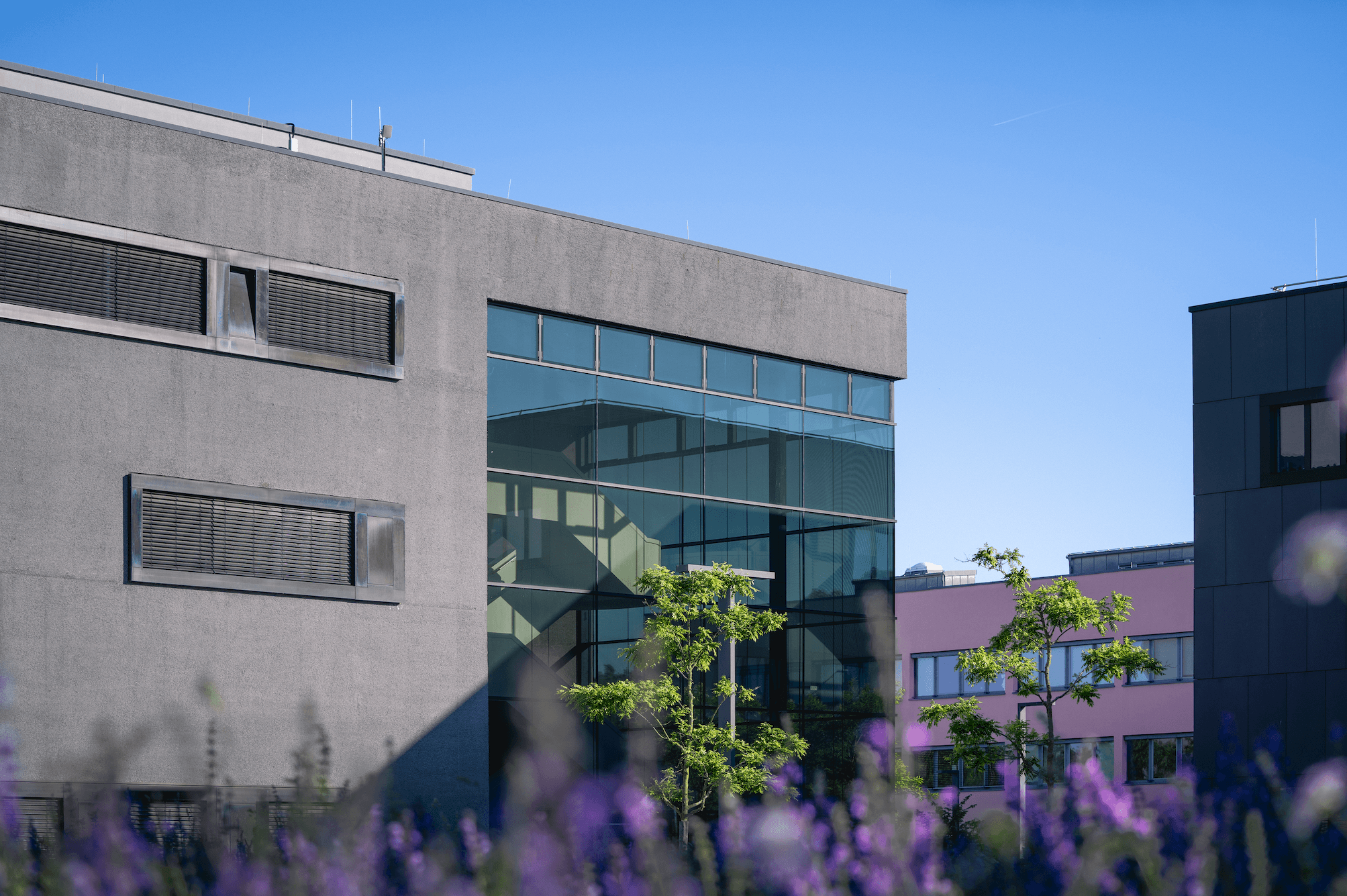
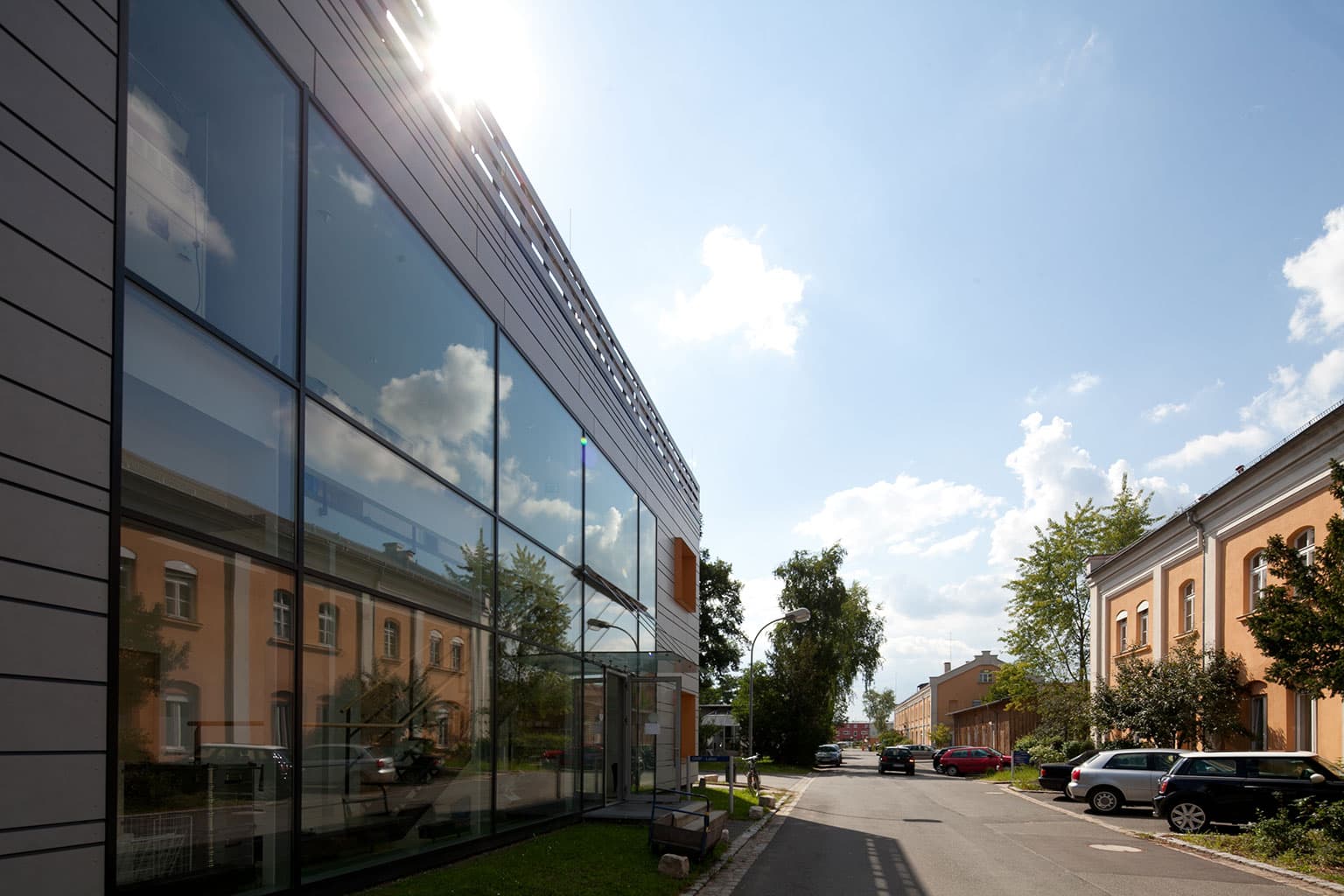
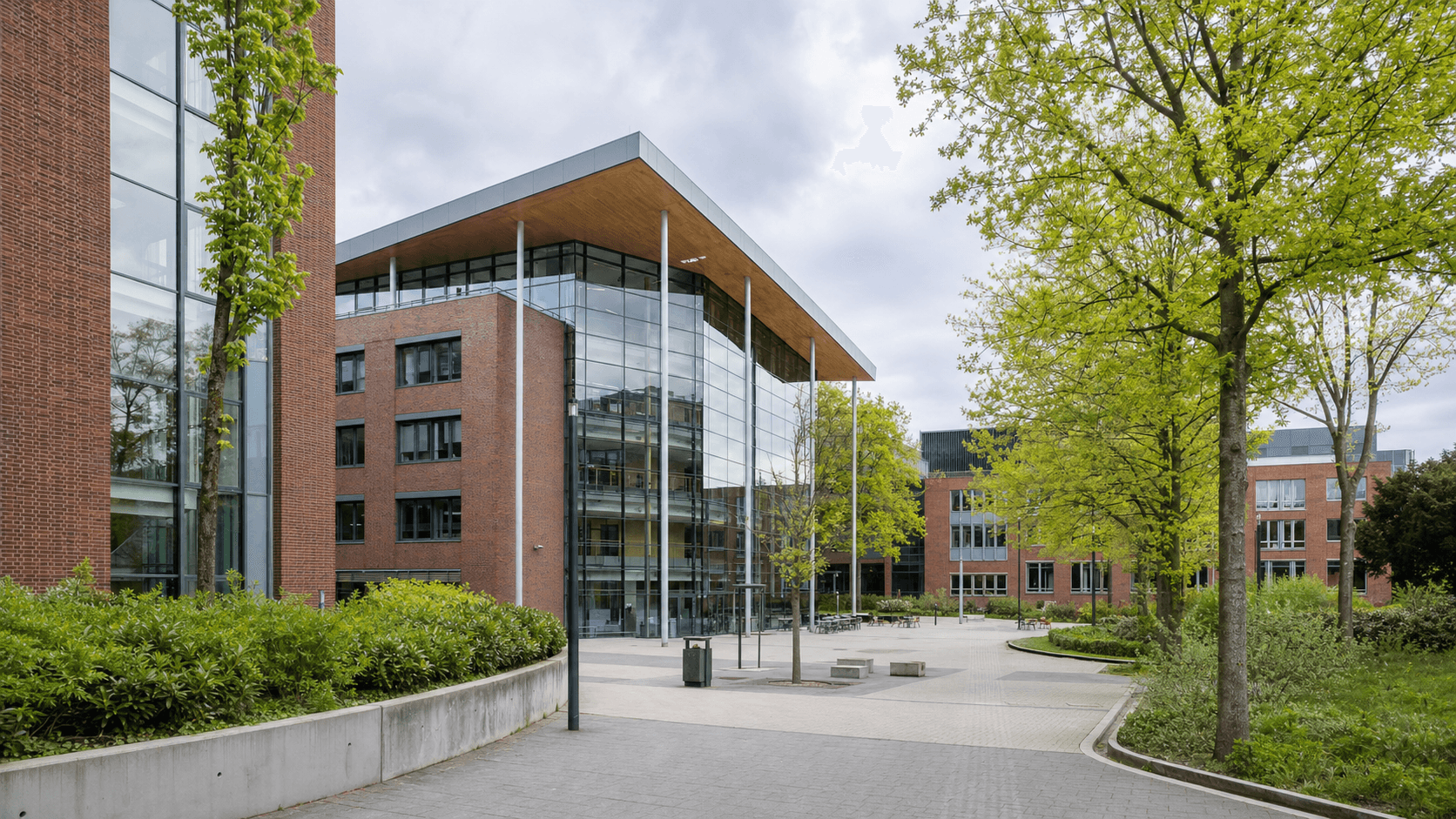
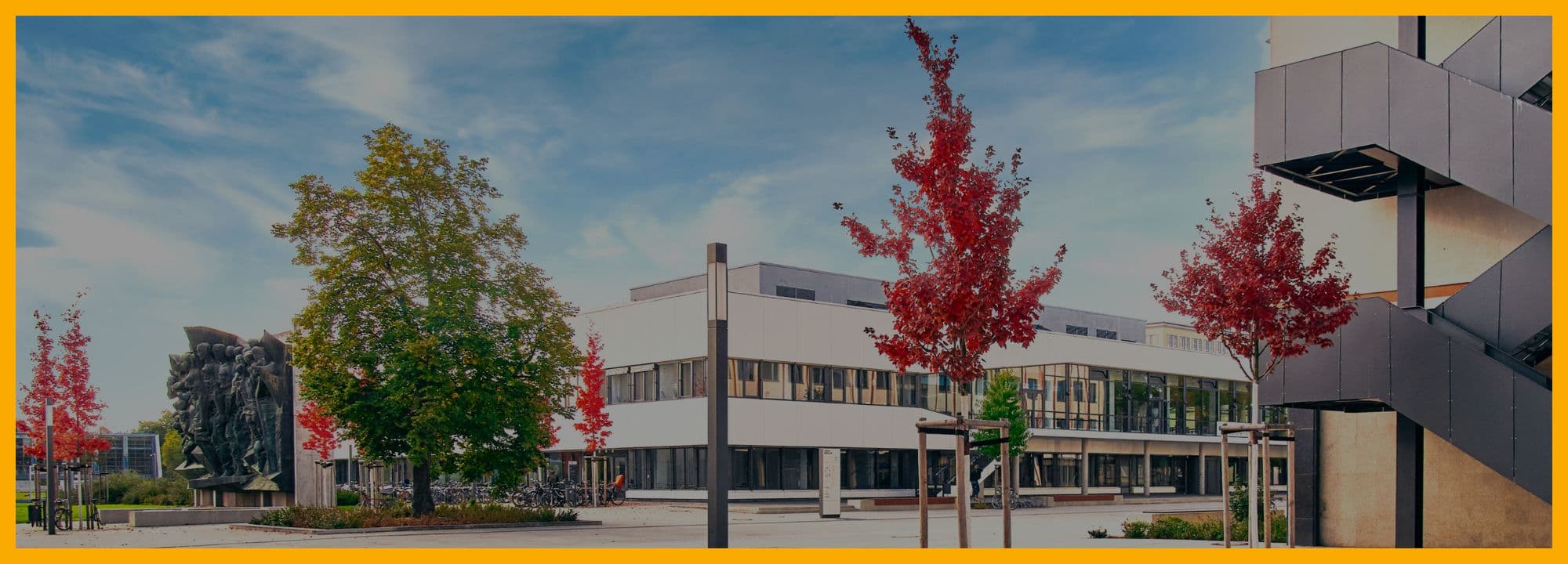
DIT's main campus is at Dieter-Görlitz-Platz 1, 94469 Deggendorf — a modern, centrally-located campus with a courtyard design and water features, described by students as relaxed and community-oriented. The campus is within walking distance of most student accommodation. DIT has three campuses (main campus Deggendorf, European Campus Rottal-Inn/ECRI in Pfarrkirchen, and Campus Cham). With 41%+ international students from 100+ countries, DIT is Bavaria's most international university — the campus reflects this with students from India, Nepal, Vietnam, Nigeria, Turkey, and across Europe. DIT facilities include a library, IT services, language centre (Sprachenzentrum — which offers additional German language support beyond the curriculum), student cafeteria (Mensa), and sports facilities. The Welcome Team run by DIT's International Office provides dedicated onboarding, orientation, accommodation assistance, and ongoing support. The weBuddy programme connects incoming international students with student buddies. Student clubs and cultural associations hold international events throughout the year. Nursing students use the non-EU service fee (EUR 500/semester) to access this full support infrastructure: onboarding, integration, career entry preparation, language support, and international student services. The DIT nursing programme applies through DIT's own Primuss portal (th-deg.de/en/apply) — not uni-assist. Contact for nursing enquiries: nursing-in@th-deg.de.
BSc Nursing (International) — B.Sc. Pflege International, 8 Semesters, English Entry Semesters 1–3 with Built-in German A2→B2, DIT Deggendorf, Bavaria (Zero Tuition, March Start)
Medium: English then German
BSc Nursing (International) — B.Sc. Pflege International, 8 Semesters, English Entry Semesters 1–3 with Built-in German A2→B2, DIT Deggendorf, Bavaria (Zero Tuition, March Start)
Tuition fee
Check official fee
Estimated hostel fee with food
$9,720
Teaching phases
Semester 1 — English Entry + German A2 (10 ECTS German)
Nursing science in English: Research-Differentiated Nursing Process and Evidence-Based Nursing; Foundational Reference Sciences 1; Therapy Sciences 1: Movement and Rest; Practical Training 1 (5 ECTS clinical). German language: A2 module, 8 SWS (weekly teaching hours), 10 ECTS — intensive, structured German equivalent to a full-time language school alongside nursing studies. This is the English-entry foundation semester — nursing theory is fully accessible in English while German acquisition begins formally.
DIT Deggendorf uses its own Primuss portal (th-deg.de/en/apply) — NOT uni-assist. The international nursing BSc starts in March (Summer Semester) only; application period is October 1 – March 14. Application fee: EUR 60 (non-EU applicants). Unlike HAW Hamburg, the APS Certificate is NOT required at application stage — it is needed after admission, for the student visa. A training contract with a DIT partner institution is mandatory before starting. DIT's acceptance rate for nursing is estimated at 55–60%; applications with a confirmed training contract are significantly stronger. Students Traffic manages the complete application process: eligibility assessment (bridge qualification route), German A1 preparation, IELTS, training contract identification and German-language application documents, Primuss portal submission, APS Certificate after admission, and full German visa coordination.
Achieve bridge qualification and begin language preparation (12–18 months before March start) — if you hold only Class 12, enrol in any Indian Bachelor's programme and complete at least 1 year. Simultaneously begin German A1 at Goethe-Institut India (3–4 months from zero). Prepare IELTS (target 5.5+ overall). Output: bridge qualification transcript + German A1 certificate + English B2/IELTS certificate.
Contact DIT partner institutions and secure a training contract (6–9 months before March start) — email nursing-in@th-deg.de to request the current cooperation partner list (Kooperationspartner PDF). Apply directly to partner hospitals and care facilities with a German-language CV, motivation letter, and certificates. Attend selection interview in German (A2–B1 recommended). Output: signed Ausbildungsvertrag or binding commitment letter from a DIT partner.
Apply via DIT Primuss portal (October 1 – March 14) — register at th-deg.de/en/apply, pay EUR 60 application fee. Upload: bridge qualification documents (Class 12 + first-year university transcripts), German A1 certificate, English B2/IELTS certificate, training contract or commitment letter from partner. Do NOT apply through uni-assist — this will not reach DIT. Output: submitted Primuss application with reference number.
Day-to-day life for Indian students pursuing MBBS at Deggendorf Institute of Technology (DIT) — BSc Nursing (International) — English Entry with Built-in German in Deggendorf, the country. This covers accommodation, food, campus environment, safety, and the student support systems available to you during your MBBS years.
Campus environment
DIT's main campus is at Dieter-Görlitz-Platz 1, 94469 Deggendorf — a modern, centrally-located campus with a courtyard design and water features, described by students as relaxed and community-oriented. The campus is within walking distance of most student accommodation. DIT has three campuses (main campus Deggendorf, European Campus Rottal-Inn/ECRI in Pfarrkirchen, and Campus Cham). With 41%+ international students from 100+ countries, DIT is Bavaria's most international university — the campus reflects this with students from India, Nepal, Vietnam, Nigeria, Turkey, and across Europe. DIT facilities include a library, IT services, language centre (Sprachenzentrum — which offers additional German language support beyond the curriculum), student cafeteria (Mensa), and sports facilities. The Welcome Team run by DIT's International Office provides dedicated onboarding, orientation, accommodation assistance, and ongoing support. The weBuddy programme connects incoming international students with student buddies. Student clubs and cultural associations hold international events throughout the year. Nursing students use the non-EU service fee (EUR 500/semester) to access this full support infrastructure: onboarding, integration, career entry preparation, language support, and international student services. The DIT nursing programme applies through DIT's own Primuss portal (th-deg.de/en/apply) — not uni-assist. Contact for nursing enquiries: nursing-in@th-deg.de.
Accreditations & listings
Ready for the next step?
Our counsellors help with the full admissions process, including application, documents, and visa support. Request a call and we'll walk you through the next steps clearly.

Germany is the largest economy in the European Union and the primary career destination for EU-trained Indian nurses worldwide. With a documented shortage of 150,000+ additional nurses by 2027 (Bundesagentur fur Arbeit), the German healthcare system is actively recruiting internationally educated nurses at salaries of EUR 2,800-3,800/month gross — a figure 10-15x higher than Indian hospital pay. For Indian students, Germany offers two distinct pathways: (1) Direct BSc Nursing study in Germany — 3-4 year dual study programmes (Duales Studium Pflege) at German Fachhochschulen (universities of applied sciences), combining academic nursing education with a paid hospital training contract generating EUR 1,000-1,200/month; (2) EU-to-Germany career migration — studying BSc Nursing in a lower-cost EU country (Lithuania, Albania) and obtaining German Anerkennung (credential recognition) via EU Directive 2005/36/EC. Both pathways lead to the same outcome: Pflegefachmann/-frau registration in Germany. The critical prerequisite for all routes is German language proficiency at B2 level — non-negotiable for all nursing degree programmes and for the Anerkennung recognition process. Germany is an EU and Schengen Area founding member; a German residence permit gives full Schengen mobility across 26 European countries.
Region
Europe
Climate
Temperate oceanic climate with four distinct seasons. Summers: 20-30°C (May-September), warm and pleasant with long daylight hours. Winters: 0 to -5°C (November-February), cold with overcast skies and snow, heavier in Bavaria and eastern Germany. Spring and autumn are mild at 8-18°C. Southern Germany (Bavaria, Baden-Wurttemberg) has colder, snowier winters; northern cities (Hamburg, Bremen) are milder. Berlin has a more continental climate. Indian students should budget INR 15,000-25,000 for a quality winter wardrobe in Year 1. Germany's indoor heating infrastructure is excellent and public transport runs reliably in all weather.
Semester 2 — English Entry + German B1 (10 ECTS German)
Nursing science in English: Foundational Reference Sciences 2 (Social Sciences 1 — Sociology; Natural Sciences); Therapy Sciences 2: Nutrition; Foundations of Professional Pedagogy and Education; Practical Training 2 (5 ECTS clinical). German language: B1 module, 8 SWS, 10 ECTS. By end of Semester 2, students are at intermediate German — sufficient for basic clinical conversation and the PR 21-month B1 eligibility milestone.
Semester 3 — English Entry + German B2 (10 ECTS German)
Nursing science in English: Professional Identity and Policy; Basic Module in Healing Professions; Foundational Reference Sciences 3 (Social Sciences 2 — Psychology; Natural Sciences 3); Therapy Sciences 3: Perception, Thinking, Elimination, Sexuality, Infection; Practical Training 3 (5 ECTS clinical). German language: B2 module, 8 SWS, 10 ECTS. By end of Semester 3, students have reached B2 German through the programme — ready for the full transition to German-medium instruction in Semester 4.
Semester 4 — Transition to German-Medium Instruction
First fully German-medium semester: Health System and Law; Foundational Reference Sciences 5 (Social Sciences 5; Natural Sciences 4); Therapy Sciences 5: Family, Role, Well-Being, Pain; Health Promotion; Practical Training 4 (10 ECTS clinical — doubled from Semesters 1–3). By Semester 4, the built-in A2→B2 curriculum has prepared students to study nursing science in German. Clinical practical training hours increase significantly.
Semester 5 — Advanced German Nursing (Ethics and Psychology)
Ethics; Foundational Reference Sciences 4 (Social Sciences 3: Psychology; Social Sciences 4: Sociology 2); Therapy Sciences 4: Self, Stress Tolerance, Violence, Wound; Educational Concepts and Methods 1; Practical Training 5 (10 ECTS clinical). Students are now working fully in German in both academic and clinical settings. Advanced nursing specialisations in psychology, ethics, and complex patient care scenarios.
Semester 6 — Complex Care and Health Literacy
Complex Care 1; Educational Concepts and Methods 2; Applied Health Literacy; Practical Training 6 (15 ECTS clinical — the largest clinical block to date). Students manage complex patient care scenarios under supervision, applying all nursing science from previous semesters. Health literacy and patient education skills developed for clinical leadership roles.
Semester 7 — Healthcare Management and Communication
Healthcare Management; Complex Care 2; Applied Health Communication (Health Communication 1 and 2); Practical Training 7 (10 ECTS clinical). Nursing management, leadership, and advanced communication skills. Students begin exploring post-graduation employment options with partner institutions and regional hospitals in Bavaria.
Semester 8 — Bachelor Thesis and Final Clinical Placement
Bachelor Thesis (6 ECTS) and Bachelor Seminar (4 ECTS) — independently conducted nursing research supervised by a DIT professor; written in German (B2+ proficiency required); topic of student's choice. Practical Training 8 (20 ECTS — the largest clinical block in the programme). Graduation with BSc (B.Sc.) degree AND Berufserlaubnis als Pflegefachkraft (German state nursing licence). Total practical training across all 8 semesters: 80 ECTS out of 240 (33% of the degree is in clinical settings).
Tuition fee and hostel estimate
Tuition fee: EUR 0 (zero) — DIT is a public Bavarian state university. Non-EU service fee: EUR 500/semester (from WS 2025/26; covers onboarding, integration, Welcome Team, career support, language services). Student union fee: EUR 82/semester (all students). Total per semester (non-EU): EUR 582. Total per year: EUR 1,164. Total for 8 semesters (4 years): EUR 4,656 (approximately INR 5.22 lakh at EUR 1 = INR 112). Application fee: EUR 60 (non-EU, one payment per application phase). Living costs in Deggendorf: EUR 650–850/month realistic student budget (accommodation EUR 200–430/month depending on dorm vs private studio; groceries EUR 100–200/month; transport EUR 0–60; health insurance GKV EUR 110–120/month mandatory; mobile/internet EUR 15–30; personal EUR 40–80; books EUR 10–20; leisure EUR 30–60). Annual living estimate EUR 9,000 (EUR 750/month average). USD conversion at EUR 1 = USD 1.08 (June 2026 ECB rate). NOTE: DIT's semester contribution does NOT include a public transport pass (unlike Hamburg); Deutschlandticket (EUR 58/month) available separately for national regional rail travel. Training stipend from partner institution: EUR 400–800/month during practical phases (legal right under Pflegestudiumstärkungsgesetz 2023 — partially or substantially offsets living costs). One-time setup costs (not in living estimate): blocked account EUR 11,904 (YOUR money returned EUR 992/month), visa fee EUR 75, APS certificate INR 18,000, DIT application fee EUR 60, German A1 course INR 15,000–50,000, IELTS INR 16,000–18,000, Goethe A1 exam INR 4,000–8,000, flight to Munich INR 35,000–60,000, accommodation deposit EUR 600–1,000, winter clothing INR 25,000–40,000.
Clinical & support
Clinical exposure
The BSc Nursing at DIT is approximately 50% practical training — Practical Training modules run across all 8 semesters, carrying increasing ECTS weight from 5 ECTS (Semester 1) to 20 ECTS (Semester 8), totalling 80 out of 240 ECTS. A training contract (Ausbildungsvertrag) with a DIT partner hospital, care facility, or outpatient service is mandatory before starting the programme. DIT actively works with partner institutions in the Deggendorf, Lower Bavaria, and wider Bavaria region — request the current partner list PDF from nursing-in@th-deg.de. Under the Pflegestudiumstärkungsgesetz (Nursing Degree Strengthening Act, effective October 2023), students with training contracts receive a legally mandated monthly training stipend (Vergütung) of typically EUR 400–800 — a legal right, not optional. Clinical settings cover all three mandated by the German Nursing Act (PflBG 2020): (1) Inpatient care (hospital — acute, surgical, geriatric, and specialised wards); (2) Long-term care (Pflegeheim — residential elderly care); (3) Outpatient care (ambulante Pflege — community nursing services). Partner institutions span hospitals, care facilities, and outpatient services across Lower Bavaria. After graduation, DIT's strong regional industry connections give graduates direct access to large hospitals in Regensburg, Passau, Landshut, Straubing, and Munich (LMU Klinikum, TU Munich Klinikum, Klinikum Schwabing). DIT reports 87% graduate employment within 2 months of graduation across all programmes.
Teaching hospitals
Licensing & exam support
Receive DIT admission offer (Zulassungsbescheid) — DIT reviews applications and issues admission or rejection. Applications with a confirmed training contract are significantly stronger (55–60% estimated acceptance rate).
Apply for APS Certificate immediately after admission offer (3–5 months before March start) — begin at APS India (German Embassy, New Delhi). Required documents: passport, Class 10 and 12 certificates + marksheets, first-year university transcripts — all in A4 colour photocopy (both sides). Pay INR 18,000 fee. Allow 4–8 weeks. Output: APS Certificate.
Enrol at DIT — complete online enrolment through Primuss portal after receiving the admission offer. Pay EUR 582 semester contribution (EUR 500 service fee + EUR 82 union fee). Output: enrolment confirmation + DIT student ID.
Apply for German National Visa (Type D) at German Embassy/VFS Global in India — required documents: DIT admission/enrolment confirmation, APS Certificate, German A1 certificate, English B2 certificate, training contract, blocked account confirmation (EUR 11,904 from Expatrio/Fintiba), health insurance proof, Class 10 and 12 originals + certified copies, first-year university transcript, motivation letter/CV. Processing: 6–12 weeks. WARNING: Since July 1, 2025, Germany abolished the Widerspruch (remonstration) visa rejection appeal process — you have ONE attempt. Prepare correctly the first time. Output: German National Visa (Type D).
Arrive in Deggendorf and begin programme (March start) — register at Bürgeramt within 2 weeks (Meldebescheinigung); enrol in statutory health insurance (GKV: TK, AOK Bayern, Barmer, EUR 110–120/month); activate blocked account (EUR 992/month begins releasing); open German bank account (DKB, N26, Sparkasse Deggendorf); apply for student residence permit (Aufenthaltserlaubnis) at Ausländerbehörde Deggendorf (Landratsamt) within 90 days; collect DIT student ID; attend International Office Welcome Programme; begin Semester 1 German A2 classes (10 ECTS of your degree from Day 1).
Eligibility for Indian students
Entry requirements for Indian students applying to the DIT BSc Nursing (International) programme:
Documents required
Educational
Visa
Intake
March
When to start
Start document preparation and application planning at least 3–6 months before the March intake.
Admissions notes
Application window: October 1 – March 14 for the March/Summer Semester start (once per year only). Apply to DIT Primuss portal early — training contract is the most time-consuming step (6–9 months before March start). APS Certificate is applied for AFTER admission (not before) — begin immediately upon receiving DIT offer, allow 4–8 weeks. Book VFS Global visa appointment as soon as blocked account confirmation, APS Certificate, and DIT admission letter are all in hand — German embassy appointments can be 6–10 weeks out. Total preparation timeline from Class 12: approximately 12–18 months (1-year Indian university bridge + A1 German + IELTS + training contract + application).
Deutschlandstipendium: EUR 300/month (12 months, renewable) — awarded on academic merit and social criteria; DIT participates; apply after completing at least 1–2 semesters at DIT. DAAD STIBET bursaries: available for enrolled international students at DIT; need-based; apply after arrival. DIT internal awards: DIT offers support mechanisms for international students; details via DIT International Office. Bavarian state scholarships (BayBAfoeG): available for students with German language certificates at certain thresholds. Training stipend: EUR 400–800/month from partner institution during practical phases (mandatory under Pflegestudiumstärkungsgesetz 2023 — a legal right, not optional). Part-time work: 140 full days/year (approx. 20 hours/week at EUR 13.90/hour minimum) generates EUR 800–1,100/month supplementary income. Indian education loans (SBI, HDFC Credila, Axis Bank, ICICI) available — EUR 0 tuition means total loan quantum is a fraction of what Canada or UK would require.
How we assess
We confirm whether any fee waiver is merit-based, automatic, limited-seat, renewal-dependent, or deferred to later years before presenting it as part of a cost plan.
What we obtain in writing
Written scholarship terms, net payable tuition after any waiver, and whether hostel or ancillary charges are excluded are confirmed before families make a financial decision.
A WDOMS-listed MBBS opens six career pathways. India return via FMGE/NExT is the most common, but the same degree qualifies you to sit licensing exams for the USA, UK, Australia, Canada, and New Zealand — or stay for PG in Germany.
Timeline: 6–9 months after graduation
Most common pathway for Indian students. After completing your MBBS and one-year internship abroad, you clear FMGE (being replaced by NExT) to obtain NMC registration. Students Traffic provides free FMGE/NExT coaching for students who join through us.
German state nursing licence (Berufserlaubnis als Pflegefachkraft) — awarded as part of the DIT BSc graduation. No separate Staatsexamen or licensing exam required beyond successful programme completion. You ARE a German-licensed nurse from graduation day., EU Directive 2005/36/EC — DIT nursing licence is automatically recognised across all 27 EU member states for nursing practice., No Berufsanerkennung required — unlike Indian-trained nurses who must go through a 6–18 month German recognition process, DIT graduates trained IN Germany and hold the licence directly., UK NMC International Registration — German BSc Nursing accepted; specific recognition route for EU-qualified nurses; CBT and OSCE required., NCLEX-RN (Canada/USA) — German BSc Nursing eligible for CGFNS credential evaluation for US and Canadian nursing licensure., Austria mutual recognition — German nursing licence recognised in Austria (CHF/EUR salary significantly above German average in some Austrian cantons; Swiss nurses earn CHF 5,000–8,000/month)., MSc Nursing / MBA Health Management — available at German universities after BSc; DIT itself offers further education programmes for continuing professional development.
Recognition status is cross-checked against official sources before this university is recommended to any family.
Accommodation
Accommodation in Deggendorf is significantly more affordable than Hamburg, Munich, or Berlin. Options: (1) Student dormitories: DIT International Office assists with dormitory applications — rooms near campus from EUR 200–320/month, including communal utilities. Apply early via DIT International Office as places are limited. (2) Private studio apartments: confirmed local provider Wagner Wohnbau student apartments at EUR 310 + EUR 120 bills = EUR 430/month total. Other private studios EUR 300–450/month. (3) Shared apartments (WG): EUR 250–380/month per room — find via WG-Gesucht.de or DIT's accommodation board (WB-Wohnungssuche). DIT campus is in central Deggendorf — walkable from most accommodation options, so transport costs are minimal (most students walk or cycle). Note: unlike HAW Hamburg, DIT's semester contribution does NOT include a public transport pass. A local bus monthly pass costs EUR 30–60, or separately purchase the Deutschlandticket (EUR 58/month) for unlimited regional train travel. Accommodation is considerably easier and cheaper to find in Deggendorf than in any major German city — typically from EUR 310/month + bills at confirmed local providers.
Daily living support
Deggendorf has a small but functional Indian food ecosystem for a city of its size. Indian restaurants are present in Deggendorf (limited compared to Hamburg or Munich, but available). Asian grocery stores in Deggendorf, Straubing (~20 km), and Regensburg (~60 km) stock basmati rice, lentils, Indian spices, and cooking essentials. Munich (2 hours by train) has extensive Indian grocery shopping and dozens of Indian restaurants serving all regional cuisines. Self-cooking is strongly recommended by Indian students at DIT — the most affordable approach at EUR 100–150/month for groceries. The nearest Hindu temple is in Munich (Chinmaya Mission Munich, Shiv Mandir Munich). Indian cultural events including Diwali are organised by DIT student groups. The large international student community (41%+ from 100+ countries) means Indian students integrate well and find peer community from Day 1. Students Traffic connects all enrolled DIT students with the existing Indian student network before arrival.
Safety and support
Deggendorf is a safe Bavarian town with very low crime rates — consistent with Germany's status as one of the safest countries in the world. Lower Bavaria is a quiet, rural-urban region with minimal safety concerns. The 41% international student population at DIT means the campus is cosmopolitan and Indian students are not isolated or conspicuous. Professors are accessible and the small-city environment means DIT staff know their students personally. German constitutional protections for freedom of religion apply fully — all religions are freely practised. DIT's International Office provides student welfare support, mental health resources, and administrative guidance. Students at DIT consistently report high satisfaction with the safety and community feel of Deggendorf. DIT's International Office operates a dedicated Welcome Team for incoming international students — covering onboarding, orientation, accommodation assistance, and ongoing support throughout the programme. The weBuddy programme pairs new international students with German student buddies. DIT's Language Centre (Sprachenzentrum) provides supplementary German language support beyond the 8 hours/week built into the curriculum. The Primuss portal manages all academic administration. Career services support: DIT reports 87% graduate employment within 2 months of graduation university-wide. Nursing programme contact: nursing-in@th-deg.de (nursing-specific); welcome@th-deg.de (general international queries). Students Traffic provides end-to-end support: eligibility assessment (Class 12 bridge route, IB/A-Level, 1-year Indian university route), German A1 language preparation guidance, IELTS guidance, training contract identification and German-language application document preparation, DIT Primuss portal application submission, APS Certificate process (after DIT admission), German national visa document preparation and VFS Global appointment coordination, blocked account setup (Expatrio/Fintiba guidance), pre-departure orientation (Deggendorf life, Bavarian climate, Indian community contacts, arrival checklist), and post-arrival support (Ausländerbehörde registration, GKV health insurance, banking).
Living cost
Germany is significantly more expensive than Lithuania, Albania, or Eastern European study destinations, but considerably cheaper than the UK, Canada, or Australia. Costs vary substantially by city — Munich and Frankfurt are the most expensive; Leipzig, Halle, Dortmund, and Osnabrück are the most affordable. Budget planning by city is essential.
Talk to a student
These students studied here and can answer your real questions about academics, hostel life, and daily experience.
No student contacts listed yet for this university.
Request a student conversation
Share your details and we'll match you with a registered student who can answer your questions directly.
No reviews yet.
Be the first to share your experience at Deggendorf Institute of Technology (DIT) — BSc Nursing (International) — English Entry with Built-in German.

Germany is the largest economy in the European Union and the primary career destination for EU-trained Indian nurses worldwide. With a documented shortage of 150,000+ additional nurses by 2027 (Bundesagentur fur Arbeit), the German healthcare system is actively recruiting internationally educated nurses at salaries of EUR 2,800-3,800/month gross — a figure 10-15x higher than Indian hospital pay. For Indian students, Germany offers two distinct pathways: (1) Direct BSc Nursing study in Germany — 3-4 year dual study programmes (Duales Studium Pflege) at German Fachhochschulen (universities of applied sciences), combining academic nursing education with a paid hospital training contract generating EUR 1,000-1,200/month; (2) EU-to-Germany career migration — studying BSc Nursing in a lower-cost EU country (Lithuania, Albania) and obtaining German Anerkennung (credential recognition) via EU Directive 2005/36/EC. Both pathways lead to the same outcome: Pflegefachmann/-frau registration in Germany. The critical prerequisite for all routes is German language proficiency at B2 level — non-negotiable for all nursing degree programmes and for the Anerkennung recognition process. Germany is an EU and Schengen Area founding member; a German residence permit gives full Schengen mobility across 26 European countries.
Region
Europe
Climate
Temperate oceanic climate with four distinct seasons. Summers: 20-30°C (May-September), warm and pleasant with long daylight hours. Winters: 0 to -5°C (November-February), cold with overcast skies and snow, heavier in Bavaria and eastern Germany. Spring and autumn are mild at 8-18°C. Southern Germany (Bavaria, Baden-Wurttemberg) has colder, snowier winters; northern cities (Hamburg, Bremen) are milder. Berlin has a more continental climate. Indian students should budget INR 15,000-25,000 for a quality winter wardrobe in Year 1. Germany's indoor heating infrastructure is excellent and public transport runs reliably in all weather.
Living cost
Germany is significantly more expensive than Lithuania, Albania, or Eastern European study destinations, but considerably cheaper than the UK, Canada, or Australia. Costs vary substantially by city — Munich and Frankfurt are the most expensive; Leipzig, Halle, Dortmund, and Osnabrück are the most affordable. Budget planning by city is essential.
Compare with similar
Other universities in Germany