Hamburg University of Applied Sciences (HAW Hamburg) — Hochschule für Angewandte Wissenschaften Hamburg — is a public Fachhochschule (university of applied sciences) founded in 1970, with over 16,000 students across 9 faculties and 4 campuses in Hamburg. The BSc Nursing (Cooperative/Dual Degree) is the flagship programme of the Department of Nursing and Management (Faculty of Business and Social Sciences), delivered at the Berliner Tor Campus in central Hamburg. It is a 7-semester (3.5-year) cooperative (kooperativer Studiengang) programme: students simultaneously hold a university enrolment at HAW Hamburg AND a training contract (Ausbildungsvertrag) with one of 7 partner hospitals or care institutions. The result is two qualifications at graduation — a Bachelor of Science (B.Sc.) AND a state nursing licence (Berufserlaubnis als Pflegefachkraft) — authorising direct practice as a registered nurse across Germany, Austria, Switzerland, and all 27 EU member states without any further recognition process. Annual tuition is EUR 0 (zero) under German public university policy; students pay only the EUR 397/semester contribution that includes the HVV Hamburg public transport pass. Germany requires 150,000+ additional nurses by 2028 (shortage projected to reach 500,000 by 2030), and over 16,600 Indian nurses are already employed in Germany — making this the highest-ROI nursing degree for Indian families: a 3.5-year total cost of approximately INR 47–61 lakh (living costs only) versus INR 1.3–1.6 crore for an equivalent degree in Canada. HAW Hamburg is accredited under the German Nursing Act (Pflegeberufegesetz, PflBG 2020) and its nursing licence is state-regulated and legally recognised across Germany and the EU. Prerequisite: German language at C1 level (Goethe C1 or TestDaF TDN 4) plus APS Certificate and VPD from uni-assist.
Check official fee
4 years
German
October
Hamburg, Germany
Public
Hamburg University of Applied Sciences (HAW Hamburg) — Hochschule für Angewandte Wissenschaften Hamburg — is a public Fachhochschule (university of applied sciences) founded in 1970, with over 16,000 students across 9 faculties and 4 campuses in Hamburg. The BSc Nursing (Cooperative/Dual Degree) is the flagship programme of the Department of Nursing and Management (Faculty of Business and Social Sciences), delivered at the Berliner Tor Campus in central Hamburg. It is a 7-semester (3.5-year) cooperative (kooperativer Studiengang) programme: students simultaneously hold a university enrolment at HAW Hamburg AND a training contract (Ausbildungsvertrag) with one of 7 partner hospitals or care institutions. The result is two qualifications at graduation — a Bachelor of Science (B.Sc.) AND a state nursing licence (Berufserlaubnis als Pflegefachkraft) — authorising direct practice as a registered nurse across Germany, Austria, Switzerland, and all 27 EU member states without any further recognition process. Annual tuition is EUR 0 (zero) under German public university policy; students pay only the EUR 397/semester contribution that includes the HVV Hamburg public transport pass. Germany requires 150,000+ additional nurses by 2028 (shortage projected to reach 500,000 by 2030), and over 16,600 Indian nurses are already employed in Germany — making this the highest-ROI nursing degree for Indian families: a 3.5-year total cost of approximately INR 47–61 lakh (living costs only) versus INR 1.3–1.6 crore for an equivalent degree in Canada. HAW Hamburg is accredited under the German Nursing Act (Pflegeberufegesetz, PflBG 2020) and its nursing licence is state-regulated and legally recognised across Germany and the EU. Prerequisite: German language at C1 level (Goethe C1 or TestDaF TDN 4) plus APS Certificate and VPD from uni-assist.
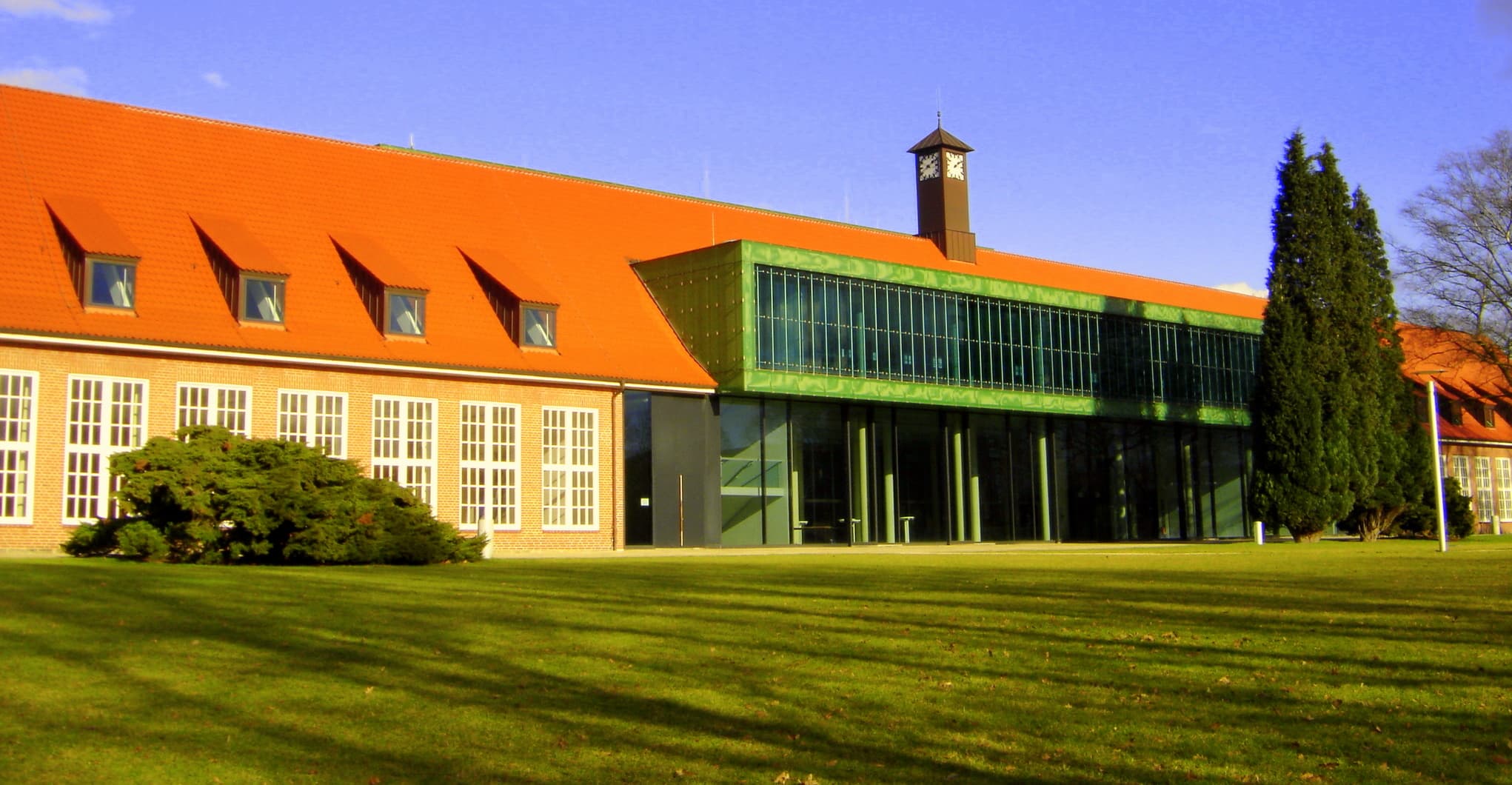
The Department of Nursing and Management is based at the Berliner Tor Campus (Alexanderstrasse 1, 20099 Hamburg) — a central city campus directly connected by U-Bahn, S-Bahn, and bus. From campus, Hamburg Hauptbahnhof (main station) is 5–10 minutes by U-Bahn. HAW Hamburg enrolls over 16,000 students including 2,500+ international students from 100+ countries; the nursing and management department has 400+ students, creating a small-cohort environment with close professor and clinical supervisor contact. The campus operates a dedicated nursing Skills Lab where students practise patient-care procedures — basic nursing techniques, medication administration, wound care, patient positioning, and clinical communication with simulated patients — before entering real hospital settings. HAW Hamburg's weBuddy programme pairs incoming international students with German student buddies for integration support. The university library, Moodle learning management system, student union (AStA), counselling services, career centre, and sports facilities are all available. The EUR 397/semester contribution includes the HVV semester ticket — unlimited Hamburg public transport on U-Bahn, S-Bahn, bus, and ferry across the Hamburg Metropolitan Area plus Germany-wide regional rail (Deutschlandticket) for the entire semester.
BSc Nursing — Cooperative/Dual Degree (B.Sc. Pflege, 7 Semesters) + State Nursing Licence — HAW Hamburg, Germany (Zero Tuition, October Start)
Medium: German
BSc Nursing — Cooperative/Dual Degree (B.Sc. Pflege, 7 Semesters) + State Nursing Licence — HAW Hamburg, Germany (Zero Tuition, October Start)
Tuition fee
Check official fee
Estimated hostel fee with food
$14,256
Teaching phases
Semester 1 — Foundations of Nursing Science
Foundations of nursing science; anatomy and physiology; nursing as a profession; patient communication. Practical: inpatient care — hospital ward introduction; basic patient care procedures; clinical observations. Skills Lab on-campus simulation before real patient contact. Introduction to German healthcare system (GKV, hospital structures, care legislation).
Semester 2 — Pathophysiology and Nursing Process
Pathophysiology; psychology and sociology for nursing; nursing process and documentation. Practical: long-term care settings (Pflegeheim); geriatric nursing fundamentals. Deepening of patient assessment and care planning skills in a residential care environment.
Semester 3 — Acute Clinical Care
Clinical nursing (acute care); pharmacology basics; wound care; infection prevention. Practical: acute hospital care; surgical and medical wards; clinical skills lab practice at HAW Hamburg. Students begin managing patient care procedures independently under supervision.
Semester 4 — Specialised Patient Groups
Nursing in specific patient groups — paediatrics, psychiatry, rehabilitation; evidence-based nursing. Practical: specialised settings including paediatrics (Altonaer Kinderkrankenhaus), psychiatry, and outpatient care services. Exposure to diverse nursing specialities.
Semester 5 — Research Methods and Health Policy
Nursing research methods; health policy and German healthcare system; legal and ethical frameworks. Practical: advanced clinical placements; leading patient care under supervision at HAW Hamburg partner hospitals including UKE. Students begin taking clinical leadership roles.
Semester 6 — Nursing Management and Leadership
Nursing management; quality assurance; nursing leadership; interdisciplinary teamwork; quality management (ISO standards, patient safety). Practical: complex care scenarios; management and leadership experience in clinical settings. Preparation for autonomous nursing practice.
Semester 7 — Advanced Research and State Examination
Advanced research seminar; nursing in specialised contexts; Bachelor thesis preparation and submission. Practical: final extended clinical placement; state nursing examination (Staatsexamen) preparation and completion. Graduation with BSc degree AND Berufserlaubnis als Pflegefachkraft (state nursing licence).
Tuition fee and hostel estimate
Tuition fee: EUR 0 (zero) — HAW Hamburg is a Hamburg public university; German state policy charges no tuition for most programmes regardless of nationality. Semester contribution (WS 2026/27): EUR 397/semester × 2 = EUR 794/year (× 3.5 years = EUR 2,779 total) — includes HVV Hamburg public transport semester ticket (unlimited U-Bahn, S-Bahn, bus, ferry across Hamburg + Germany-wide regional rail). Health insurance: EUR 110–120/month (mandatory GKV for all students). Living costs: EUR 1,000–1,300/month realistic student budget in Hamburg (accommodation EUR 250–650/month depending on dormitory vs shared apartment; groceries EUR 150–250/month; transport EUR 0 included in semester ticket; health insurance EUR 110–120/month; phone EUR 15–30/month; clothing/personal EUR 50–100/month; books EUR 20–40/month; leisure EUR 50–100/month). Annual living estimate EUR 13,200 (EUR 1,100/month average). USD conversion at EUR 1 = USD 1.08 (June 2026 ECB rate). One-time setup costs (not included in annual living): blocked account EUR 11,904 (YOUR money returned at EUR 992/month after arrival), visa fee EUR 75, APS fee INR 18,000, uni-assist VPD fee EUR 75, German language course INR 60,000–1,50,000, Goethe/TestDaF exam INR 12,000–18,000, flight INR 35,000–65,000, accommodation deposit EUR 600–1,000, winter clothing INR 30,000–50,000.
Clinical & support
Clinical exposure
The HAW Hamburg cooperative nursing programme currently partners with 7 healthcare institutions in Hamburg for clinical training — among the most respected hospitals and care organisations in northern Germany. Clinical partners include: Universitätsklinikum Hamburg-Eppendorf (UKE, one of Germany's top 5 university hospitals, 14,000 employees, 1,500 beds, world-class research); Albertinen-Diakoniewerk eV Hamburg (major faith-based healthcare network with hospitals, elderly care, and social services — a large employer of nursing graduates); Altonaer Kinderkrankenhaus Hamburg (children's hospital, paediatric nursing specialisation, one of northern Germany's leading paediatric facilities); and 4 additional Hamburg hospital and care partners. The 7-semester programme is structured under the German Nursing Act (PflBG 2020) to cover all three mandated clinical settings: (1) Inpatient care (stationäre Pflege) — hospitals including medical, surgical, emergency, ICU, and specialised wards; (2) Long-term care (stationäre Altenpflege) — nursing homes and residential care for elderly patients; (3) Outpatient care (ambulante Pflege) — community nursing services, home care, and day care centres. This three-setting structure ensures HAW Hamburg graduates are qualified and licensed to work across ALL nursing contexts in Germany — not just hospital nursing. At several partner hospitals, students receive a training stipend (Ausbildungsvergütung) of EUR 400–800/month during practical phases — partially offsetting living costs. The Skills Lab at Berliner Tor campus provides pre-clinical simulation and practise before hospital entry.
Teaching hospitals
HAW Hamburg BSc Nursing has a TWO-TRACK application process — unlike Canadian or UK nursing applications, you MUST secure a training contract with a HAW Hamburg partner hospital BEFORE applying to the university. The hospital selection and university application happen in parallel; neither can be completed without the other. The application window is June 1 – July 31 (Winter Semester intake, October 1 start). HAW Hamburg uses a points system for selection: GPA, completed internships/clinical experience, additional language skills, and prior university studies. The application portal is myHAW (myhaw.haw-hamburg.de). No paper documents are accepted — all documents go online via the portal. Students Traffic manages the complete application process including hospital contact strategy, German-language application materials, hospital interview preparation, myHAW portal submission, and German student visa coordination.
Begin German language preparation (18–24 months before target intake) — enrol at Goethe-Institut India at A1 level. This step MUST begin before all other application steps. Without C1, admission is impossible.
Apply for APS Certificate (at least 6–8 months before July 31 application deadline) — register at APS India portal (German Embassy New Delhi), prepare Class 10 and 12 documents in A4 colour photocopy format (both sides), pay INR 18,000, attend APS interview if required. Allow 4–8 weeks.
Obtain VPD from uni-assist (at least 4–6 weeks before July 31) — register at uni-assist.de, search 'Hochschule für Angewandte Wissenschaften Hamburg', upload APS Certificate and school documents with certified translations. Fee EUR 75. Aim for June 1 submission to allow processing time.
Achieve C1 German certificate (before application period) — sit Goethe C1 or TestDaF at a test centre in India (Goethe C1 available across multiple cities; TestDaF in Mumbai, New Delhi, Chennai, Hyderabad, Kolkata, Pune). Aim to have C1 certificate in hand before June 1.
Contact HAW Hamburg partner hospitals and apply for a training place (from January/February onwards) — apply DIRECTLY to Albertinen-Schule (Albertinen-Diakoniewerk), Universitäre Bildungsakademie (UKE), Altonaer Kinderkrankenhaus, and other partners. Each hospital has its own selection process and German-language interview. Obtain a written training contract or binding commitment letter.
Apply via myHAW portal (June 1 – July 31) — upload APS Certificate, VPD, German C1 certificate, training contract or commitment letter, and Class 10 and 12 documents (certified copies). Receive application reference number.
Admission decision (typically August) — HAW Hamburg selection committee evaluates using points system. Conditional and final admission offers issued after the application window closes.
Enrol at HAW Hamburg — pay EUR 397 semester contribution after receiving admission offer. Both training contract AND enrolment must be completed for the programme to proceed.
Apply for German National Visa (Type D) — apply at the German Embassy/Consulate in India via VFS Global with: admission confirmation, training contract, APS Certificate, VPD, German C1 certificate, blocked account confirmation (EUR 11,904), health insurance proof, Class 10 and 12 originals. Processing: 6–12 weeks. WARNING: Since July 1, 2025, India has abolished the Widerspruch (remonstration) process for visa rejections — you have ONE attempt. A well-prepared first application is critical.
Arrive in Hamburg and begin programme (October 1) — register at Bürgeramt within 2 weeks, enrol in statutory health insurance (GKV: TK, AOK, Barmer — EUR 110–120/month), activate blocked account (EUR 992/month begins releasing), apply for student residence permit (Aufenthaltserlaubnis) at Ausländerbehörde Hamburg within 90 days, open German bank account (DKB, N26, Sparkasse, Deutsche Bank).
Eligibility for Indian students
Entry requirements for Indian students applying to the HAW Hamburg BSc Nursing cooperative programme:
Intake
October
When to start
Start document preparation and application planning at least 3–6 months before the October intake.
Admissions notes
Application window: June 1 – July 31 for the Winter Semester (October 1 start) — one intake per year only. The VPD from uni-assist should be submitted by June 1 to allow 4–6 weeks processing before the July 31 deadline. Book your VFS Global visa appointment as soon as the blocked account confirmation, APS Certificate, C1 certificate, and HAW Hamburg admission letter are all in hand — German embassy appointments in India can be 6–10 weeks out. Do NOT wait to collect all documents before booking.
HAW Hamburg participates in the national Deutschlandstipendium programme (EUR 300/month for 12 months, renewable) — awarded on academic merit and social criteria; apply after enrolment. DAAD Scholarships (Deutscher Akademischer Austauschdienst) offer several programmes relevant to Indian students at various study stages. HAW Hamburg internal merit and need-based support is available via the university's funding portal. At several cooperation hospital partners, students receive a training stipend of EUR 400–800/month during practical semesters — partially offsetting living costs. Student work rights (140 full days/year, approx. 20 hours/week at EUR 13.90/hour minimum) generate EUR 800–1,100/month supplementary income. Indian education loans (SBI, HDFC Credila, Axis Bank, ICICI Bank) are available — because tuition is EUR 0, total loan quantum for HAW Hamburg is significantly lower than for Canada, UK, or Australia.
How we assess
We confirm whether any fee waiver is merit-based, automatic, limited-seat, renewal-dependent, or deferred to later years before presenting it as part of a cost plan.
What we obtain in writing
Written scholarship terms, net payable tuition after any waiver, and whether hostel or ancillary charges are excluded are confirmed before families make a financial decision.
A WDOMS-listed MBBS opens six career pathways. India return via FMGE/NExT is the most common, but the same degree qualifies you to sit licensing exams for the USA, UK, Australia, Canada, and New Zealand — or stay for PG in Germany.
Timeline: 6–9 months after graduation
Most common pathway for Indian students. After completing your MBBS and one-year internship abroad, you clear FMGE (being replaced by NExT) to obtain NMC registration. Students Traffic provides free FMGE/NExT coaching for students who join through us.
Staatsexamen (State Nursing Examination) — completed in Semester 7 at HAW Hamburg. Successfully completing this mandatory state examination grants the Berufserlaubnis als Pflegefachkraft (professional nursing licence) recognised across Germany and all 27 EU member states. No separate NCLEX or NMC exam required to practise in Germany., EU Directive 2005/36/EC — HAW Hamburg nursing licence is automatically recognised across all 27 EU member states for nursing practice. Applies to all EU/EEA countries including Netherlands, Sweden, Denmark, Ireland, France, and others., UK NMC International Registration — German BSc Nursing is well-received by the UK Nursing and Midwifery Council. Specific recognition route for EU-qualified nurses; CBT and OSCE required., NCLEX-RN (Canada/USA) — German BSc Nursing eligible for CGFNS credential evaluation for US and Canadian nursing licensure., HAW Hamburg MSc Nursing — direct progression for BSc Nursing graduates seeking research, education, and advanced practice roles (4 semesters, 2 years, EUR 0 tuition, German C1 required)., HAW Hamburg MBA Social and Health Management — progression to healthcare management leadership roles (hospital management, care facility director, health insurance management).
Recognition status is cross-checked against official sources before this university is recommended to any family.
Day-to-day life for Indian students pursuing MBBS at Hamburg University of Applied Sciences (HAW Hamburg) — BSc Nursing (Cooperative/Dual Degree) in Hamburg, the country. This covers accommodation, food, campus environment, safety, and the student support systems available to you during your MBBS years.
Campus environment
The Department of Nursing and Management is based at the Berliner Tor Campus (Alexanderstrasse 1, 20099 Hamburg) — a central city campus directly connected by U-Bahn, S-Bahn, and bus. From campus, Hamburg Hauptbahnhof (main station) is 5–10 minutes by U-Bahn. HAW Hamburg enrolls over 16,000 students including 2,500+ international students from 100+ countries; the nursing and management department has 400+ students, creating a small-cohort environment with close professor and clinical supervisor contact. The campus operates a dedicated nursing Skills Lab where students practise patient-care procedures — basic nursing techniques, medication administration, wound care, patient positioning, and clinical communication with simulated patients — before entering real hospital settings. HAW Hamburg's weBuddy programme pairs incoming international students with German student buddies for integration support. The university library, Moodle learning management system, student union (AStA), counselling services, career centre, and sports facilities are all available. The EUR 397/semester contribution includes the HVV semester ticket — unlimited Hamburg public transport on U-Bahn, S-Bahn, bus, and ferry across the Hamburg Metropolitan Area plus Germany-wide regional rail (Deutschlandticket) for the entire semester.
Accommodation
Hamburg has a competitive housing market — begin searching immediately upon receiving an admission confirmation, ideally 3–4 months before the October start. Accommodation options: (1) Studierendenwerk Hamburg dormitories (Studentenwohnheim): EUR 250–400/month — best value, includes communal utilities, but limited availability. Apply online at studierendenwerk-hamburg.de as early as possible — dorm places fill months before semester start. (2) Wohngemeinschaft (WG — shared apartment): EUR 400–650/month per room — the most popular student option. Find via WG-Gesucht.de, Immoscout24.de, or university notice boards. Hamburg WG culture is well-established; Indian students regularly find shared apartments in Wandsbek, Altona, Barmbek, and Eimsbüttel. (3) Private studio apartments: EUR 700–1,100/month — most expensive, typically not necessary for students. The HAW Hamburg Berliner Tor campus is centrally located with U-Bahn, S-Bahn, and bus access — transport to any part of Hamburg is fully covered by the semester ticket included in the EUR 397 contribution. Students Traffic provides Hamburg accommodation guidance and pre-arrival connection with existing Indian students.
Daily living support
Hamburg has one of the most established Indian communities of any German city — 50,000+ Indian residents and growing. Indian restaurants serving North Indian, South Indian, and Indo-Chinese cuisine are located across Altona, St. Georg, Wandsbek, and the city centre. South Asian grocery stores in Wandsbek and Altona Markt area carry basmati rice, dal, paneer, Indian spices, frozen Indian vegetables, ready-made curries, and Indian snacks. A Hindu temple and Sikh gurdwara serve the Indian and South Asian community. Indian festivals including Diwali, Holi, and cultural events are celebrated by the Indian and South Asian community in Hamburg. Many Indian students cook at home — pressure cookers, Indian cookware, and essential spices are all available in Hamburg. The HAW Hamburg Mensa (student cafeteria) offers vegetarian options at EUR 2.50–5 per meal. Active Indian student associations at HAW Hamburg and the broader Hamburg university network provide peer support, shared knowledge of where to shop, and a welcoming community from day one.
Safety and support
Germany is consistently ranked among the safest countries in the world, and Hamburg is a major European city with low violent crime rates. Indian students — including female students — have lived and studied in Hamburg for decades without major safety incidents. The Hamburg police maintain a visible presence. Standard urban precautions apply (stay aware in crowded public areas, use reputable transport at night), but no exceptional safety concerns have been reported for international nursing students. HAW Hamburg provides dedicated international student support services, mental health and counselling, and academic advising. The large international student community (2,500+ at HAW Hamburg, 45,000+ at the University of Hamburg) means Indian students are not isolated. Germany has full constitutional protection of freedom of religion — all religions are freely practised with mosques, temples, gurdwaras, churches, and synagogues across Hamburg. HAW Hamburg provides: International Office (visa guidance, accommodation, administrative registration), weBuddy programme (German student buddy for incoming international students), student union AStA (events, clubs, cultural activities), mental health and counselling services, career centre, and academic advising. The myHAW portal (myhaw.haw-hamburg.de) manages all applications and enrolment communications. HAW Hamburg's Department of Nursing and Management maintains small class sizes (relative to the 60-seat intake), enabling direct student-professor contact. Students Traffic provides end-to-end support: eligibility assessment across all 6 entry pathways, German language preparation guidance and partner network, APS Certificate application management, uni-assist VPD application and document preparation, HAW Hamburg partner hospital application strategy and interview preparation (in German), myHAW online application submission and document verification, blocked account (Sperrkonto) setup guidance, German national visa document preparation and VFS Global appointment coordination, pre-departure orientation (Hamburg life, climate, Indian community, arrival checklist), and post-arrival support (Ausländerbehörde, health insurance, banking).
Accreditations & listings
Ready for the next step?
Our counsellors help with the full admissions process, including application, documents, and visa support. Request a call and we'll walk you through the next steps clearly.

Germany is the largest economy in the European Union and the primary career destination for EU-trained Indian nurses worldwide. With a documented shortage of 150,000+ additional nurses by 2027 (Bundesagentur fur Arbeit), the German healthcare system is actively recruiting internationally educated nurses at salaries of EUR 2,800-3,800/month gross — a figure 10-15x higher than Indian hospital pay. For Indian students, Germany offers two distinct pathways: (1) Direct BSc Nursing study in Germany — 3-4 year dual study programmes (Duales Studium Pflege) at German Fachhochschulen (universities of applied sciences), combining academic nursing education with a paid hospital training contract generating EUR 1,000-1,200/month; (2) EU-to-Germany career migration — studying BSc Nursing in a lower-cost EU country (Lithuania, Albania) and obtaining German Anerkennung (credential recognition) via EU Directive 2005/36/EC. Both pathways lead to the same outcome: Pflegefachmann/-frau registration in Germany. The critical prerequisite for all routes is German language proficiency at B2 level — non-negotiable for all nursing degree programmes and for the Anerkennung recognition process. Germany is an EU and Schengen Area founding member; a German residence permit gives full Schengen mobility across 26 European countries.
Region
Europe
Climate
Temperate oceanic climate with four distinct seasons. Summers: 20-30°C (May-September), warm and pleasant with long daylight hours. Winters: 0 to -5°C (November-February), cold with overcast skies and snow, heavier in Bavaria and eastern Germany. Spring and autumn are mild at 8-18°C. Southern Germany (Bavaria, Baden-Wurttemberg) has colder, snowier winters; northern cities (Hamburg, Bremen) are milder. Berlin has a more continental climate. Indian students should budget INR 15,000-25,000 for a quality winter wardrobe in Year 1. Germany's indoor heating infrastructure is excellent and public transport runs reliably in all weather.
Living cost
Germany is significantly more expensive than Lithuania, Albania, or Eastern European study destinations, but considerably cheaper than the UK, Canada, or Australia. Costs vary substantially by city — Munich and Frankfurt are the most expensive; Leipzig, Halle, Dortmund, and Osnabrück are the most affordable. Budget planning by city is essential.
Licensing & exam support
Documents required
Educational
Visa
No reviews yet.
Be the first to share your experience at Hamburg University of Applied Sciences (HAW Hamburg) — BSc Nursing (Cooperative/Dual Degree).
Talk to a student
These students studied here and can answer your real questions about academics, hostel life, and daily experience.
No student contacts listed yet for this university.
Request a student conversation
Share your details and we'll match you with a registered student who can answer your questions directly.

Germany is the largest economy in the European Union and the primary career destination for EU-trained Indian nurses worldwide. With a documented shortage of 150,000+ additional nurses by 2027 (Bundesagentur fur Arbeit), the German healthcare system is actively recruiting internationally educated nurses at salaries of EUR 2,800-3,800/month gross — a figure 10-15x higher than Indian hospital pay. For Indian students, Germany offers two distinct pathways: (1) Direct BSc Nursing study in Germany — 3-4 year dual study programmes (Duales Studium Pflege) at German Fachhochschulen (universities of applied sciences), combining academic nursing education with a paid hospital training contract generating EUR 1,000-1,200/month; (2) EU-to-Germany career migration — studying BSc Nursing in a lower-cost EU country (Lithuania, Albania) and obtaining German Anerkennung (credential recognition) via EU Directive 2005/36/EC. Both pathways lead to the same outcome: Pflegefachmann/-frau registration in Germany. The critical prerequisite for all routes is German language proficiency at B2 level — non-negotiable for all nursing degree programmes and for the Anerkennung recognition process. Germany is an EU and Schengen Area founding member; a German residence permit gives full Schengen mobility across 26 European countries.
Region
Europe
Climate
Temperate oceanic climate with four distinct seasons. Summers: 20-30°C (May-September), warm and pleasant with long daylight hours. Winters: 0 to -5°C (November-February), cold with overcast skies and snow, heavier in Bavaria and eastern Germany. Spring and autumn are mild at 8-18°C. Southern Germany (Bavaria, Baden-Wurttemberg) has colder, snowier winters; northern cities (Hamburg, Bremen) are milder. Berlin has a more continental climate. Indian students should budget INR 15,000-25,000 for a quality winter wardrobe in Year 1. Germany's indoor heating infrastructure is excellent and public transport runs reliably in all weather.
Living cost
Germany is significantly more expensive than Lithuania, Albania, or Eastern European study destinations, but considerably cheaper than the UK, Canada, or Australia. Costs vary substantially by city — Munich and Frankfurt are the most expensive; Leipzig, Halle, Dortmund, and Osnabrück are the most affordable. Budget planning by city is essential.
Compare with similar
Other universities in Germany