LLB at University of Aberdeen — 13 questions answered
These are the most common questions Indian students and families ask before applying for LLB at University of Aberdeen, Aberdeen. Covering admissions, fees, recognition, eligibility, hostel, career outcomes, and the India-return pathway — everything you need before making your decision.
Is the University of Aberdeen public or private?
Aberdeen is a public Scottish university, founded in 1495 by papal bull and reconstituted in its current form in 1860 through the merger of King's College and Marischal College.
Where is the University of Aberdeen located?
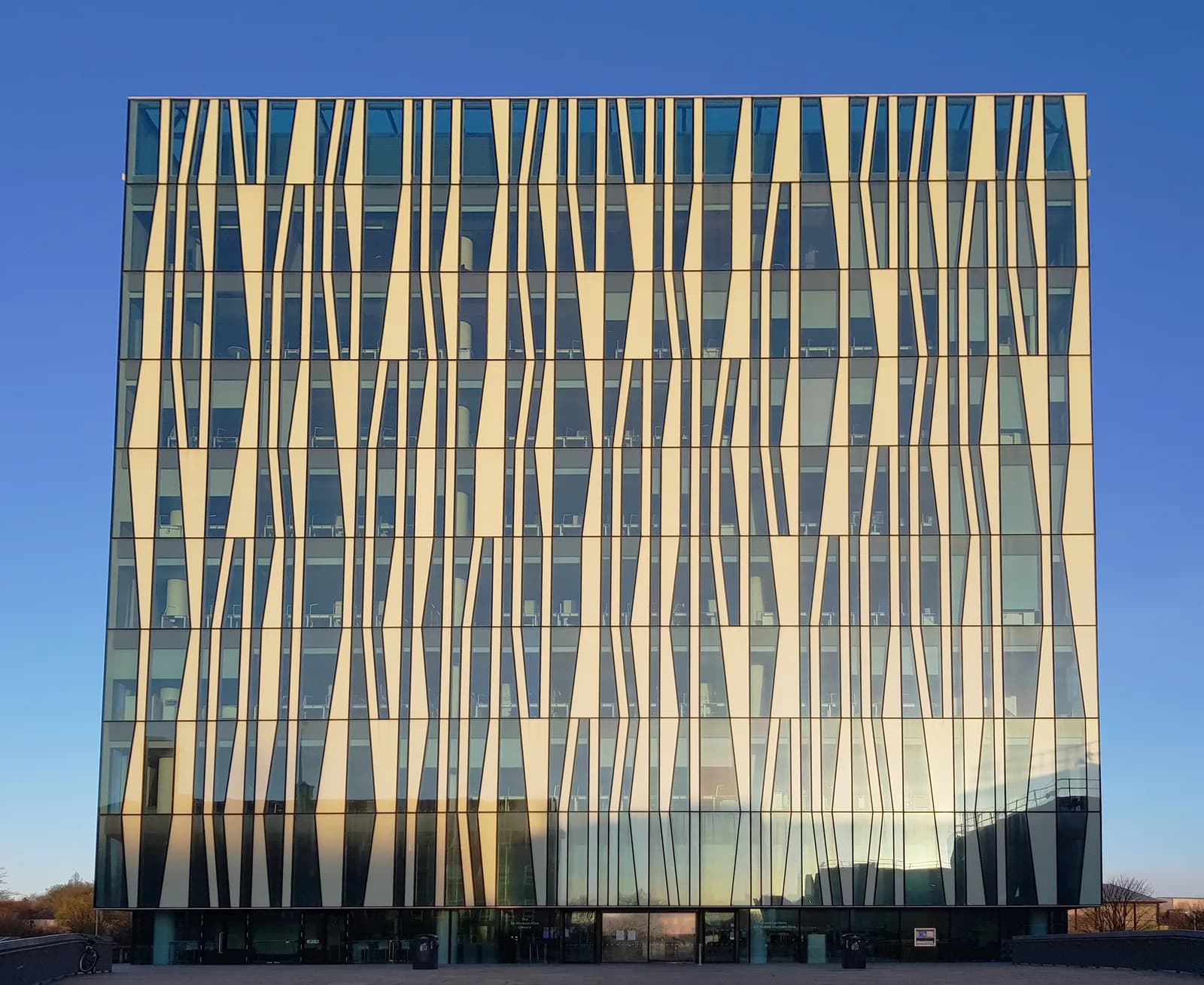
The historic Old Aberdeen campus, including King's College and the Sir Duncan Rice Library, sits in Old Aberdeen; Medicine, Medical Sciences and Nutrition are taught at the separate Foresterhill campus alongside NHS Grampian's hospital site, both within Aberdeen city and reachable by bus.
What language are the programmes taught in?
All programmes in this listing are taught in English. International applicants typically need IELTS 6.0-6.5 overall (band varies by programme), or an approved equivalent test, confirmed on each course's official page.
Can international students apply directly to undergraduate programmes after school-leaving qualifications?
Yes. LLB Law, MBChB Medicine and MA Accountancy and Finance accept direct international applications with A-Level, International Baccalaureate or listed equivalent qualifications; MBChB has additional entrance tests and a very limited number of overseas places (historically around 16/year), so applicants should check current entry requirements closely.
What is the total cost of study, not just tuition?
Add Aberdeen's published accommodation range (£111-£191/week for 40-50 week halls contracts) plus daily living, transport, books, visa and insurance costs to the course tuition fee. MBChB's £50,100/year fee already includes Scotland's mandatory ACT levy for NHS clinical teaching; other international fees are published net of the automatic Aberdeen Global Scholarship where eligible.
How do international students apply?
Undergraduate applicants apply through UCAS using the course's UCAS code (for example M114 for LLB Law, A100 for MBChB Medicine, N400 for Accountancy). Postgraduate taught and research applicants apply through the University of Aberdeen's own online application portal, submitting transcripts, references, a personal statement or research proposal as required.
What English test scores are required?
Requirements vary by programme: Law and Business programmes in this listing typically ask IELTS 6.0-6.5 overall; Medicine sets its own stricter English and academic profile. Each official course page states the exact accepted band and approved equivalents.
How does the Aberdeen Global Scholarship work?
Eligible self-funded international students receive an automatic scholarship applied against the standard international tuition fee: £6,000/year for undergraduate programmes and £8,000 for postgraduate taught master's programmes (2026/27), reducing published rates such as LLB's £20,800 to £14,800/year. Students funded by a government sponsor or agency are typically charged the higher standard rate instead; eligibility and terms should be confirmed on the university's scholarship pages.
Are scholarships or paid work available for international students beyond the Aberdeen Global Scholarship?
University of Aberdeen graduates progressing to a postgraduate taught programme receive a separate alumni discount; research postgraduates may access funded routes such as the ESRC Scottish Graduate School of Social Science Doctoral Training Centre for Accountancy, Economics, Finance, Business Management and Real Estate. General part-time work during study is subject to UK Student visa work-hour limits.
When do courses start and when should applicants apply?
Most taught programmes in this listing start in September; several postgraduate taught programmes (LLM, MSc Accounting and Finance, Advanced Chemical Engineering) also offer a January intake. PhD Law and PhD Engineering admit on a rolling basis subject to supervisor and funding availability. Confirm the live intake date on the specific official course page.
Is there a special visa or pre-arrival certificate requirement?
International students needing a UK Student visa must follow current UK Home Office rules; Aberdeen's International Student Advisers, regulated by the Office of the Immigration Services Commissioner, provide dedicated visa guidance, and a free visa-agent referral service is available in some countries. University admission and visa approval remain separate decisions.
Does the LLB let international students qualify as lawyers outside Scotland?
No. Aberdeen's LLB is accredited by the Law Society of Scotland as a Foundation Programme toward qualifying as a Scottish solicitor; it is an academic qualifying degree, not a licence to practise, and further professional training (such as the Diploma in Professional Legal Practice, then a traineeship) is required in Scotland, while practising in other jurisdictions requires that jurisdiction's own separate qualification route.
Why choose Aberdeen for Engineering over other UK universities?
Aberdeen sits at the centre of Europe's energy industry, with roughly 900 energy companies based in the city; its School of Engineering runs an Industry Advisory Board and direct MSc-project links with firms such as BP, Shell, Baker Hughes and Schlumberger, giving Engineering and Chemical Engineering postgraduates industry exposure not replicated at universities outside a major energy hub.
Applying to University of Aberdeen?
Students Traffic verifies seat availability, checks current recognition status, and prepares your complete application for University of Aberdeen. The consultation is free.