B.E./B.Tech Aerospace at University of Hertfordshire — 12 questions answered
These are the most common questions Indian students and families ask before applying for B.E./B.Tech Aerospace at University of Hertfordshire, Hatfield. Covering admissions, fees, recognition, eligibility, hostel, career outcomes, and the India-return pathway — everything you need before making your decision.
Is the University of Hertfordshire public or private?
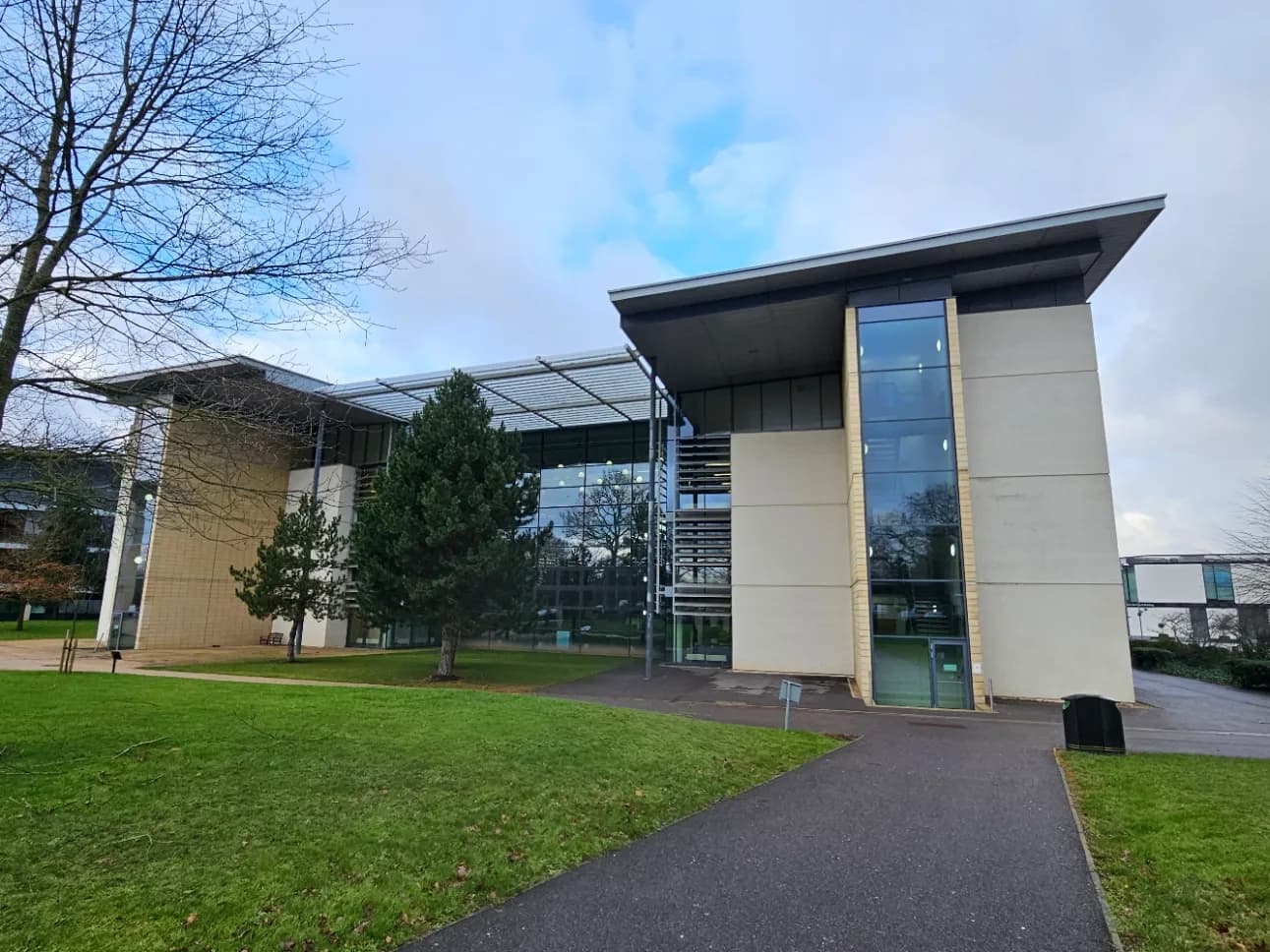
The University of Hertfordshire is a public university in Hatfield, England. It traces its roots to Hatfield Technical College, opened in 1952 on land donated by the de Havilland Aircraft Company, became Hatfield Polytechnic in 1969 and gained university status in 1992.
What language are programmes taught in?
All programmes referenced here are taught in English. Standard English-language requirements are IELTS 6.0 overall (no band below 5.5) for undergraduate entry and IELTS 6.5 (no band below 5.5) for postgraduate entry, though some courses set higher or additional thresholds - always check the specific course page.
Can I get direct admission straight after Class 12 or A-levels, or is a bridge year required?
Most undergraduate degrees admit international students directly from an accepted secondary qualification equivalent (e.g. A-levels, IB, or an accepted Class 12 result with the required grades), without a mandatory foundation year, provided subject and English-language requirements are met. Applicants below the standard entry profile can apply via a foundation or Extended Degree route where offered.
What does a Herts degree actually cost in total, including living costs?
For 2025/26 entry, Standard undergraduate tuition is a flat GBP15,965/year regardless of school, Standard postgraduate (1-year) tuition is GBP17,250/year, and Non-standard postgraduate programmes in the School of Physics, Engineering & Computer Science or School of Life & Medical Sciences are GBP19,800/year; the Hertfordshire MBA sits on its own separate premium schedule. On top of tuition, budget separately for a GBP5,000 minimum visa deposit, halls (roughly GBP134-220+/week depending on room type) and everyday living costs, using the university's own cost-of-living guidance.
How do I apply?
Full-time undergraduate applicants apply through UCAS. Postgraduate taught and research applicants, and most international undergraduate applicants outside UCAS deadlines, apply directly to the University of Hertfordshire through its own online international application system.
What English-language test scores are accepted?
Herts accepts UKVI-approved Secure English Language Tests, Academic IELTS, PTE, TOEFL, Cambridge English and Trinity College London English, with IELTS 6.0 (undergraduate) or 6.5 (postgraduate) as standard minimums, no band below 5.5. Test results must remain valid (within 2 years) up to the date a CAS is issued.
Are there programme-specific admission requirements, like a portfolio or interview?
Yes. Creative Arts courses such as 3D Games Art & Design, MA Games Art and Design and Film and Television Production typically require a portfolio or creative submission; MPharm applicants are assessed against Chemistry and Biology entry profiles and pharmacy-specific criteria; Law degrees do not require an admissions test but do require the standard academic and English-language profile.
Are sandwich or placement years free, and do they help with costs?
Yes - Herts does not charge tuition fees during an approved sandwich placement or study-abroad year taken between years 2 and 3 on eligible courses (including Aerospace Engineering, Automotive Engineering and Business Management), though students must still budget for accommodation and living costs during the placement, and placement offers from named employers are competitive rather than guaranteed.
When do intakes start and when should I apply?
Most full-time undergraduate courses start in September. A number of postgraduate taught courses, particularly in the Business School, also offer a January start. Postgraduate research (PhD/MPhil) admission runs on a rolling, year-round basis. International applicants should apply well ahead of the visa and CAS-deposit process described on the university's international pages.
What deposit or visa-related payment is required before I can enrol?
Students who need University sponsorship for a Student visa must pay a minimum GBP5,000 deposit before a CAS is issued; this is offset against first-year tuition. From 2025/26-entry cohorts onward, 50% of tuition is also payable before registration each year. A full refund applies if a visa is refused or academic/financial offer conditions are not met.
What does UK professional accreditation mean for my home-country recognition?
Accreditations such as RAeS (Aerospace Engineering), GPhC (MPharm), BCS (Computer Science) and the Law Society/SQE-aligned LLB confirm the degree meets specific UK professional academic requirements, but they do not automatically confer a licence to practise outside the UK or, for GPhC/legal routes, even inside the UK without further registration steps (e.g. the GPhC Foundation year, or SQE/Bar training). International students should check their home-country regulator's own recognition rules separately.
How does Herts compare with other London-region universities?
Herts sits about 20 minutes by train from London King's Cross, giving London-adjacent access to internships, industry contacts and Elstree Studios film-industry work, while keeping tuition and typical living costs below many inner-London universities. Its distinguishing strengths versus other London-region options are its RAeS-accredited Aerospace/Automotive Engineering programmes and Bayfordbury Observatory, both uncommon among London-area universities.
Applying to University of Hertfordshire?
Students Traffic verifies seat availability, checks current recognition status, and prepares your complete application for University of Hertfordshire. The consultation is free.