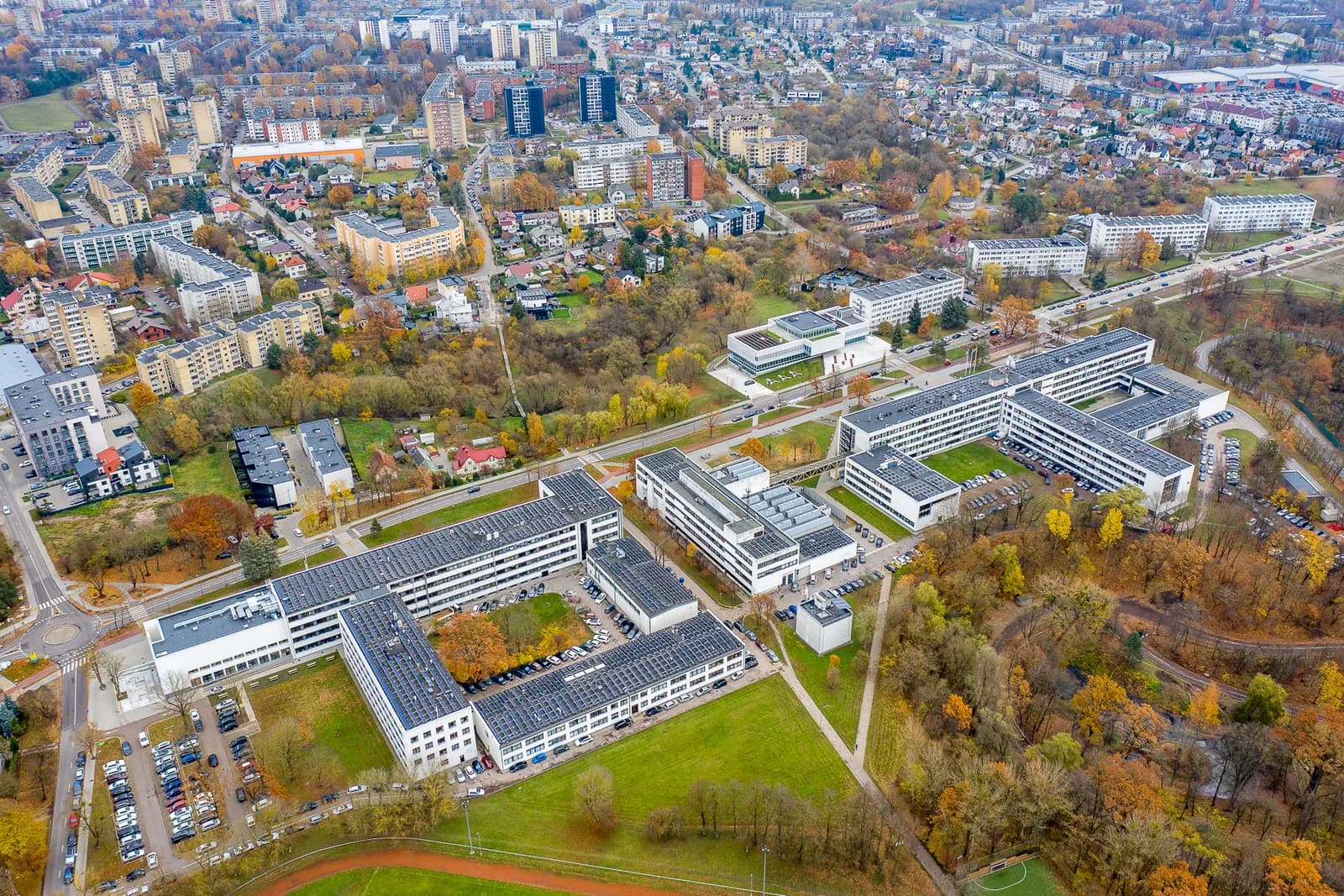
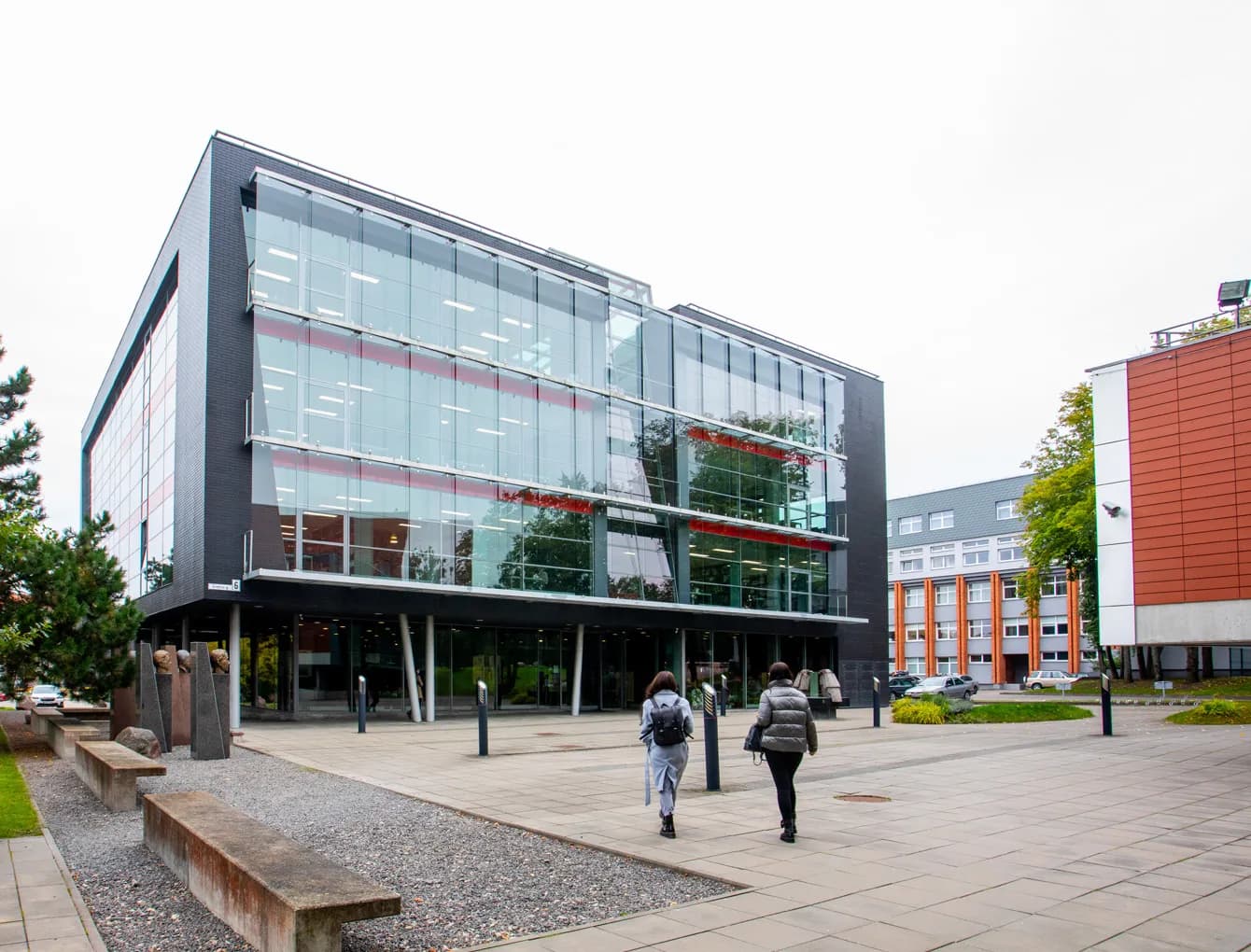
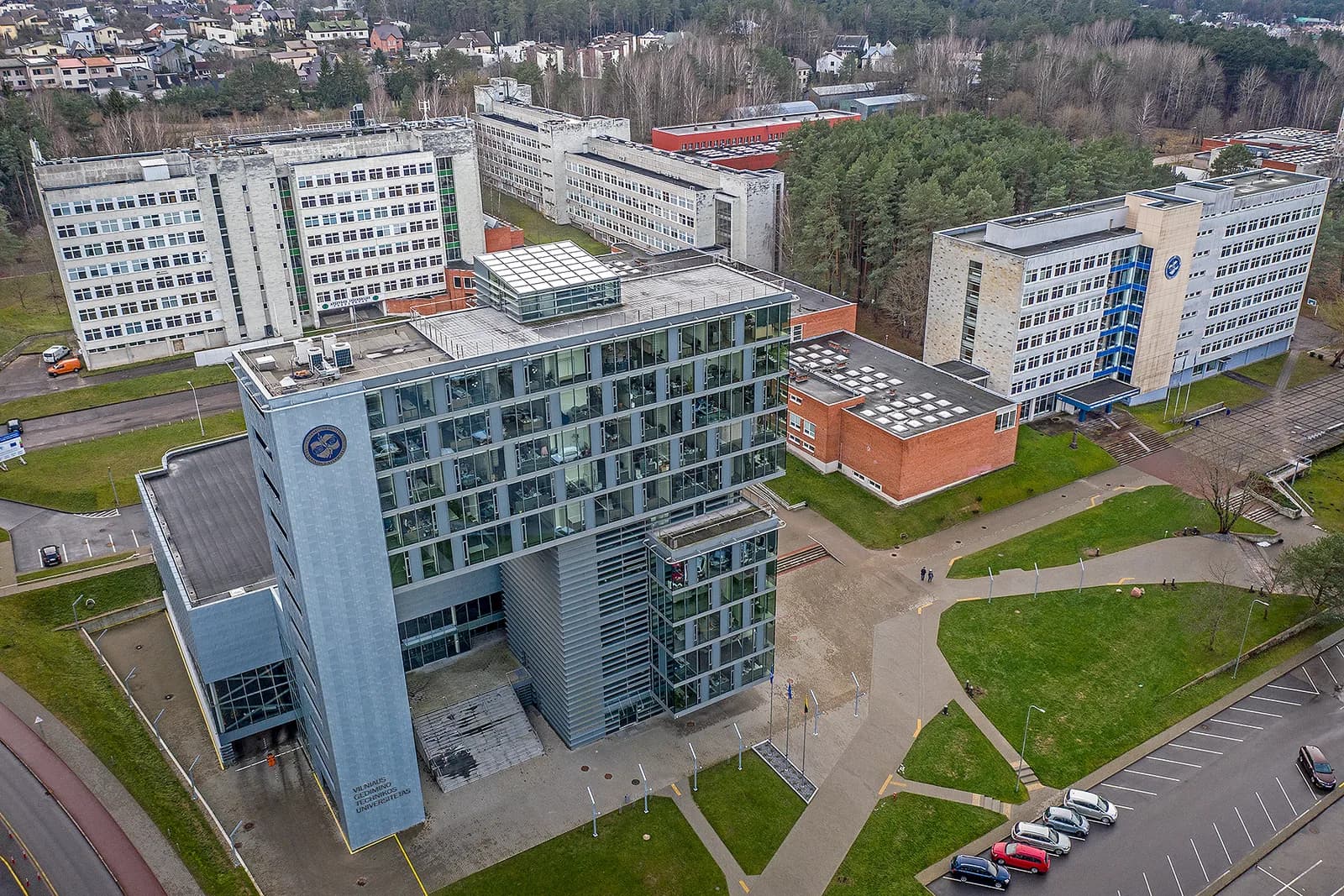
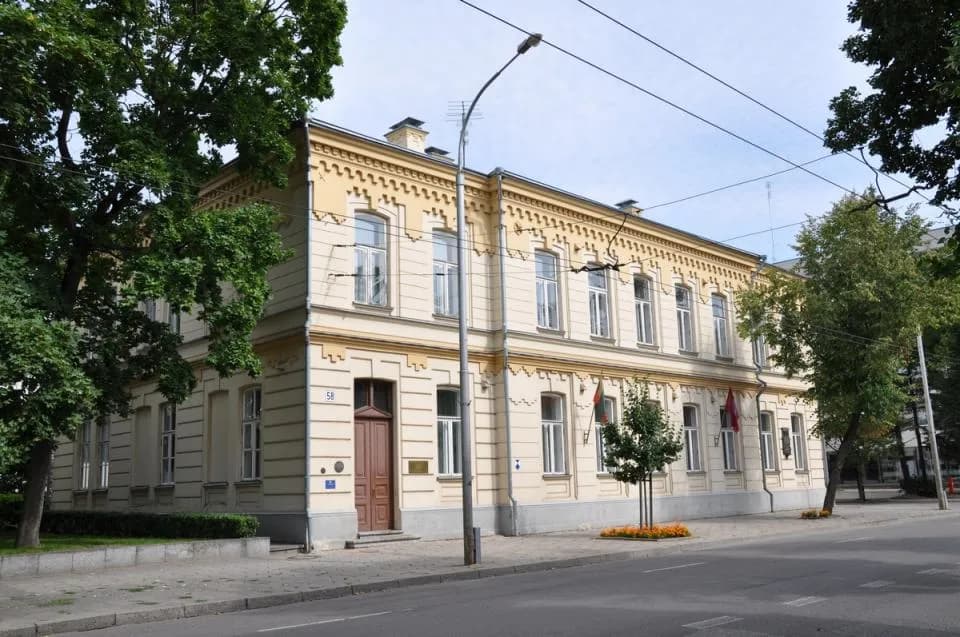
Šiauliai State University of Applied Sciences (Šiaulių valstybinė kolegija, ŠVK) is a public Lithuanian higher education institution in Šiauliai, established in 2002 when the Lithuanian Ministry of Education and Science merged the city's Higher School of Medicine and Higher Technical School into a single college.


$3,685
42 months
English
September
Šiauliai, Lithuania
Public
Šiauliai State University of Applied Sciences (Šiaulių valstybinė kolegija, ŠVK) is a public Lithuanian higher education institution in Šiauliai, established in 2002 when the Lithuanian Ministry of Education and Science merged the city's Higher School of Medicine and Higher Technical School into a single college. For Indian and other international students, its main health-related offering is General Practice Nursing, a 3.5-year, 210-ECTS Professional Bachelor of Health Sciences programme delivered in Lithuanian and English, with English confirmed as the medium of instruction on the official international-admission fee table. The officially published 2026/2027 annual tuition for international students is EUR 3,400. ŠVK also runs Lithuanian-only Odontological Care (dental-assistant) and Cosmetology programmes, which are not published here since they are not offered in English and are not dentist-level qualifications. This profile draws on the official ŠVK website and the independent, government-backed Study in Lithuania portal; Indian applicants should independently confirm current Indian Nursing Council (INC) equivalence requirements and any professional-registration steps before enrolling.
ŠVK is a practice-oriented public institution built around two faculties - Business and Technologies, and Health Care - with more than 20 professionally focused study programmes across informatics, engineering, business, social sciences and health sciences, according to the university's own materials. The institution describes its environment as modern and democratic, with close cooperation between staff, students, and more than 300 social-partner organisations (employers who help shape curricula, supervise internships, and assess final theses). Official facts-and-figures data shows roughly 1,747 students (as of December 2024), about 60% studying on state-funded places, and student clubs and activities including student representation and sports teams (basketball, volleyball, football). The university is a founding member of the NEOLAiA European University Alliance and holds the Erasmus+ Charter for Higher Education (2021-2027), giving nursing students access to structured European exchange and mobility opportunities. As with any institution, exact club activity and class sizes vary by year, so applicants should confirm current details with the Faculty of Health Care before enrolling.
ŠVK is a practice-oriented public institution built around two faculties - Business and Technologies, and Health Care - with more than 20 professionally focused study programmes across informatics, engineering, business, social sciences and health sciences, according to the university's own materials. The institution describes its environment as modern and democratic, with close cooperation between staff, students, and more than 300 social-partner organisations (employers who help shape curricula, supervise internships, and assess final theses). Official facts-and-figures data shows roughly 1,747 students (as of December 2024), about 60% studying on state-funded places, and student clubs and activities including student representation and sports teams (basketball, volleyball, football). The university is a founding member of the NEOLAiA European University Alliance and holds the Erasmus+ Charter for Higher Education (2021-2027), giving nursing students access to structured European exchange and mobility opportunities. As with any institution, exact club activity and class sizes vary by year, so applicants should confirm current details with the Faculty of Health Care before enrolling.
ŠVK officially states that all its students are offered dormitory accommodation, run directly by the university at two locations (M. K. Čiurlionio str. 18 and 20). Rooms are double or triple occupancy, with kitchens and showers shared per floor, a free laundry room, gym access, table tennis and billiards, and a parking area outside the buildings; the university states 24/7 video surveillance and access control for resident security. The officially published price range is EUR 55-130 per person per month, and the university notes that students in financial difficulty can have dormitory fees deferred or paid in installments. Bus route 12 connects the dormitories to the city centre (get off at the 'Darbininkų' stop), and residents must follow standard dormitory rules (quiet hours 11pm-7am, visitor curfew, no alcohol/drugs, no unauthorised room changes). Since availability and exact room allocation can vary by intake year, applicants should confirm current dormitory availability and costs directly with the Admission Office before arrival.
ŠVK's official materials do not describe a dedicated Indian mess, dining hall, or Indian-specific student society on campus; the university's own published information focuses on general dormitory kitchen facilities (shared per floor, allowing self-catering) rather than any specific cuisine. Šiauliai is a mid-sized Lithuanian city rather than a large international metropolis, and public sources describe it as having a modest international/expat presence compared to Vilnius or Kaunas. Students who need consistent access to Indian, vegetarian or halal groceries and restaurants should independently research current options in Šiauliai (for example via local supermarkets and any South Asian community groups) and confirm with current international students or the ŠVK international relations office before committing to enrol, since food-access options in a smaller city can be more limited than in Lithuania's larger cities.
Šiauliai is described by the government-backed Study in Lithuania portal as offering 'a safe, welcoming, and affordable environment for students,' and ŠVK's own dormitory pages state that its two residence buildings operate 24/7 video surveillance and access control for resident security. As a smaller Lithuanian city, Šiauliai generally has a slower pace of life and lower crime profile than large European capitals, though - as in any city - students should still take standard precautions (staying in well-lit, populated areas at night, not walking alone late, keeping valuables secure). Students should register their residence with local authorities as required, keep visa and health-insurance documents current, and review their home country's latest travel and safety guidance for Lithuania before departure. Specific neighbourhood safety around the dormitories and any off-campus housing should be confirmed with current students or the international relations office before arrival.
Admissions support
Get focused help with your application, documents and visa process. We will turn the information on this page into a practical next-step plan.
Talk to a student
These students studied here and can answer your real questions about academics, hostel life, and daily experience.
No student contacts listed yet for this university.
Request a student conversation
Share your details and we'll match you with a registered student who can answer your questions directly.
There is no entrance exam beyond the required Higher Secondary Education qualification, and the university's Admission Office (Aušros ave. Once enrolled, students have access to the Erasmus+ mobility programme, the NEOLAiA European University Alliance network, career-consultation services, and financial/psychological support services, per the official Student's Guide pages. Prospective Indian students should use these official channels directly for all admissions, fee, and academic-recognition questions, and independently verify any promises made by third-party education agents against the university's own website and Admission Office before paying any fees.
No reviews yet.
Be the first to share your experience at Šiauliai State University of Applied Sciences (Šiaulių valstybinė kolegija).
Mediterranean University of Albania (MUA) offers a 3-year, 180 ECTS BSc Nursing program at €3,500 per year — entirely in English, with free German A1–B2 training embedded across the three years. For Indian students who want a European nursing career in Germany, Italy, or Austria, this program offers one of the most direct and cost-effective pathways available outside of Western Europe. This guide covers everything: accreditation, curriculum, clinical training, costs, career pathways, and the one critical fact most promotional material leaves out.
Mediterranean University of Albania charges €3,500 per year for BSc Nursing — with no application fee, no IELTS costs, and German and Italian language training included in the program. Tuition is only part of the budget. This page breaks down the complete 3-year cost: tuition, Tirana living expenses, insurance, visa fees, and how the total compares to other nursing abroad destinations.
Trent University's Bachelor of Science in Nursing is a CASN-accredited, 4-year program in Peterborough, Ontario that leads directly to CNO Registered Nurse registration, a 3-year Post-Graduation Work Permit, and a documented pathway to Canadian permanent residency through Express Entry healthcare draws. For Indian students serious about a nursing career in Canada, studying the BScN in Canada — rather than studying in India and migrating later as an internationally educated nurse — removes years of uncertainty and dramatically improves the odds of becoming a practising, permanent-resident RN.
Studying nursing in Canada is a major financial investment. Trent University's BScN runs approximately CAD 28,000–34,000 per year in tuition, with a total 4-year all-in cost — tuition, living, insurance, GIC, and study permit — of approximately CAD 210,000–235,000 (roughly ₹1.3–1.6 crore). This page breaks down every cost in detail so Indian families can plan accurately, understand what the GIC is and how it works, and weigh the investment against the outcome: an Ontario RN earning CAD 103,000 per year with a direct PR pathway.
Nursing is one of the strongest occupations in Canada's immigration system in 2026. Express Entry healthcare draws are running at CRS scores of 462–476 — well below the general pool cutoff — and a 4-year BScN earns a 3-year open Post-Graduation Work Permit. This guide explains the complete pathway from BScN graduation to CNO registration, NCLEX-RN, the PGWP, permanent residency through Express Entry or PNP, and the salary reality for Indian nurses building a career in Canada.
Germany employs over 306,700 foreign nursing staff and projects a shortage of hundreds of thousands more by 2030. For Indian graduates of EU-standard BSc Nursing programs, the pathway to German nursing registration — the Berufsanerkennung process — is structured, documented, and increasingly well-supported. This guide explains every step from graduation to a German hospital ward, the German B2 language requirement, the salary reality, and how Students Traffic prepares the complete recognition package.