The University of Stuttgart is a public research university in Stuttgart, Germany, founded in 1829. Its engineering portfolio includes German-taught bachelor’s degrees in aerospace, automotive, computer science, electrical engineering, mechanical engineering and mechatronics across its City Center and Vaihingen…
Stuttgart, Germany
Public
1829
Bachelor's
German
The University of Stuttgart is a public research university in Stuttgart, Germany, founded in 1829. Its engineering portfolio includes German-taught bachelor’s degrees in aerospace, automotive, computer science, electrical engineering, mechanical engineering and mechatronics across its City Center and Vaihingen campuses.
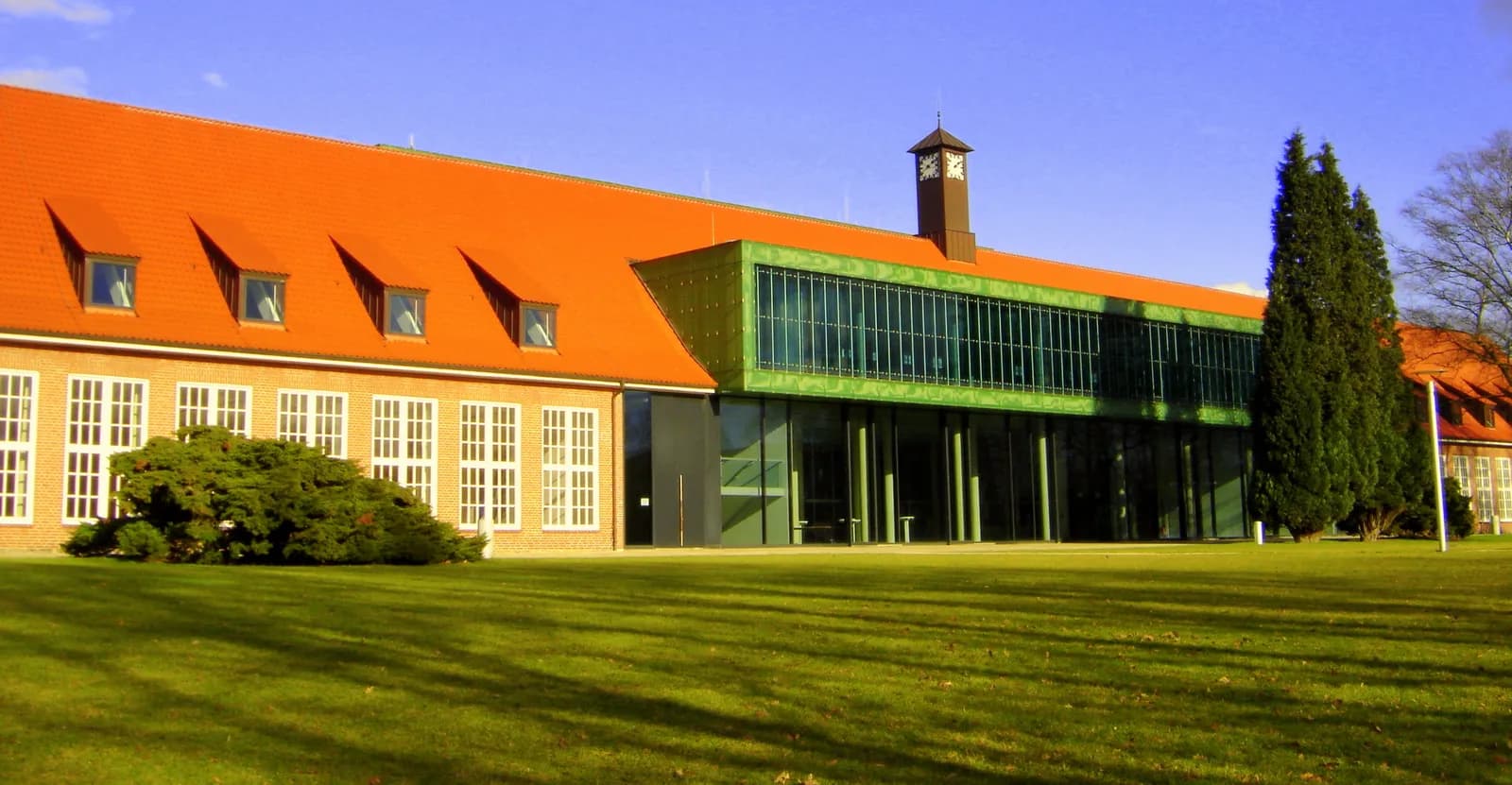
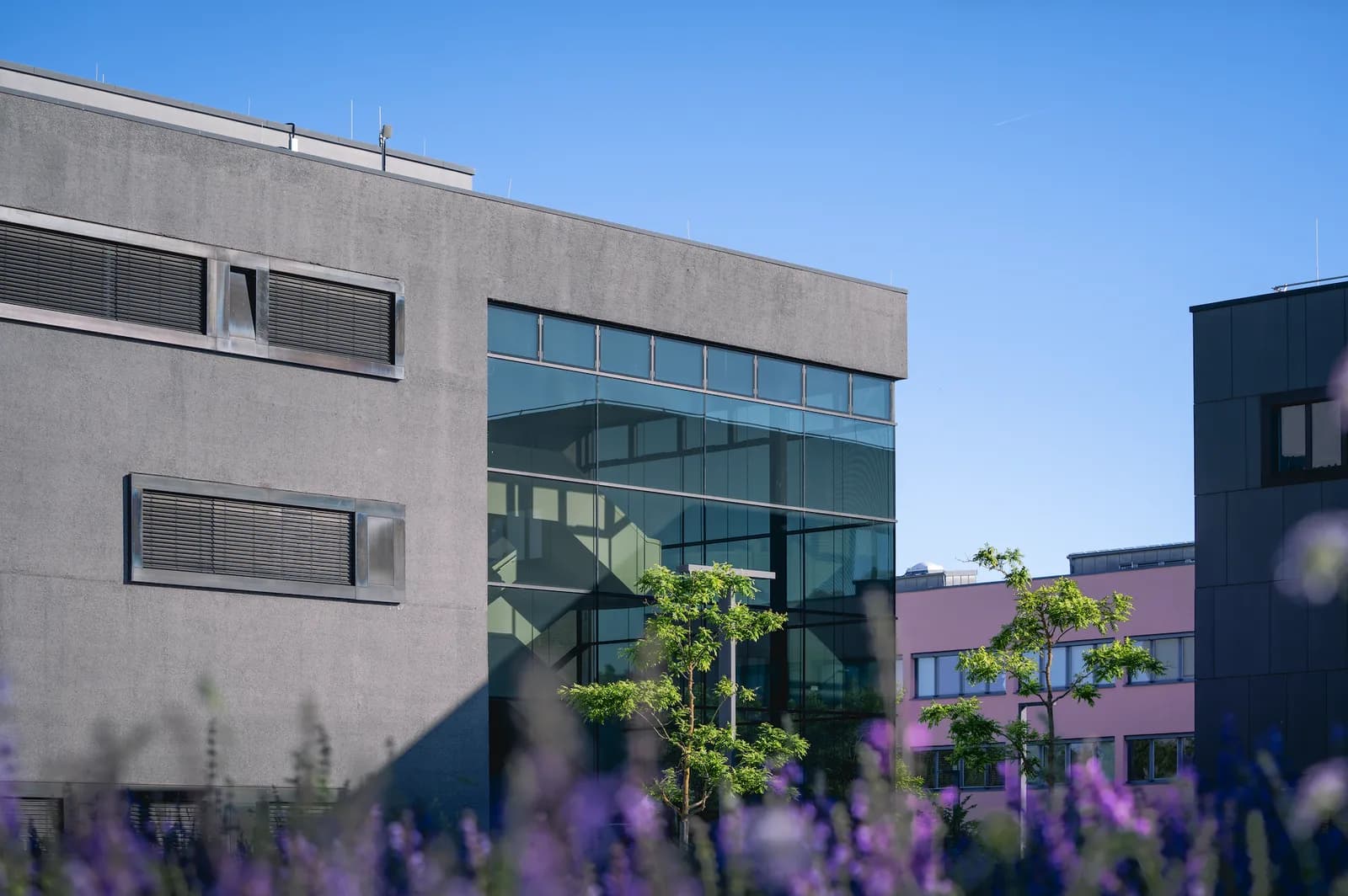
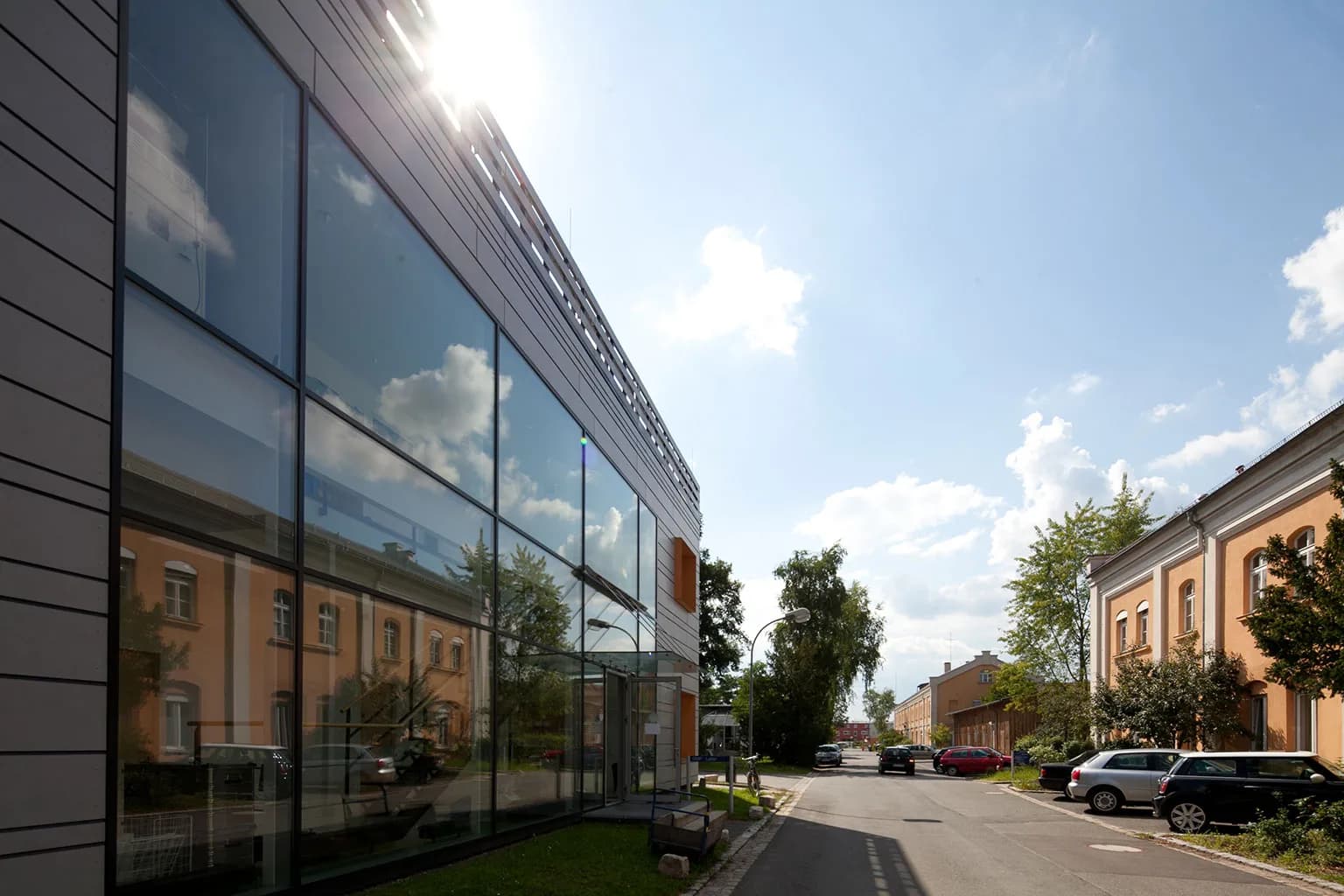
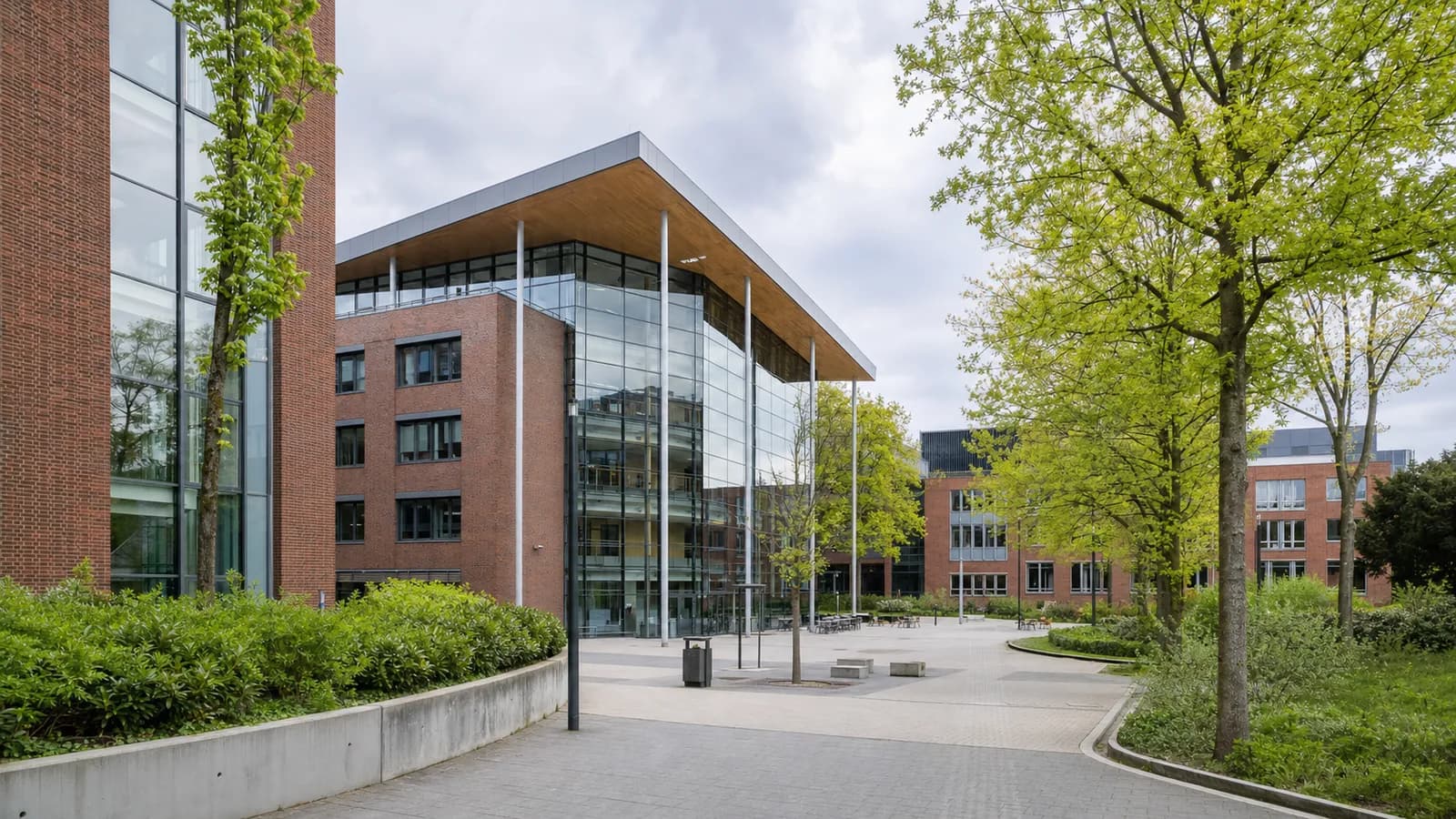
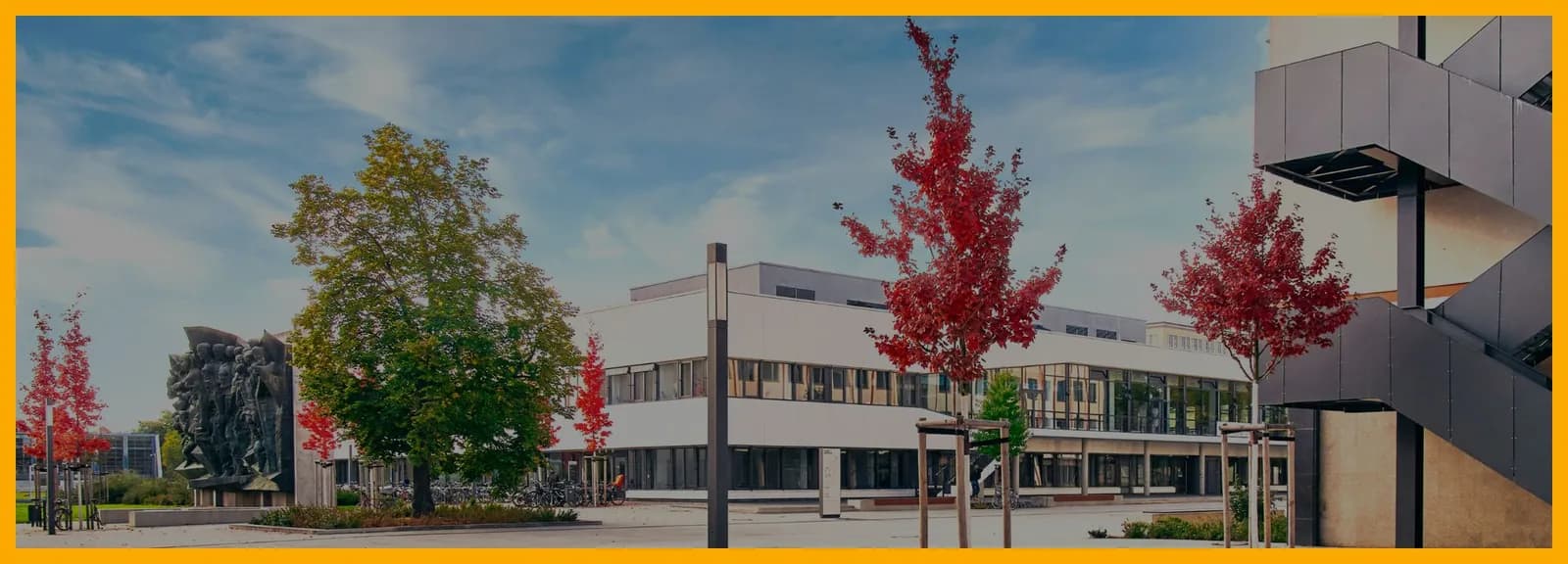
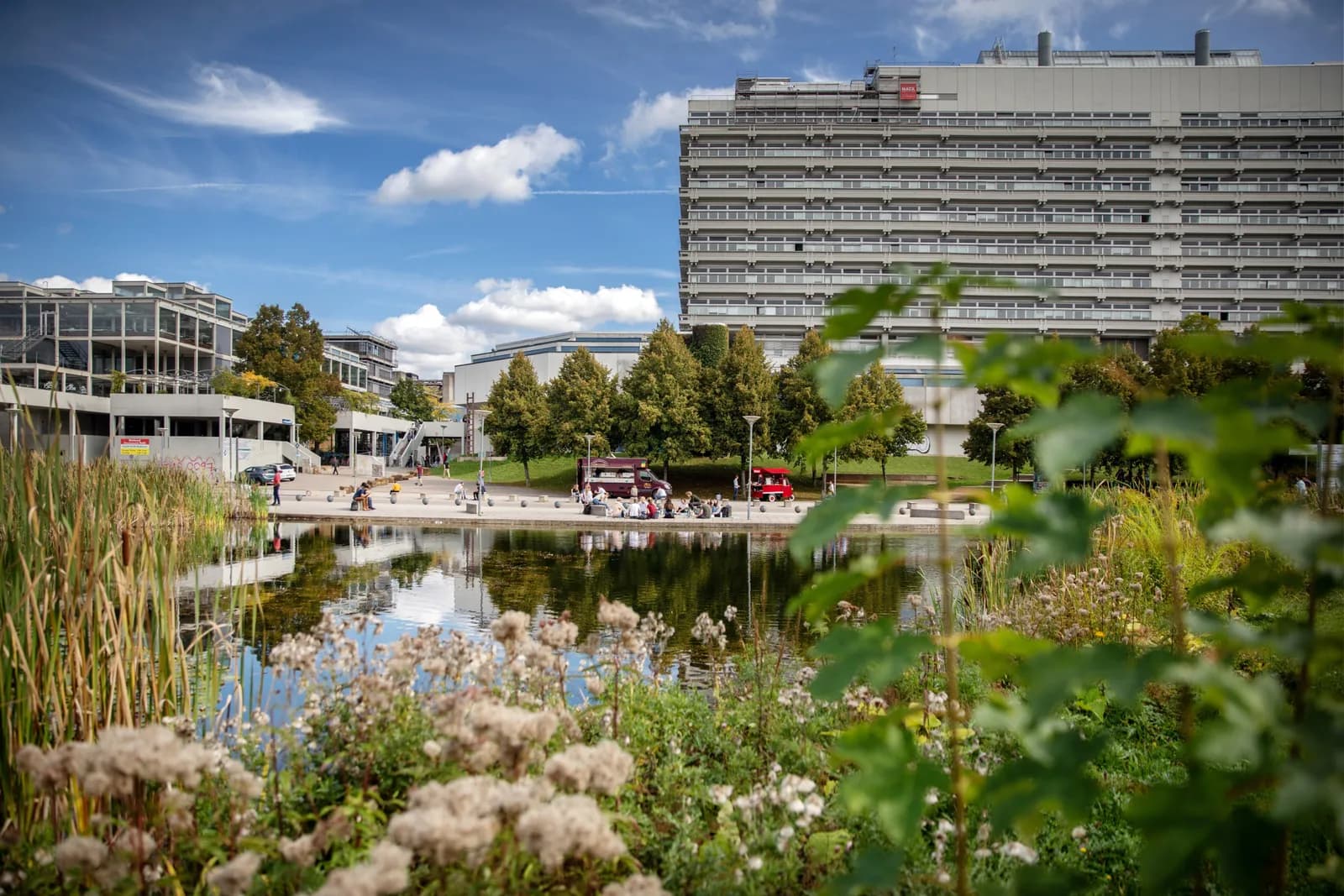
The University of Stuttgart operates across City Center and Vaihingen campuses. Its official campus profile highlights learning spaces, laboratories, libraries, dining halls, student clubs, university sports, workshops, Startup Café and Campus Beach. The university reports nearly 26,000 students enrolled across around 150 institutes and ten faculties, giving engineering students access to a broad research environment.
Aerospace Engineering
DetailsAutomotive Engineering
DetailsComputer Science
DetailsElectrical Engineering and Information Technology
DetailsMechanical Engineering
DetailsMechatronics
DetailsThe University of Stuttgart operates across City Center and Vaihingen campuses. Its official campus profile highlights learning spaces, laboratories, libraries, dining halls, student clubs, university sports, workshops, Startup Café and Campus Beach. The university reports nearly 26,000 students enrolled across around 150 institutes and ten faculties, giving engineering students access to a broad research environment.
The university directs students to housing information and the Studierendenwerk Stuttgart. Its international-finance guidance gives a shared-flat room estimate of about EUR 350–600 per month, plus utilities, and identifies public transport, health insurance and broadcasting charges as additional budget items. Housing availability is not guaranteed, so applicants should start with the university and Studierendenwerk housing channels and confirm current rent, deposit and contract conditions.
The university’s campus information lists dining halls and cafeterias on its campuses, while its arrival guidance points students toward everyday-life and housing support in Stuttgart. The public sources reviewed do not establish a programme-specific dietary service or guaranteed cuisine option. Students with dietary, religious or medical requirements should check current cafeteria menus and nearby grocery options before enrollment.
The University of Stuttgart provides international-student guidance, a Student Counseling Center and an International Office for questions about applications, arrival and study formalities. Its campus pages identify accessibility, student services, dining and transport information. Students should use the university’s current emergency, health-insurance, registration and housing guidance after admission; the catalogue does not make a general safety guarantee.
The International Office and Student Counseling Center provide application and arrival guidance; official programme pages also mention buddy or mentoring support, German-learning guidance and MINT Kolleg Baden-Württemberg preparation for STEM students. Applicants should verify current document, language and deadline instructions for the selected programme.
Admissions support
Get focused help with your application, documents and visa process. We will turn the information on this page into a practical next-step plan.
Talk to a student
These students studied here and can answer your real questions about academics, hostel life, and daily experience.
No student contacts listed yet for this university.
Request a student conversation
Share your details and we'll match you with a registered student who can answer your questions directly.
No reviews yet.
Be the first to share your experience at University of Stuttgart.
Other universities in Germany
Ausbildung is Germany's government-regulated dual vocational training system. You sign a legal employment contract with a German company from Day 1, earn EUR 724–1,503 per month during your training, pay zero tuition at public vocational schools, and qualify for a defined permanent residency pathway once employed. This guide covers everything Indian students and parents need to know — from sectors and eligibility to visa, costs, career prospects, and PR.
Germany employs over 306,700 foreign nursing staff and projects a shortage of hundreds of thousands more by 2030. For Indian graduates of EU-standard BSc Nursing programs, the pathway to German nursing registration — the Berufsanerkennung process — is structured, documented, and increasingly well-supported. This guide explains every step from graduation to a German hospital ward, the German B2 language requirement, the salary reality, and how Students Traffic prepares the complete recognition package.
Understand the real scholarship options, total cost, and admission path for Indian students planning to study in Germany.